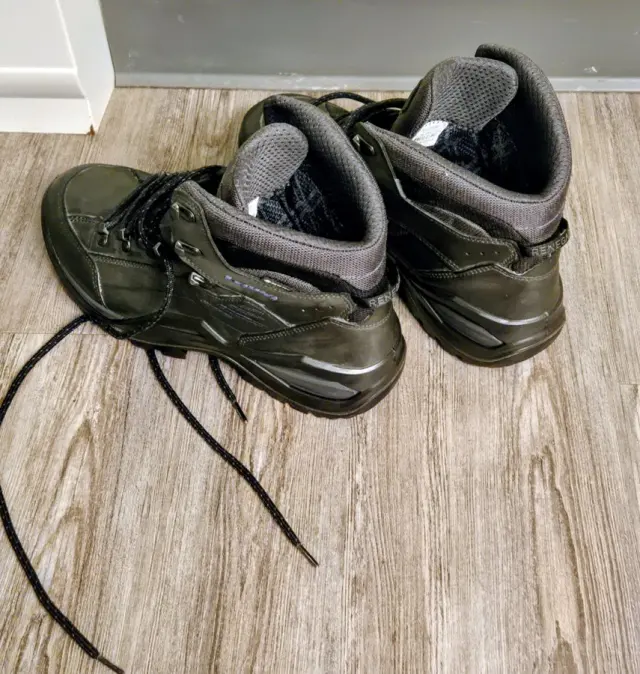
A long-distance hiker walking France's Hexatrek has found one of the best value sleeps imaginable: a campground on the grounds of Château de Castelnau in the country's south, costing just €6 a night. Writing on day 51 and 52 of a two-month-plus trek, the blogger describes pitching a tent beside the castle, then resting there a full day as rain hammered down.
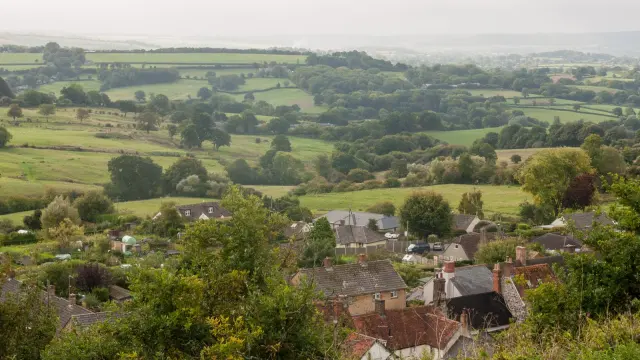
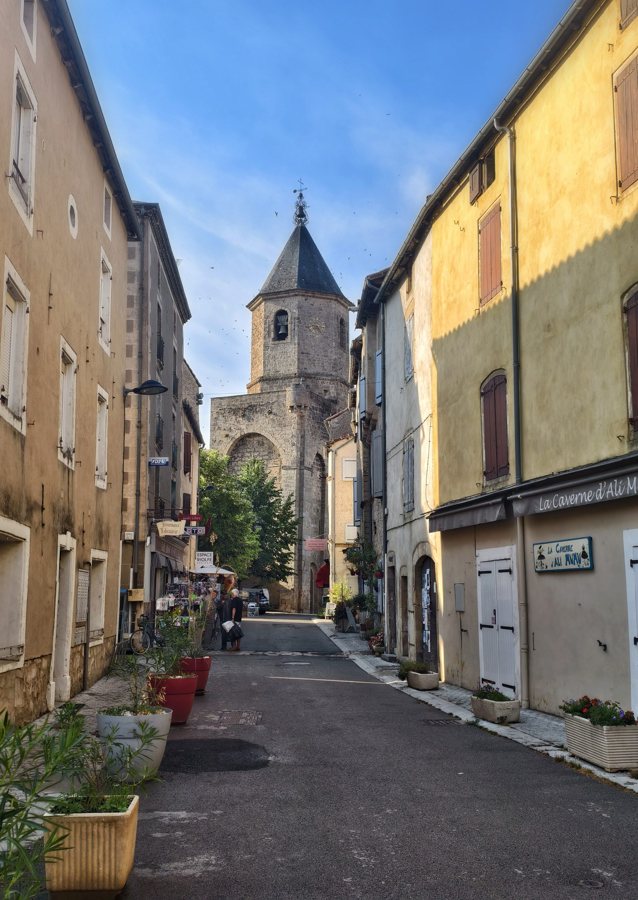
The Hexatrek is a young, little-marked long-distance route stitched together from existing trails. This stretch followed the GR71d through quiet farmland before arriving at Nant, a riverside town the writer ranks as the prettiest of the whole trip, complete with small canals threading water through the streets. For anyone drawn to hiking that skips the crowds of the Alps or Pyrenean classics, this is exactly the appeal: near-empty paths, working farmland, and villages where nothing is staged for tourists.
Nant delivered two moments worth stealing for any French walking holiday. First, its bakery draws queues from across the region — in a country where bread is serious business, that says something. The hiker grabbed an enormous flute to pair with a free, head-sized tomato handed over by a local farmer, his first taste of "trail magic" in 51 days. Second, the tourist office staff phoned ahead to confirm the castle campground was open, since it sits about 3km off the main route along a road.
The camping itself is the story's heart. The château's owners run a small campground on the castle grounds, greeted their guest with freshly picked fruit, and charged all of €6. The hiker spent the afternoon in a hammock under the walls, eating chorizo, cheese and tomato on that giant flute, washing clothes and reading. The next day, as forecast rain fell steadily, they gorged on blackberries found along the roadside walk back toward the trail.
Why should a non-thru-hiker care? Because the pieces of this trip are all usable separately. Nant sits in the Aveyron department of southern France, a region of gorges and stone villages that hikers rate among the country's most beautiful, yet it rarely appears on mainstream itineraries. The GR71 and neighbouring Grande Randonnée paths can be sampled as two- or three-day inn-to-inn walks. And the €6 castle pitch is a reminder that rural France — especially in Aveyron and the Cévennes edge — remains one of Europe's cheapest places to camp well, particularly if you're comfortable on municipal or farm campgrounds rather than resort-style sites.
It's also a story about pace. Days here ranged from brutal traverses to an almost zero-kilometre rest day, fuelled by couscous, peanut butter and luck. That rhythm — big effort, then a slow day in a beautiful town — is a template any slow traveller can copy with a car and a guidebook, no 51 days required.
The trail itself is still so new that its waymarks barely register; the writer recalls seeing fewer than a dozen in three sections. That rawness cuts both ways: solitude and charm, but limited infrastructure, so campgrounds like Castelnau's and helpful tourist offices matter enormously. Bring offline maps, cash for small campsites, and an appetite for bakery queues.