A long-distance hiker's account of a thru-hike on Wisconsin's Ice Age Trail has turned into a useful reality check for anyone eyeing the route. Unlike most American long trails, the IAT doesn't let you simply walk your miles and pitch a tent wherever dusk catches you. Camping is restricted on many segments, so hikers end up stitching together a mixed bag of lodgings.
One hiker's tally over the route is telling: eleven hotels, eighteen dispersed camping areas, nine primitive campsites, five developed campgrounds, four trailheads, a county park that required a phone call for permission, and one boat-ramp parking lot — the fallback after a bear eviction. Several stops were, in their words, dubious in varying degrees.
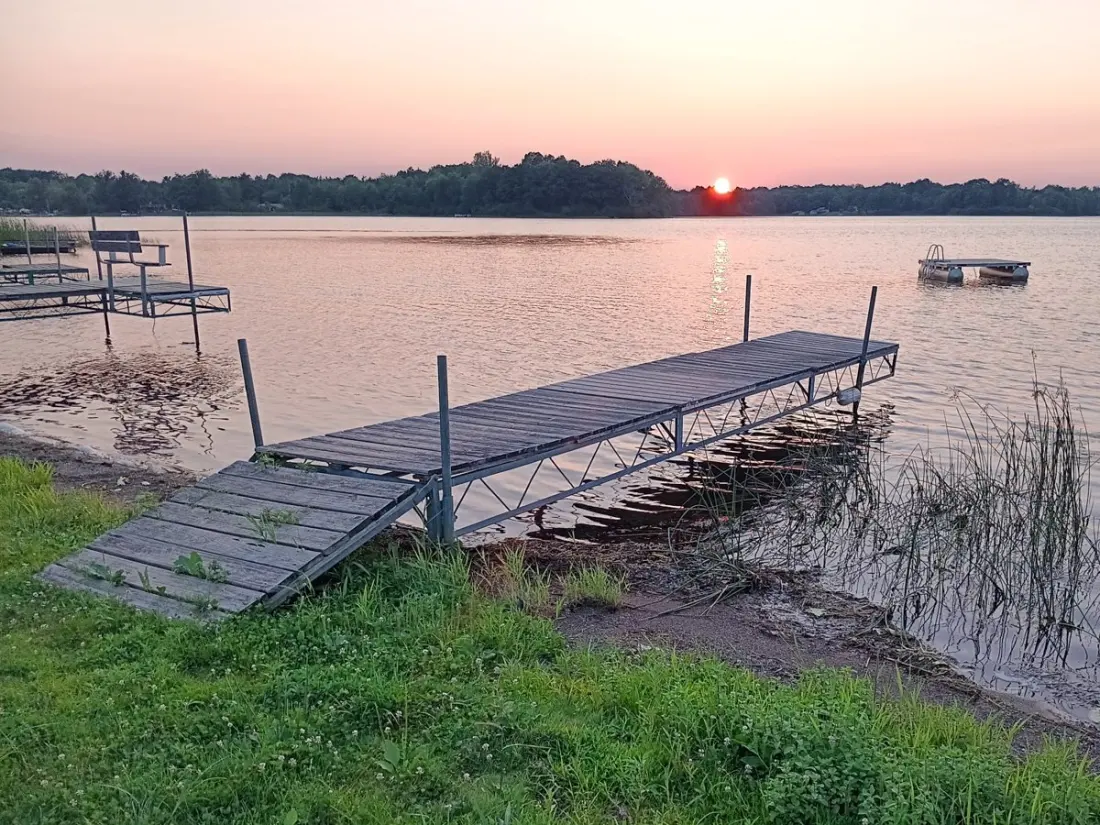
The trail itself threads through small Wisconsin towns that make the logistics work. Near Haugen, Shady Rest Campground offers showers, cold drinks and air-conditioned cabins (though the office closes on Mondays, so a friendly owner and a local cafe like Lona's Corner Cafe save the day). Former rail corridors like the Wild Rivers and Tuscobia State Trails provide wide, flat walking — horse-and-buggy traffic included. County and state parks along the route are a thru-hiker's gift: water, picnic pavilions, electrical outlets, toilets and trash cans, plus locals happy to leave a trail-magic beer at a bar.
The headline encounter came near Otter Lake. The hiker's dispersed campsite was visited at 4:30 in the afternoon by a black bear sow and two cubs. After a loud standoff — a cub decided the tree ten yards from the tent was climbable — the hiker secured food in a bear canister and retreated. Mom spent half an hour coaxing the cubs down without success, and the hiker broke camp in fifteen minutes flat, sleeping at the boat ramp instead.
The takeaway for would-be IAT hikers: this is a food-conditioned bear problem, not just wildlife bad luck, so carry a canister and don't assume daylight means safety. Also worth knowing — some sections force awkward choices between long road walks and short trail days, so flexibility beats rigid mile plans. Day-hikers, runners and tiny-town hospitality (the mayor of Cornell pulled over for a chat) are part of the charm.
For travellers who like their holidays on foot, the Ice Age Trail offers a quieter alternative to the big-name routes: glacier-carved terrain, lake-dotted farmland and a trail community that includes people hiking it one weekend piece at a time.