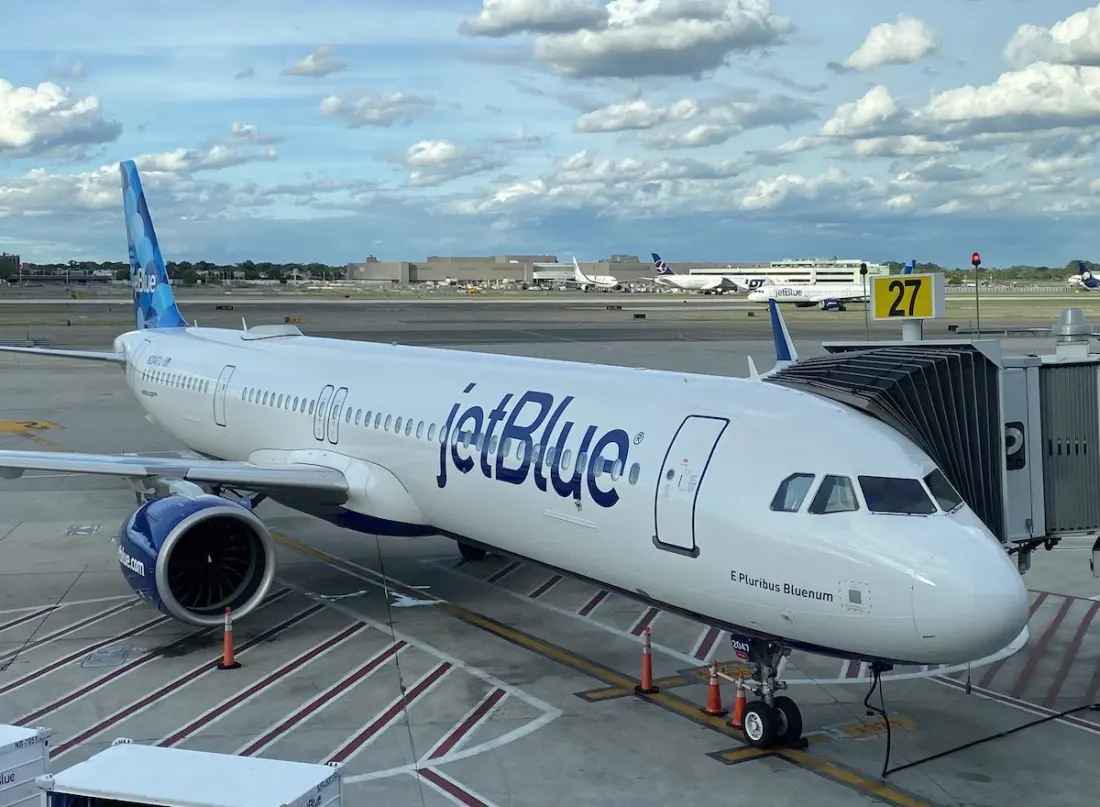
JetBlue has become the first US airline to raise checked bag fees for the second time this year, with the new pricing applying to tickets bought from November 3, 2026. If the pattern holds, expect other carriers to follow suit within weeks — JetBlue has led this particular race before, and rivals tend to match.
The numbers are eye-watering by historical standards. A first checked bag on a domestic flight now runs $50-60 off-peak, rising to $55-70 during peak travel dates. JetBlue's structure rewards planning: paying at least 24 hours in advance gets you the lower end of each range, while last-minute payments cost more. And remember, these are one-way figures — a round trip could mean $100-140 in bag fees for a single traveller, or up to $560 for a family of four all checking suitcases.
Why the squeeze? JetBlue hasn't posted a profit since before the pandemic and is targeting an operating profit in 2027 — a goal many observers consider ambitious. With jet fuel prices elevated, airlines have found fare hikes alone don't cover the gap, so ancillary fees are doing heavy lifting. Checked bags are an obvious lever: most travellers compare headline fares, not the fine print on baggage, and if every airline charges the same, higher fees don't cost an airline any bookings.
There's a second motive, too. JetBlue's co-branded credit card includes a free checked bag benefit, so steeper fees nudge frequent flyers toward applying — which earns the airline money on the swap. It's a familiar playbook across US carriers, and it works.
For travellers, the takeaway is practical: pay for bags online at least 24 hours before your flight, travel light with a carry-on where possible, and do the full maths on a fare before booking — a cheap base fare can evaporate once bags are added. If you check bags regularly on JetBlue routes, the credit card maths may now genuinely work in your favour. And keep an eye on other airlines' fee pages; historically, wherever JetBlue goes on baggage pricing, the rest of the US industry follows.
This story matters to anyone flying domestically in the US this year — the era of the genuinely free checked bag is long gone, and the gap between advertised fare and real cost keeps widening.