Tom Thomson's The Jack Pine is one of those paintings that makes people book flights. Writer Rory Buccheri did exactly that, spending a mid-May long weekend tracing the landscapes of Thomson and the Group of Seven across Ontario and Ottawa — and finding that the story of Canada's most famous art movement is only half told without its First Peoples.
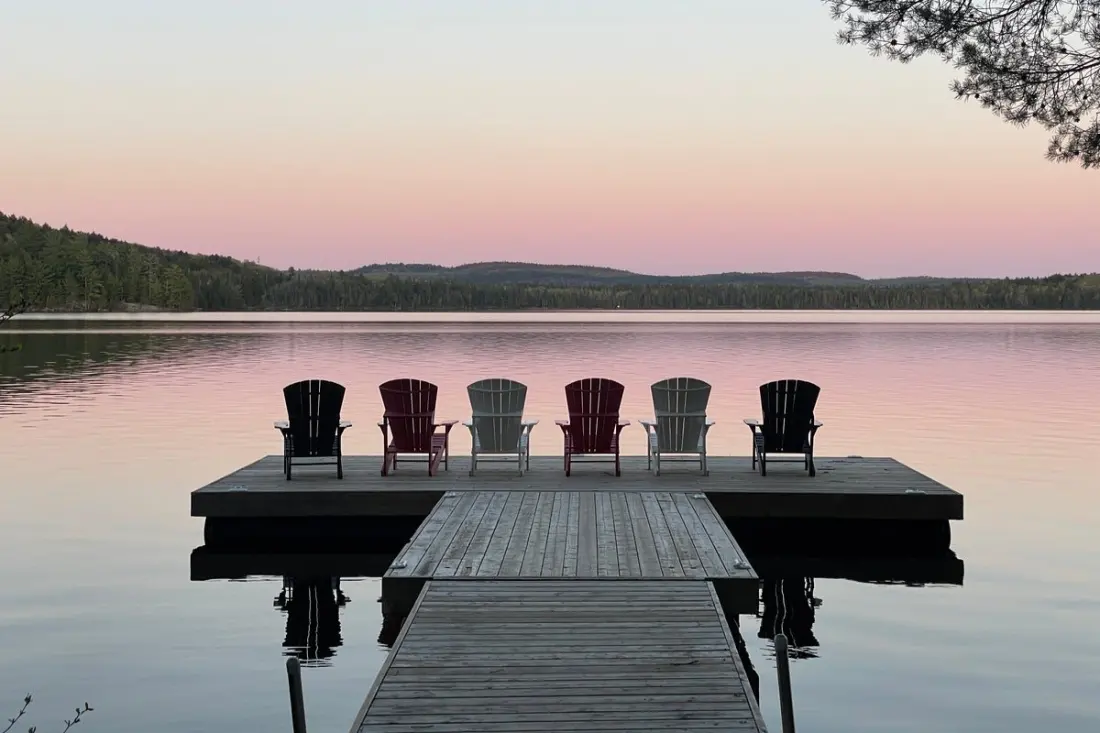
The natural starting point is Algonquin Park, a couple of hours from Ottawa in a province that holds one-fifth of the world's freshwater. Buccheri paddled Canoe Lake with a guide from Algonquin Outfitters, drifting past the beech and pine scenery that inspired works like Arthur Lismer's Wood Interior and Franklin Carmichael's Snow Clouds. On a silent island nearby sits the Tom Thomson Memorial Cairn, marking where the artist, who died in 1917 aged 39, had painted from his canoe — topped, oddly, by a west-coast-style totem pole erected by a camp in the 1930s that has little to do with Thomson or Ontario.
That incongruity opens onto the bigger story. Algonquin guide and educator Christine Luckasavitch explains that her Omàmìwininì (Algonquin) ancestors were forcibly removed from the park when it was created in 1893 as a lumbering site. In 2023, canoe maker Chuck Commanda built a birchbark canoe from park materials and paddled it on Lake Opeongo — the first such canoe on those waters in a century. As Kevin Eshkawkogan of the Indigenous Tourism Association of Ontario puts it, the Group of Seven painted landscapes without people, yet the land was tended by First Peoples who never left.
The urban leg of the route fills in the rest. Ottawa's National Gallery of Canada holds major Thomson canvases, and the Canadian Museum of History — designed by Anishinaabe architect Douglas Cardinal — sits just across the river. Two hours southwest, the McMichael Canadian Art Collection in Kleinburg houses the largest Group of Seven collection anywhere, now shown alongside contemporary Indigenous artists including Kent Monkman and Norval Morrisseau, the Ojibwe painter behind the 1970s collective dubbed "The Indian Group of Seven". Mādahòkì Farm, halfway between Ottawa and the park, brings it all to life with pow-wow storytelling and a herd of rare Ojibwe Spirit Horses.
For travellers, this is a rare trip that combines serious art, genuinely wild paddling and Indigenous-led experiences in one compact loop. Air Transat flies direct from London Gatwick to Ottawa; the park is a 2.5-hour drive, and going in mid-May means the city's Tulip Festival, quiet trails and calm water before summer crowds. Sleep lakeside at Killarney Lodge in Algonquin from around £335 a night, or in style at Ottawa's Fairmont Château Laurier on the Rideau Canal from about £155.
It's a pilgrimage that ends with a sharper picture of Canada than any gallery wall alone can give — and some very good canoeing along the way.