The European Commission has unveiled a climate resilience strategy designed to help the bloc spot and manage the growing fallout from droughts, floods, heatwaves and wildfires — and it comes with numbers that should make any traveller heading to Europe sit up.
Brussels says climate-related damage cost Europe around €200 billion between 2022 and 2025 — roughly €50 billion a year. The summer just gone was the hottest on record for Western Europe, according to the EU's Copernicus Earth observation programme, and land burned by wildfires in the EU up to 2 September was nearly double the 2006-2025 average. British scientists estimate heat killed about 50,000 people in European cities over the summer, the highest figure yet, with Germany's Robert Koch Institute attributing around 16,000 deaths there to the heat.
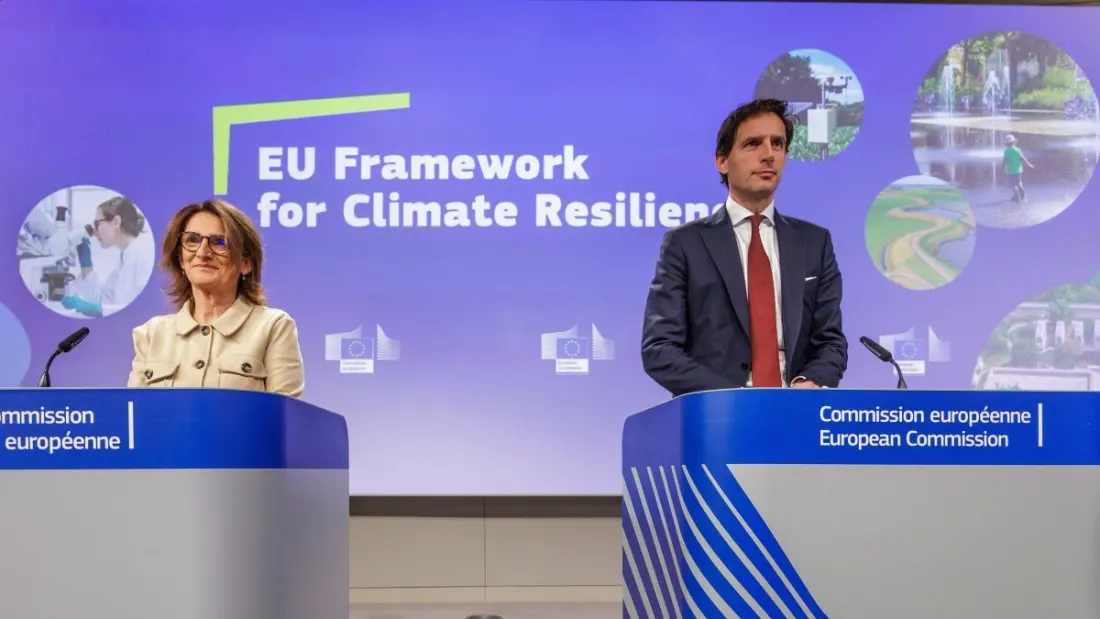
The centrepiece is a planned Climate Resilience Act, which will require EU member states to assess their climate risks on shared assumptions and plan preventive measures. Countries will keep discretion over how they protect themselves against heat, drought and flooding, but everyone will be working from a common baseline. Climate resilience is also meant to be factored into all major EU policy areas going forward.
For travellers, the most practical piece may be a new tool called the European Climate Viewer. It will show potential hazards for specific locations and time periods — for example, railway routes particularly exposed to extreme heat or heavy rainfall. That kind of detail could genuinely shape trip planning, whether you're weighing a July city break in Seville or wondering how reliable that alpine rail route will be in a wetter-than-usual autumn. Supporting platforms will also help authorities identify proven measures for specific risks.
"Europe is warming at double the global rate," Commission President Ursula von der Leyen said, describing the initiative as an approach to "anticipate, prepare for and manage" climate risks. Announced in September as a whole-of-society effort reaching down to local level, the strategy aims to prevent damage through coordinated action across EU, national and municipal tiers.
Why it matters for travellers: Europe remains the world's most-visited region, but the conditions for visiting it are shifting. Expect more destinations publishing heat plans, more water restrictions in southern summers, and greater scrutiny of when — not just where — to travel. Shoulder-season trips in May-June or September-October are increasingly the savvy option for southern Europe, and checking climate risk data before booking high-summer trips is on its way to becoming as normal as checking the exchange rate. The strategy itself is policy rather than a passport stamp, but the European Climate Viewer could become one of the more useful free tools for planning trips in a hotter continent.