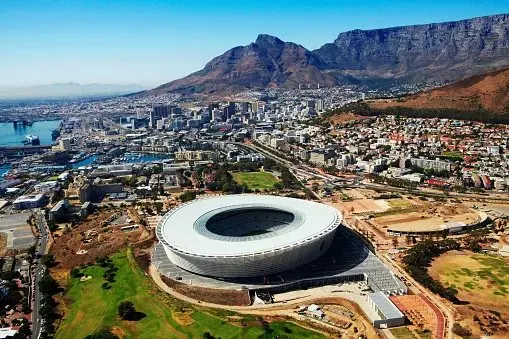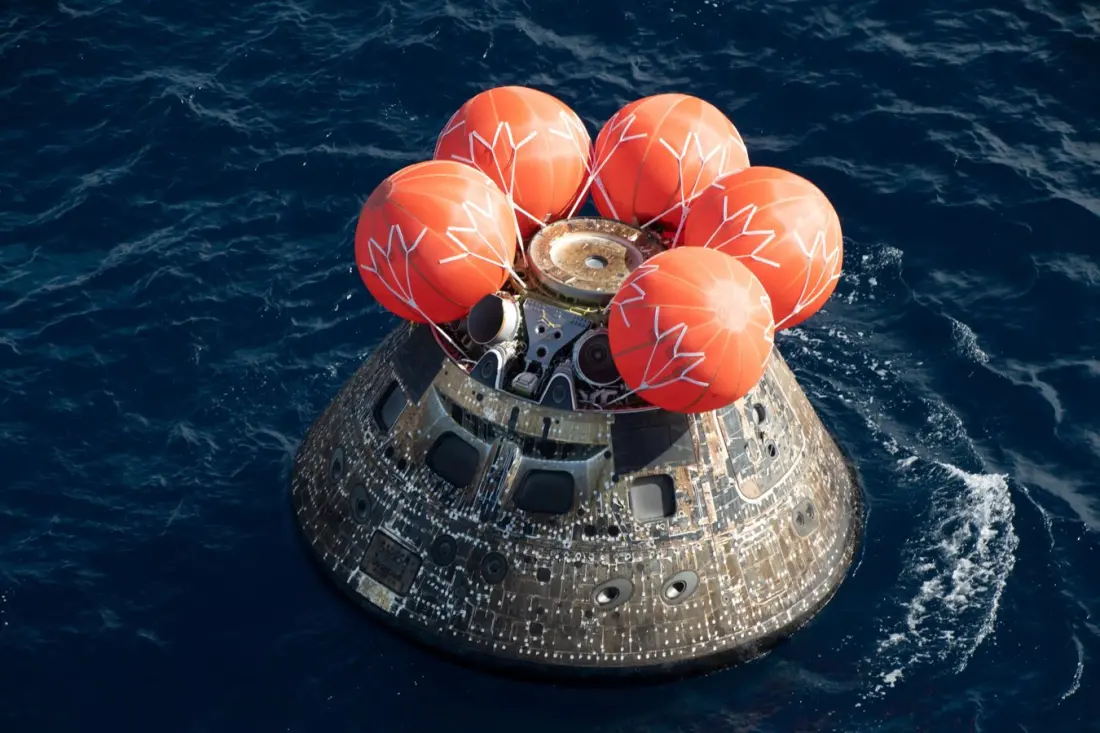
An unusual conversation took place in Cape Town recently: NASA representatives sat down with the National Sea Rescue Institute (NSRI) to discuss what would happen if an Orion spacecraft carrying astronauts splashed down in South African waters. The scenario isn't science fiction. During the Artemis programme — NASA's plan to return humans to the Moon — a launch emergency could force an abort, and depending on trajectory and timing, the waters off Cape Town are among the possible recovery zones. A splashdown there could occur just eight minutes after lift-off from Florida.
Charl Maritz, the NSRI's Head of Operations, said NASA approached the organisation at short notice after learning of its maritime rescue capabilities. That recognition makes sense: the NSRI has more than 50 years of experience, a network of coastal rescue stations and trained volunteer crews. In an emergency where injured astronauts couldn't wait for NASA or US Department of Defence teams, local crews could locate and reach the capsule, ferry astronauts and specialist personnel to shore, and hand them over to South African emergency medical services.
The job wouldn't be simple. A capsule could land as far as 200 nautical miles offshore, pushing the NSRI's vessels to their limits on range and time at sea. The division of labour would be clear: NSRI handles maritime rescue, while NASA's specialist teams deal with the spacecraft itself.
There are genuine hazards involved. NASA briefed the local teams on the risks of approaching an Orion capsule after an abort — notably hydrazine, a highly toxic thruster fuel that could still be venting after splashdown. Rescuers might need to wait 15 to 20 minutes before approaching. They were also briefed on injuries from a hard landing, decompression complications and other spacecraft-related emergencies. NASA representatives extended the visit beyond the NSRI, meeting local trauma facilities to assess the region's medical readiness.
Next steps could include a formal statement of intent between NASA and the NSRI, covering spacecraft hazard guidance, safe recovery procedures and medical information for hospitals, with NASA covering emergency response costs.
Nothing is scheduled — an astronaut splashdown off the Cape remains a contingency, not a plan. But the story is a nice reminder for travellers that Cape Town's Table Bay and surrounding waters are guarded by one of the world's most respected volunteer sea rescue organisations, one now trusted with, potentially, saving people returning from the Moon.