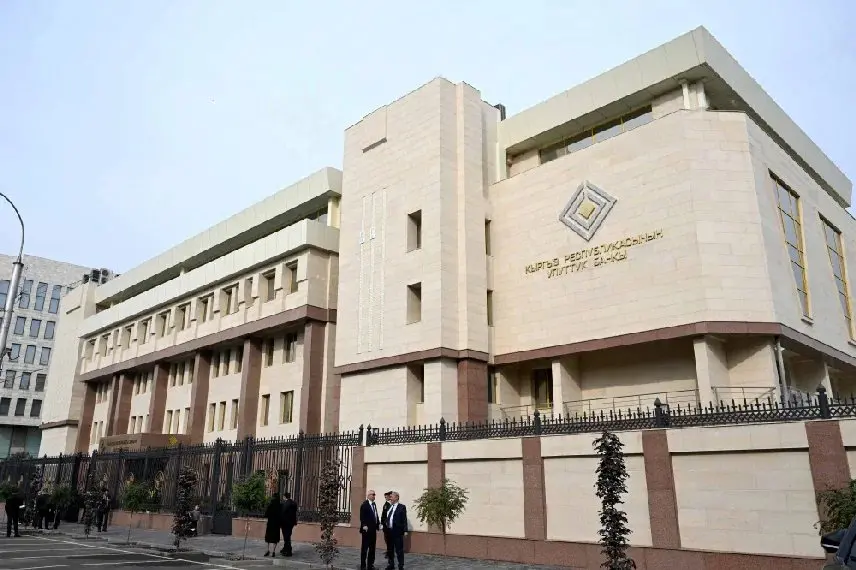
The National Bank of Kyrgyzstan carried out its 13th foreign exchange intervention of 2026 on November 2, selling $214.5 million on the domestic market. It was the second-biggest sale of the year, behind only June's $222.55 million operation, according to the central bank's press service. The previous intervention, on October 7, saw $207.55 million sold.
Add it all up and the regulator has sold roughly $2.29 billion worth of foreign currency since January — with no purchases at all. That is close to 2.7 times the total for 2025, when interventions came to $853 million. In plain terms, the central bank is pumping far more dollars into the market this year than last, on a much more frequent basis.
The bank frames the sales as a defensive tool rather than a policy shift: the interventions are, in its words, aimed purely at smoothing temporary shortages of foreign currency and keeping the macroeconomic picture stable. In practice, though, the frequency and scale suggest persistent pressure on the som, Kyrgyzstan's currency, throughout 2026.
For anyone with a trip to Kyrgyzstan on the horizon — whether for trekking around Issyk-Kul, horseback trips in the Tien Shan, or time in Bishkek — the exchange-rate story is worth a glance. A central bank intervening this heavily usually signals a currency under strain, which can mean rate swings between the time you plan and the time you land. The som has historically been fairly stable, so this year's pattern stands out. Travellers carrying US dollars or euros have generally found easy exchange options in cities, but it's sensible to check current rates close to departure rather than budgeting months ahead.
Beyond the exchange desk, none of this changes what draws people to the country: dramatic mountain scenery, yurt stays and some of the most affordable travel in Central Asia. But if you're planning costs in som, build in a buffer and keep an eye on the news — the National Bank's activity this year suggests the currency story isn't settled yet.