By 2050, the map of sub-Saharan Africa's biggest cities will look strikingly different, according to projections from the report Sub-Saharan Africa's Urban Awakening: Catalyzing Economic Growth and Job Creation. The headline change? Luanda, Angola's coastal capital, is forecast to become the region's largest city, overtaking Lagos.
Luanda's population is expected to jump 78%, from 11.4 million in 2025 to roughly 20.3 million by mid-century. Lagos still grows — from 12.8 million to 16.2 million — but that only earns it second place. Kinshasa, Dar es Salaam, Addis Ababa, Abidjan, Khartoum and Nairobi also feature in the projected top 15.
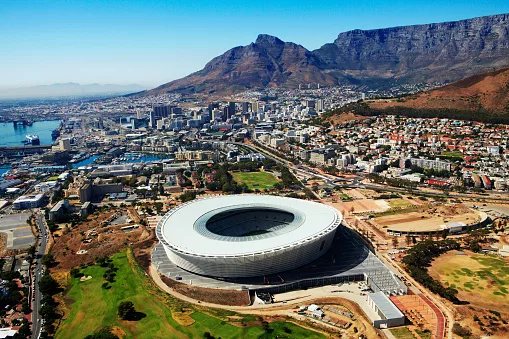
South Africa's two flagship cities are the notable losers in relative terms. Johannesburg is expected to fall from fifth place in 2025 to eighth by 2050, even though its population grows from 7.1 million to 8.9 million. Cape Town, meanwhile, is forecast to drop out of the region's 15 largest cities altogether — despite adding residents at a rate of 36% over the period. In other words, both cities keep growing; they're simply being outpaced.
The fastest climbers are less obvious names. Bamako in Mali could expand 80% to 7.6 million, and Mogadishu by 64% to 7.2 million — both expected to enter the top 15 alongside Kampala, Bamako, Accra and Onitsha in Nigeria.
The numbers behind the shift are enormous. Sub-Saharan Africa's urban population has already grown from 170.2 million in 1975 to 912.6 million in 2025, and a further 748 million people are projected to move to cities by 2050, taking the total to around 1.7 billion. The World Bank warns that without major investment in housing, transport and infrastructure — plus roughly 15 million new jobs a year — the region risks missing the economic upside of all this growth.
For travellers, this is less about packing lists and more about expectation-setting. Cape Town and Johannesburg remain southern Africa's tourism and business anchors, and nothing in these forecasts changes that. But the cities you'll visit in 2050 — and the destinations emerging now, like Luanda, Abidjan and Addis Ababa — will be bigger, busier and increasingly important as airline hubs, conference hosts and cultural capitals. If you're curious about Africa beyond the established circuit, the cities climbing this list are a decent shortlist for where the next decade of growth (and hotel openings) will happen.