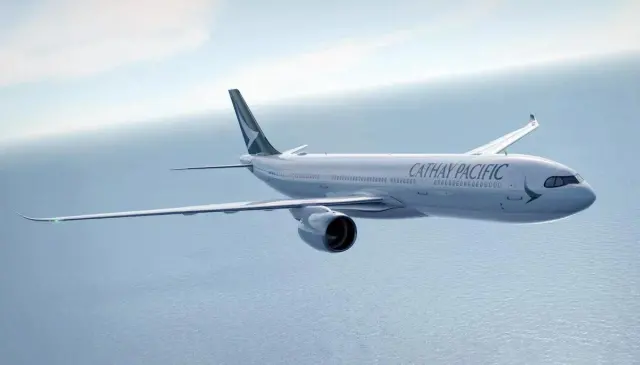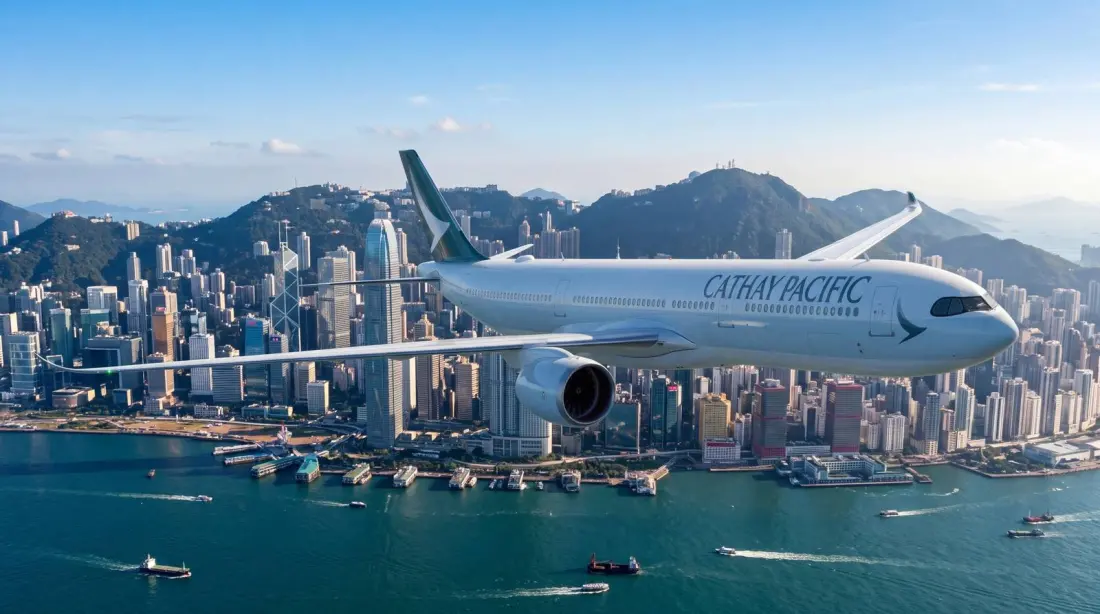
Cathay Pacific is doubling down on Airbus. The Hong Kong carrier has added 11 A330-900s to its order book, taking its total commitment for the type to 41 aircraft, plus three extra A321neos. That brings the Cathay Group's overall order backlog to 114 aircraft, according to figures cited by Airbus.
The timing makes sense when you look at the fleet's age profile. Cathay's existing fleet of around 181 aircraft is young — an average of just 3.6 years — but its 43 older-generation A330-300s average 18.2 years old. Since none of the new A330-900s have been delivered yet, the expanded order looks largely like a replacement programme, with some jets also adding capacity as the airline grows.
Cathay's Chief Operations and Service Delivery Officer Alex McGowan said the additions will both replace older types and expand the fleet. Airbus, unsurprisingly, pitched the pairing of the A330-900 and A321neo as giving the airline flexibility to match capacity to demand with lower fuel burn.
The rest of the order book fills in the picture. Thirty A321neos remain on order (27 plus the three new ones), against 18 A321s already flying, so those will mostly grow the narrowbody operation. Eight A350Fs are on the way, and 35 Boeing 777-9s — the largest single order line — are expected to replace the oldest aircraft in the hangar: 14 Boeing 777-300s averaging 25.3 years old.
For travellers, the interesting detail is how Cathay actually uses the A330. Despite being a widebody, it mostly flies short regional hops. The busiest route from Hong Kong is Taipei, a flight of under two hours, and virtually all A330 flying this year has stayed within Asia, bar occasional runs to Perth and Cairns. The long-haul work — London Heathrow, New York JFK, Frankfurt, Los Angeles — goes to the Boeing 777-300ER and the A350 family.
What this means for passengers: over the next few years, expect newer, quieter and more fuel-efficient cabins on Cathay's regional routes across Asia, with modernised long-haul equipment arriving as the 777-9s and A350 freighters filter through. Anyone flying Hong Kong–Taipei, Southeast Asia or mainland China routes in the late 2020s is the most likely to notice the difference first.
The order is also a small win in the ongoing Airbus-versus-Boeing sales contest, with both planemakers keen to pad already substantial backlogs. For Cathay, it's a fairly low-drama move: consolidating on a streamlined two-maker fleet while quietly retiring the aircraft its passengers have been flying on for two decades.