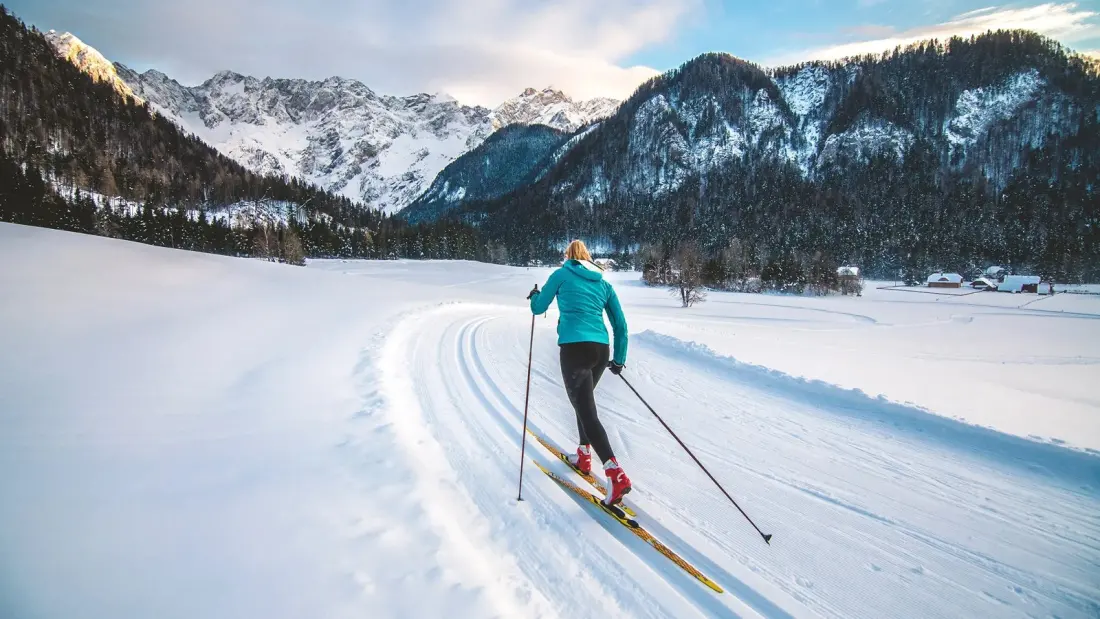
Cross-country skiing punishes bad gear choices faster than almost any winter sport. Because every limb is always moving, you rarely freeze — the real danger is overdressing, sweating through your base layer, then plummeting into a chill that saps energy and edges toward hypothermia. Getting the kit right takes trial and error, so a team that spent four full months on snow — one group in the Midwest, another in Maine, skiing through December snowstorms, sub-zero January days, a warm March thaw and even April snow — has done a lot of that error-eliminating for you.
They ranked 11 pieces of kit, from boots to headbands. The headline pick is the Fischer RC5 BOA Skate ($379), a skate-ski boot stiff enough to race in but comfy enough for all-day cruising. The BOA dial tightens with more precision than laces and works with gloves on, and the foam liner can be oven-heated and moulded to your foot. The catches: it runs wide (bad for narrow feet) and Fischer's app-based sizing tool reportedly steered testers two sizes too small — go to a shop instead.
For classic skiing, two boots stood out. The Alfa Scenic GTX from Norway piles up fleece lining, NASA-inspired Solarcore insulation and a Gore-Tex membrane; one tester called it the warmest boot she'd tried, toasty on a 17-degree, 20-kilometre day — though it's roomy rather than nimble. The Rossignol XP12, built for Rottefella Xplore bindings, delivered the best ski control and warmth (comfortable through seven-hour tours at 15 degrees) at the cost of extra weight. For backcountry NNN bindings, the Alpina Outlander and women's Outlander Eve won unanimous praise for fit — testers logged a 27-kilometre day with zero hot spots — though the soft toe costs some control in Below about 15 degrees, toes eventually got cold.
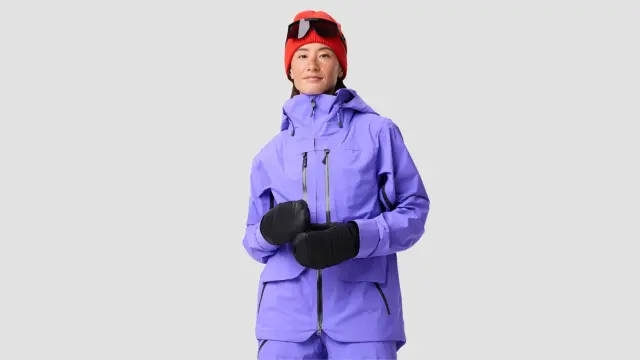
The clothing picks follow a simple principle: light layers, not one bulky jacket. The Mammut Rime IN hoody is lightly insulated, body-mapped to protect the core, with stretchy side panels for breathability — testers wore it over just a base layer on windy 19- to 25-degree days and finished "just right." The Ibex Woolies Pro Tech crew and bottoms, 85 percent superfine merino, are paper-thin yet proved warm down to 11 degrees. The Fjällräven Bergtagen 60 vest is the insurance policy: it packs to softball size and saved a tester on a damp 10-degree day.
Rounding out the list: the Leki PRC 650 pole with its quirky but reliable "Shark" quick-release strap system, the Darn Tough Snowburst sock, and the Skida Alpine Headband for headwear. The glove/mitt winner, the KinetiXx Sol XWarm Trigger, is a hybrid — trigger finger for dexterity, mitt-style warmth for the rest.
Who's this for? Anyone booking a Nordic holiday — Norway, Finland, Colorado, Vermont, the Alps — who wants to buy once and buy right. The whole 11-piece kit skews expensive (the lead boot alone is $379), but boots and skis last for years, and a well-chosen layering system is the difference between loving a day on the trail and enduring it. Check the full guide for sizing notes before ordering; several of these boots run wide or small.