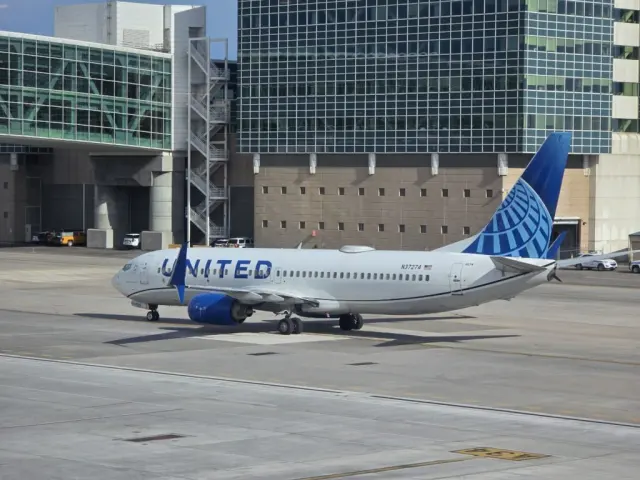
United Airlines has announced it will block third-party personal AI assistants from booking flights on its behalf, in one of the first moves by a major carrier to explicitly wall off its booking systems from the fast-spreading wave of AI agents.
The US airline says the restrictions will apply in two places: directly on United's own digital platforms, and indirectly through online travel agencies and flight aggregators that resell United fares. In other words, even if you book through a third-party site, an automated agent acting for you won't be able to complete purchases on United flights. The airline framed the decision as a consumer safety issue, warning that handing your account login details to an AI assistant can expose sensitive personal information. It also flagged concerns about actions taken without proper authorisation — an agent booking the wrong flights, changing reservations or spending money with no human signing off.
For years, the airline industry has fought automated interference in its booking channels, most famously in the battle against hidden-city ticketing site Skiplagged. This is a different kind of fight. AI agents that browse, compare and purchase on a user's behalf are becoming mainstream, and airlines see them as both a security risk and a threat to the direct relationship they've spent a decade building with customers through apps and loyalty programmes.
United hasn't detailed exactly how it will detect and block these agents technically, and the airline stopped short of banning every automated tool — the language targets "unauthorised" third-party agents, leaving room for officially sanctioned integrations down the line. Competitors will be watching closely. If other carriers follow United's lead, the dream of telling an AI assistant to "find me the cheapest flight to Tokyo and book it" could hit a wall at the checkout page for some airlines while working fine for others.
Why does this matter if you're not an AI power user? Because booking habits are shifting fast, and the fine print is changing with them. If you use an AI assistant to plan and book trips, you may find United flights silently dropping out of your agent's results or failing at payment. It also means keeping more control in your own hands: you can still use AI to research and compare fares, but for United specifically, the final booking will likely need to happen through United's own app, website, or a human at a travel agency. And if you were tempted to share your MileagePlus login with a third-party tool, the airline's warning about credential security is a clear signal to stop.
This is worth watching as a test case for how the travel industry handles the AI agent era — expect more airlines, hotels and booking platforms to draw their own lines in the coming months.
Story first reported by Skift.