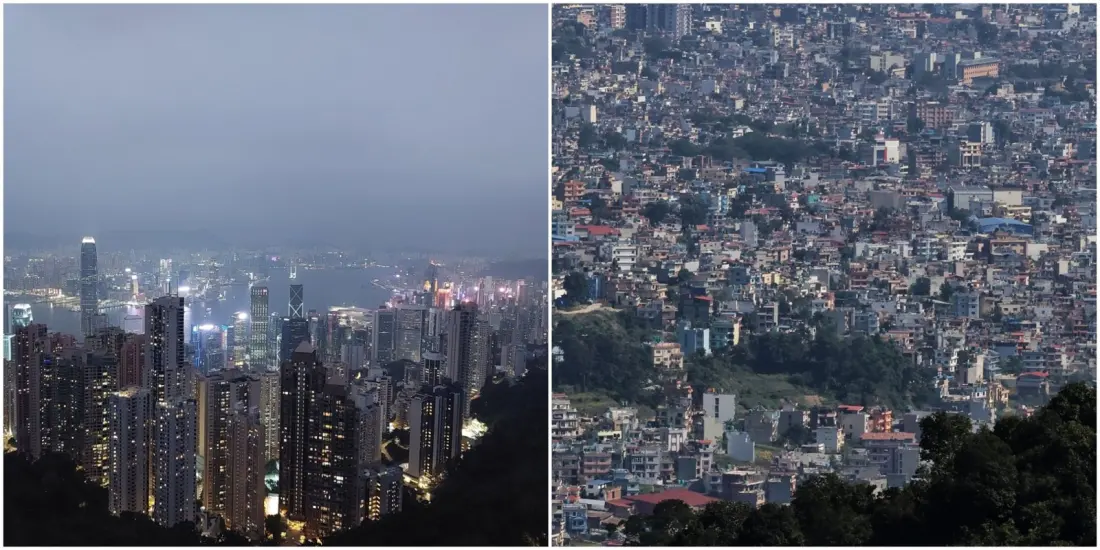
Hong Kong and Nepal sound like an odd pairing on a map — one a hyper-dense financial hub, the other a Himalayan republic of 30 million — but their connection runs deeper than most travellers realise. Around 30,000 Nepalis live and work in Hong Kong, many in hospitality and service jobs, and their presence traces straight back to the Gurkha soldiers who served in the territory for five decades, from 1948 until the 1997 handover. That shared history is now being dusted off for a new purpose: trade, investment and education.
Writing in Nepali Times, Nepal Economic Forum chair Sujeev Shakya and University of Hong Kong philosopher Brian Wong argue that Hong Kong is unusually well-placed to help Nepal as it pursues what Foreign Minister Shisir Khanal calls "developmental autonomy". The pitch is concrete. Hong Kong's lawyers and supply-chain specialists could advise Nepali merchants on selling into China — particularly specialty goods like Nepali coffee and high-value plant-based materials used in traditional Chinese medicine. Hong Kong's investors, meanwhile, could fund Nepali projects in healthcare, recreation and tourism, provided local communities genuinely benefit.
The financial case is striking. Nepal's broad money supply sits above 120% of its GDP and private-sector credit exceeds 95% — figures that suggest a banking system far more mature than the country's income level would predict. The authors see room for cooperation between the Hong Kong Monetary Authority and the Nepal Rastra Bank on fintech, micro-finance and development lending.
The softer side matters too. Hong Kong has five universities in the world's top 100, and the writers propose more Belt and Road scholarships so bright Nepali students can study there — and see how China tackled its own development challenges up close. The exchange should run both ways: more Hong Kong youth visiting Nepal to experience its history and its blend of Hindu and Buddhist traditions, which the authors compare to Hong Kong's own religious diversity. They point to Patan, the ancient temple city next to Kathmandu, as the place where that syncretism is easiest to feel.
For travellers, the interesting bit is the human layer. Kathmandu has long been a working destination for Hong Kong's Nepali community, and the article signals a deliberate push toward more two-way movement — students, young visitors and investors. If even a fraction of that materialises, expect stronger Hong Kong–Kathmandu air links, more Chinese investment in Nepali hotels and tourism projects, and a city like Patan drawing visitors who arrive with a bit more context. Even without any of that, Patan's thousand-year-old temples and tangled alleys remain one of South Asia's most rewarding half-day wanderings, and a reminder that Nepal is far more than its capital's traffic-choked core.
The piece is ultimately a policy argument — Nepal as a bridge between China and the Indian subcontinent, Hong Kong as the broker — but the underlying message for anyone planning a trip is simple: these two places share more history than you'd guess, and the links are only set to grow.
Story via Nepali Times.