A rack of Netflix buzz has pulled one of Colombia's darkest days back into the spotlight. The new series Palacio dramatises the November 1985 siege of the Palace of Justice in central Bogotá, and 41 years on, Colombians are still arguing fiercely about what actually happened there.
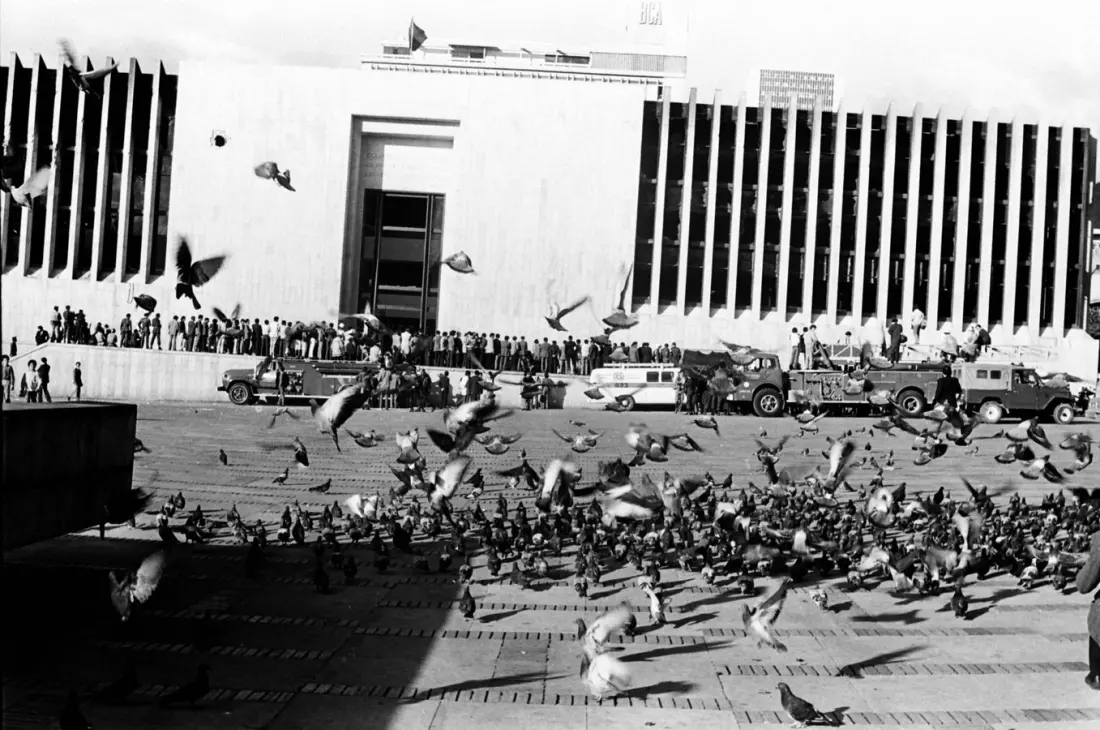
The facts are grim. On 6 November 1985, 34 M-19 guerrillas stormed the building, which housed the Supreme Court, hoping to put President Belisario Betancur on political trial. The military response was total: 33 insurgents, 11 security force members and 43 civilians died, and the courthouse burned. M-19 had expected a negotiated outcome like the 1980 Dominican Republic Embassy siege. Instead, pleas for a ceasefire from trapped civilians and court president Alfonso Reyes Echandía went unheeded.
But the retaking itself is where the deep controversy lives. Judicial findings and survivor testimony describe systematic state crimes: security screening and metal detectors had been removed days before the attack despite intelligence warnings; surrendering guerrillas were executed; and at least ten civilians and one insurgent were taken to military facilities, tortured, killed and buried in unmarked graves. Auxiliary magistrate Carlos Uhran Rojas walked out alive under military custody and was later found dead in the ruins, staged as a crossfire casualty. Human remains at the scene were mishandled, and a defence lawyer for victims' families was murdered in 1998.
The Netflix series has reignited debate just as Colombia's official memory institution, the National Centre for Historical Memory (CNMH), has shifted tone under conservative leadership. Critics accuse it of reframing the conflict as purely terrorist violence while downplaying documented abuses by state forces — part of a broader global pattern the article traces from Argentina to Spain, where right-wing movements challenge established truths about past state violence.
For travellers, this matters more than it might seem. Bogotá is not a city that hides its history. The rebuilt Palace of Justice stands on Bolívar Square, across from the Casa del Florero Museum — the very building where kidnapped hostages were held before being disappeared. Walk the square and you're reading Colombia's national story in stone: independence riots, presidential palaces, a burned courthouse reconstructed within living memory. The M-19 itself later demobilised and became a political party, a twist that says a lot about how the country moved on — or didn't.
Understanding the siege, and the argument around it, adds real depth to a visit. It explains the murals, the memorials and the intensity of Colombian political conversation. The new series is a good primer before you go, but treat any single narrative — including official ones — with curiosity rather than finality. That, arguably, is the whole point of the debate.
ColombiaOne