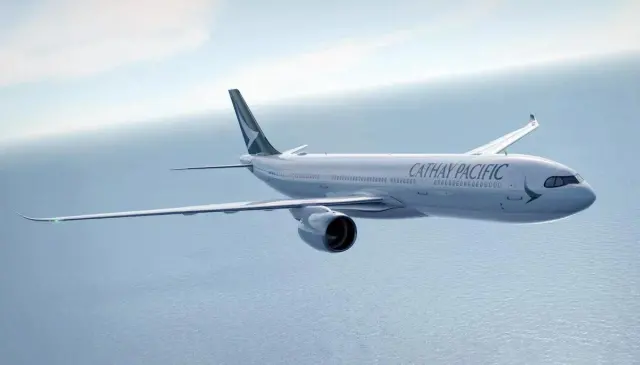
Cathay Pacific has topped up its Airbus order book. On Wednesday, 12 November, the Hong Kong carrier confirmed an additional 14 aircraft: 11 more A330-900neo widebodies plus three extra A321s. That lifts its total commitment for the A330-900neo to 41 frames, making it one of the type's biggest customers and a clear signal of where the airline's medium-haul fleet is heading.
For anyone who flies Cathay regularly, this matters more than it might sound. The A330-900neo is the modern replacement for the older A330s that have long formed the backbone of the airline's regional network — the routes linking Hong Kong with Southeast Asia, mainland China, Japan, Korea and points across the Asia-Pacific. The neo burns notably less fuel than the jets it replaces, which typically translates into quieter cabins, larger entertainment screens and a more comfortable overall ride as fleets refresh.
The three extra A321neos point to the other half of the strategy: thinner, narrower routes where a full widebody would be overkill. Expect those to show up on shorter regional sectors, often with lie-flat or lie-flat-style business seats that have become a hallmark of Cathay's A321 cabin.
The timing tracks with Cathay's broader rebuild. The airline spent the pandemic years shrinking, then spent the recovery years scrambling to restore capacity to pre-2020 levels. Locking in dozens of A330-900neos gives it a steady pipeline of efficient, mid-size widebodies through the second half of the decade — exactly the aircraft needed for the dense regional flying that Hong Kong's hub status depends on.
So when should a traveller care? If you're booking Cathay flights within Asia over the next few years, there's a decent chance you'll end up on one of these new jets — and the newer airframe usually means a better seat, better Wi-Fi and fewer maintenance-related disruptions. It's fleet news on the surface, but for passengers it's a preview of what the onboard experience will look like on Cathay's regional network as deliveries roll in.