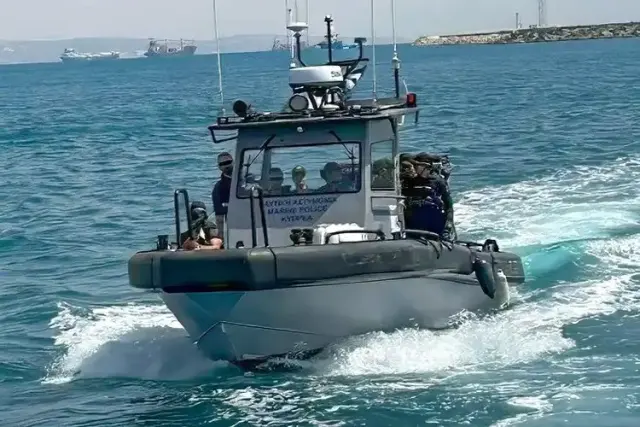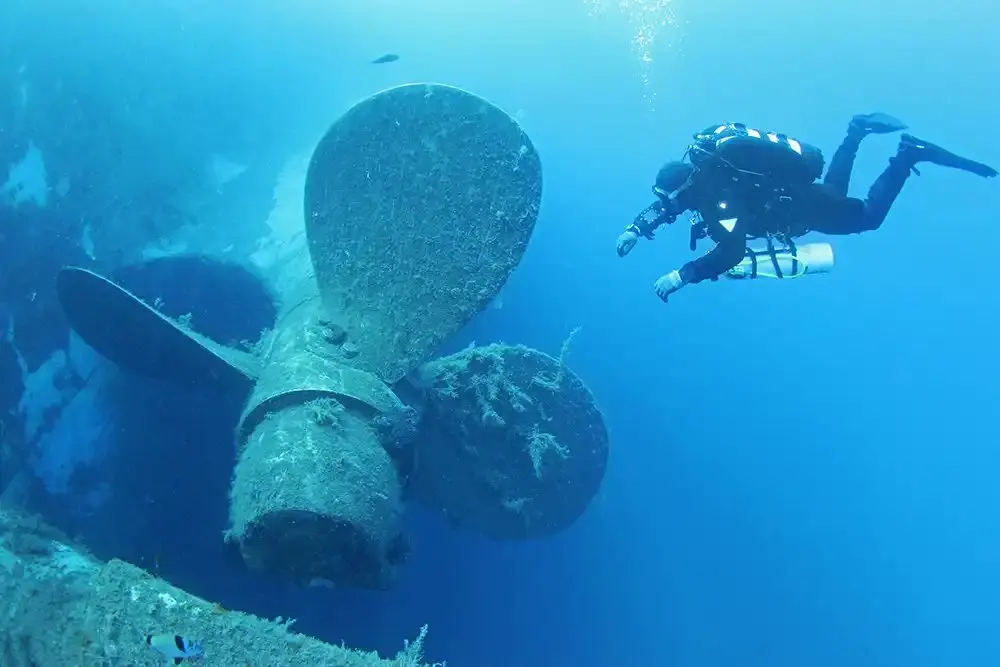
Cyprus has hosted well over 100,000 dives in its waters — more than 30,000 of them on the legendary Zenobia wreck alone, plus around 60,000 introductory dives at Protaras — yet until now the island has had no law specifically governing recreational dive providers. That looks set to change. A new bill, the Diving and Recreational Diving Service Providers Law, was debated by parliament's Energy, Commerce, Industry and Tourism Committee on 17 November, after Cabinet approval in November 2025 and submission to the House in March.
The law would require dive centres, training schools, freelance instructors and even boats that carry divers to meet minimum safety and operating standards. Licences, issued by the Deputy Ministry of Tourism at €200 and valid for three years, would only go to providers meeting ISO 24803 — the international standard for recreational diving services — with qualified staff and professional liability insurance in place. A public register of licensed operators and a system of inspections would follow, and working without a licence could mean fines up to €8,000, up to two years in prison, or both.
The timing raised eyebrows: the parliamentary discussion came a week after a 61-year-old British diver died on the Zenobia, though there's no indication the operator involved was at fault or that the debate was moved up because of it.
Not everyone is happy with the draft. The Cyprus Dive Centres Association backs regulation in principle but objects to exemptions carved out for the Cyprus Federation of Underwater Activities and its member clubs, arguing that anyone teaching diving should meet the same standards whether they're commercial or a sports club. The federation counters that its clubs are non-profit and focused on member training rather than selling dives. Dive centres also say the bill ignores technical diving and freediving, both widely offered in Cyprus, and unresolved questions include medical check requirements, minimum insurance levels, and why investigations of serious accidents would be optional rather than mandatory.
For visitors, the numbers behind this are striking. A 2023 tourism ministry study counted 86 dive centres and 69 dive sites on the island, including 17 wrecks and six artificial reef parks — yet only eight businesses are currently listed as ISO 24803-certified on the official tourism portal. Once the law passes, choosing a legal, inspected operator should get much simpler, which matters in a country where warm water, easy shore access and the Zenobia rank among Europe's most accessible diving.