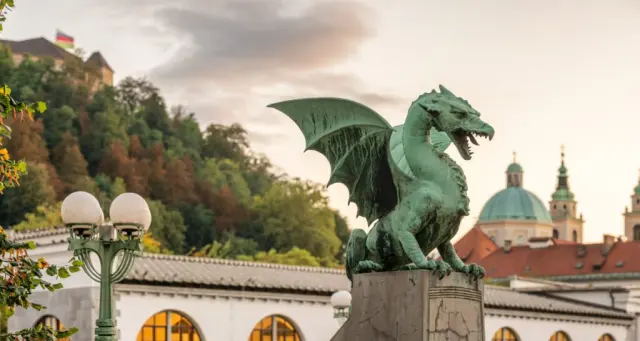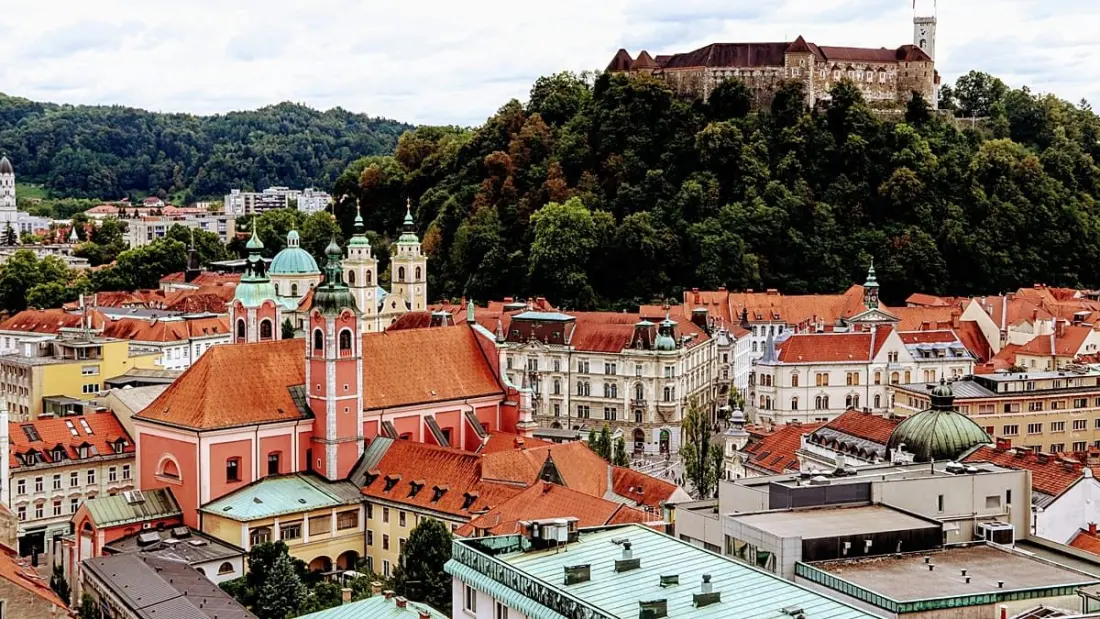
Two very different European destinations will share the spotlight in 2027: Ljubljana, Slovenia's compact green capital, and Calvià, the Majorcan resort municipality that has spent years trying to escape the mass-tourism trap. The European Commission announced both as the 2027 European Capitals of Tourism, an annual title that rewards smart and sustainable approaches to travel.
The award splits destinations by size, and both winners beat stiff competition. From 83 applicants across 24 countries, 16 finalists were shortlisted and presented their cases to a European Jury in Brussels on 18 and 19 November. Ljubljana won the large-city category (over 100,000 inhabitants), seeing off Aalborg, Braga, Genoa, Konya, Lviv, Salzburg and Sofia. Calvià took the smaller category (25,000–100,000 inhabitants) ahead of Calais, Geestland, Ibiza, Nova Gorica, Sandanski, Selçuk and Zadar.
The jury singled Ljubljana out for its resident-first approach — putting locals' quality of life at the centre of tourism planning — plus its strong showing on accessibility, digital tools, culture and sustainability. It was also praised for smart use of visitor data and a deliberate push to attract travellers year-round rather than only in peak season. The Slovenian capital already has form here: its car-free centre, riverside promenades and extensive cycling network have made it one of Europe's more liveable capitals.
Calvià's win tells a different story. The municipality on Mallorca's southwest coast built its fortunes on package-holiday volume, and the jury applauded its shift away from that model towards sustainability and a more even spread of visitors across the year. Judges highlighted its attempts to rebalance the relationship between tourists, residents and the environment, and to make tourism serve long-term economic, social and environmental goals. The hope, explicitly stated by the jury, is that Calvià's reinvention inspires other mature beach destinations to follow suit.
European Commissioner for Sustainable Transport and Tourism Apostolos Tzitzikostas congratulated both winners, saying their leadership in sustainable, innovative tourism "delivers for businesses, visitors and local communities" and would inspire destinations across Europe.
What does the title actually mean in practice? Throughout 2027, both destinations will host events showcasing their initiatives and share best practices with other European places. They also get promotional support, a specially designed award sculpture, and membership of a network dedicated to smarter, greener tourism.
For travellers, the timing is useful. A European Capital of Tourism year typically means an expanded calendar of cultural events, investment in visitor infrastructure and renewed local pride — and 2027 in Ljubljana could be a great moment to see a city that already prioritises its residents over tourist numbers. Calvià, meanwhile, offers a chance to experience Mallorca's coast beyond the high-summer crush, when the beaches are calmer and the towns feel more local.