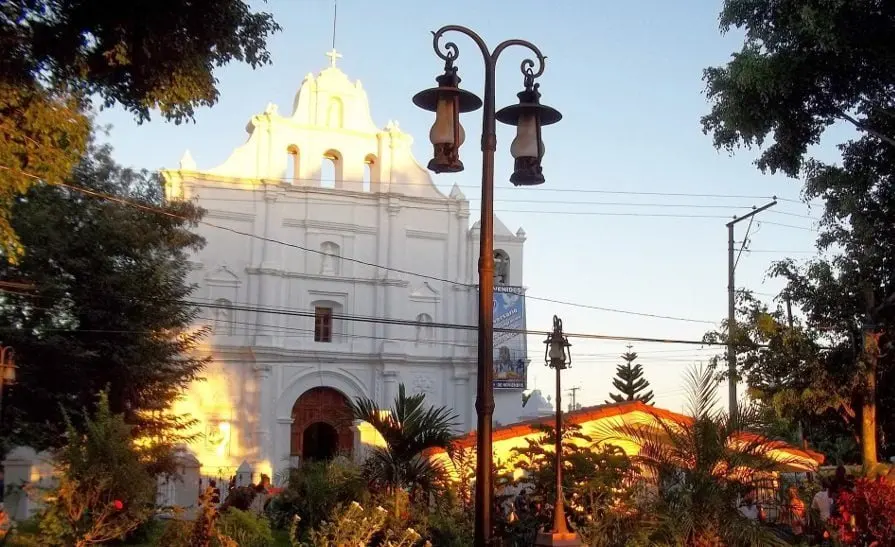
About 80 kilometres west of San Salvador, the town of Chalchuapa packs more ancient history into its streets than almost anywhere else in El Salvador. Sitting at around 700 metres on a plateau near the Guatemalan border, it's home to Tazumal — the country's most famous Maya site — plus a cluster of lesser-known archaeological zones, a colonial-era church, and a lively calendar of August street festivals.
Chalchuapa's story runs deep. People have lived here for thousands of years, and the area became a major ceremonial and trading hub linked to Maya communities across present-day Guatemala, Honduras and Mexico. Pottery, sculptures and ceremonial objects unearthed locally have made it one of the key places to understand El Salvador's pre-Columbian past. After the Spanish conquest, cacao and corn farming shaped the town, and it was formally granted city status in 1878.
The headline attraction is Tazumal, where a stepped pyramid and surrounding structures come with an on-site museum displaying local finds. But don't stop there. Casa Blanca Archaeological Park preserves more ancient structures and doubles as a workshop space where you can learn about traditional indigo dyeing — a craft with deep roots in Salvadoran history. El Trapiche, another part of the wider archaeological zone, has yielded evidence of monumental early Maya construction, and nearby Laguna Cuzcachapa shows how ancient settlements worked with the natural landscape.
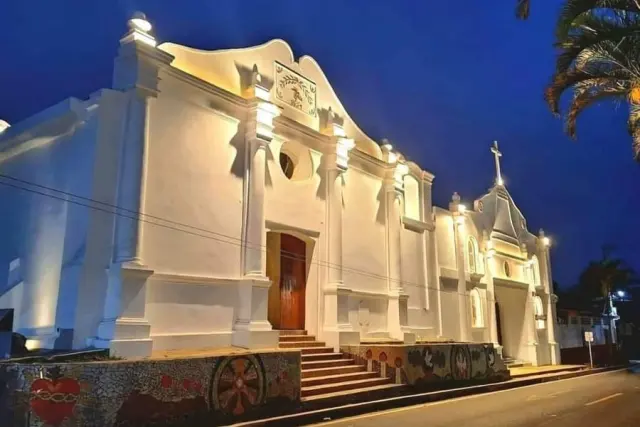
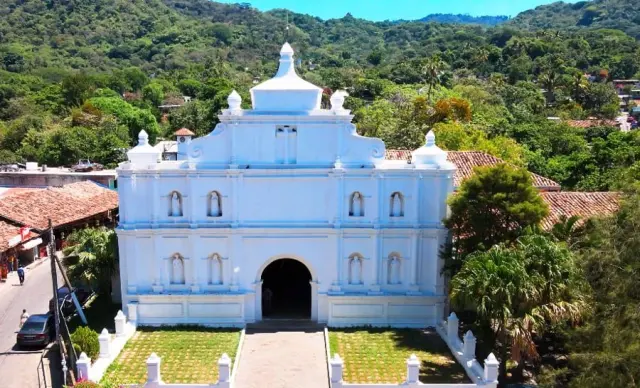
What makes Chalchuapa worth more than a quick photo stop is that the ruins sit alongside a living town. The historic centre centres on a pleasant park and the Church of Santiago Apóstol, the city's most important religious landmark. Local markets are good for people-watching and even better for eating: pupusas, tamales and other Salvadoran staples are sold by vendors and small eateries throughout town.
Timing matters if you want the town at full volume. The patron saint festivities honouring Santiago Apóstol and San Roque take over Chalchuapa each August with parades, music and religious events. For sightseeing, the dry season from November to April offers the most reliable weather, though the green season brings lusher scenery at the cost of afternoon downpours.
For travellers building an El Salvador route, Chalchuapa slots easily into a western loop. Santa Ana is close by and makes a convenient base, and the Pan-American Highway connects the area to the capital. It pairs naturally with Santa Ana's own attractions and the volcanic highlands of the Apaneca-Ilamatepec range to the south. If you've already done Joya de Cerén or the bigger-name stops, Chalchuapa adds genuine archaeological depth without the crowds — and a proper taste of everyday Salvadoran town life.