Planning a road trip deep into Mexico in your US- or Canadian-plated car? You'll need a Temporary Import Permit (TIP) — and the rules around it are stricter than many drivers expect.
The TIP is issued only by Banjercito, the Mexican government bank, either online in advance, at select Mexican consulates in the US, or at CIITEV offices near major land crossings in Arizona, California, New Mexico and Texas. It costs roughly US$50 in fees plus a refundable deposit of a few hundred dollars that varies with the vehicle's age. Miss the deadline for driving the car back out and you forfeit the deposit, lose the right to import a vehicle in future, and risk fines or impoundment.
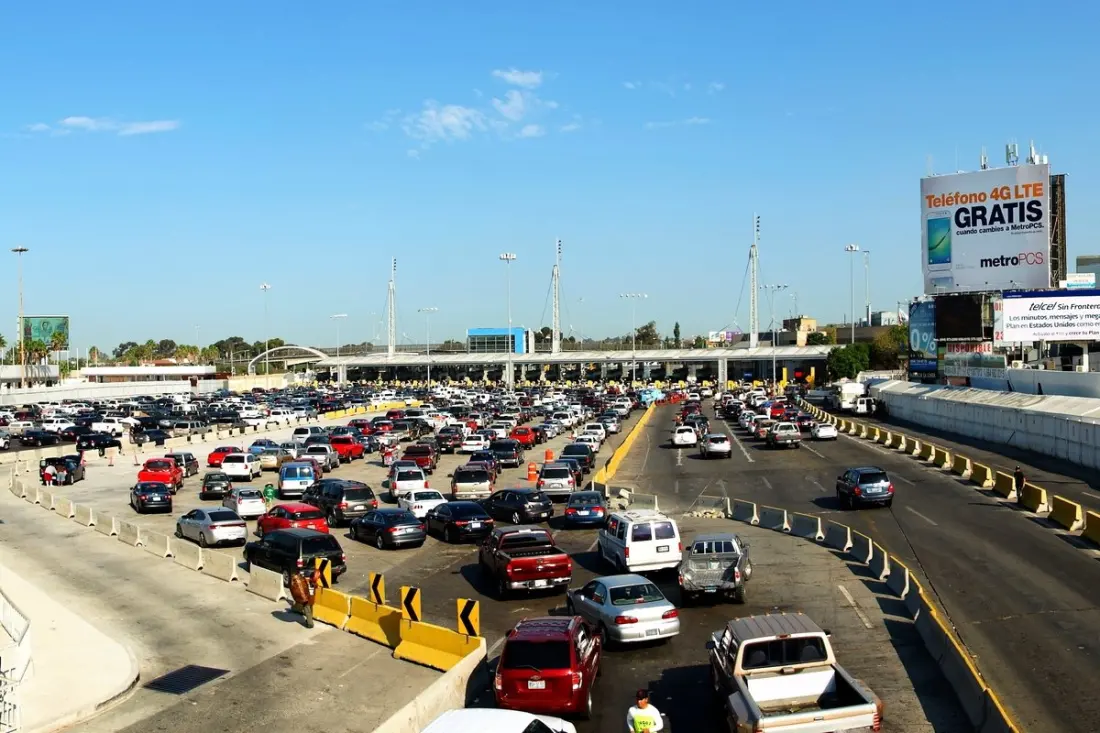
Not everyone needs one. Mexico's Free Zones — the border strip within about 25km of the frontier, the whole Baja California peninsula, parts of Sonora and the state of Quintana Roo — are exempt. But checkpoints exist beyond them, so if you're heading to, say, Mexico City or the Pacific coast, sort the paperwork first.
Eligibility is tied to immigration status. Tourists on a Visitor Permit (FMM) and holders of Residente Temporal cards can apply; Residente Permanente holders cannot. The TIP's expiry mirrors your immigration document — up to 180 days for tourists, or as long as your temporary residency remains current. Only one vehicle per person is allowed, though a spouse or adult child can each register their own. RV drivers towing a car can manage solo with proof of ownership for both, and you can register up to three single-passenger vehicles like motorcycles or ATVs, each tied to a passenger.
The paperwork matters. Bring your passport, immigration permit, a photo driver's licence from outside Mexico, the vehicle title and registration in your name (your spouse's name works with a marriage certificate), and proof of Mexican temporary insurance. Renting, leasing or financing the car? Add a notarized letter of permission from the relevant company. Payment needs cash or a non-Mexican credit card in the TIP holder's own name.
Since 2020 there's no more holographic windscreen sticker — permits are validated by email. Print your TIP and receipt and keep them in the car, because you can be asked for proof of the vehicle's legal status at military checkpoints or by federal and traffic police. If your car still carries an old valid sticker, leave it in place; only a Banjercito official should remove it when you cancel the permit at the border. Cancelling properly is what triggers your deposit refund, which can take days or weeks to hit your card.
For anyone wintering in Mexico or doing an extended overland trip, getting the TIP online before you travel saves queuing at the border — just remember to have your FMM stamped by immigration (INM) first. It's admin, but it's the difference between an easy drive and a seized vehicle.