February is the awkward month of the travel calendar. The festive glow has faded, payday feels distant, and most of Europe is still grey. But you don't have to choose between a ski trip and a long-haul flight to the southern hemisphere — a handful of southern European spots regularly hit the mid-to-high teens, and some push past 20°C.
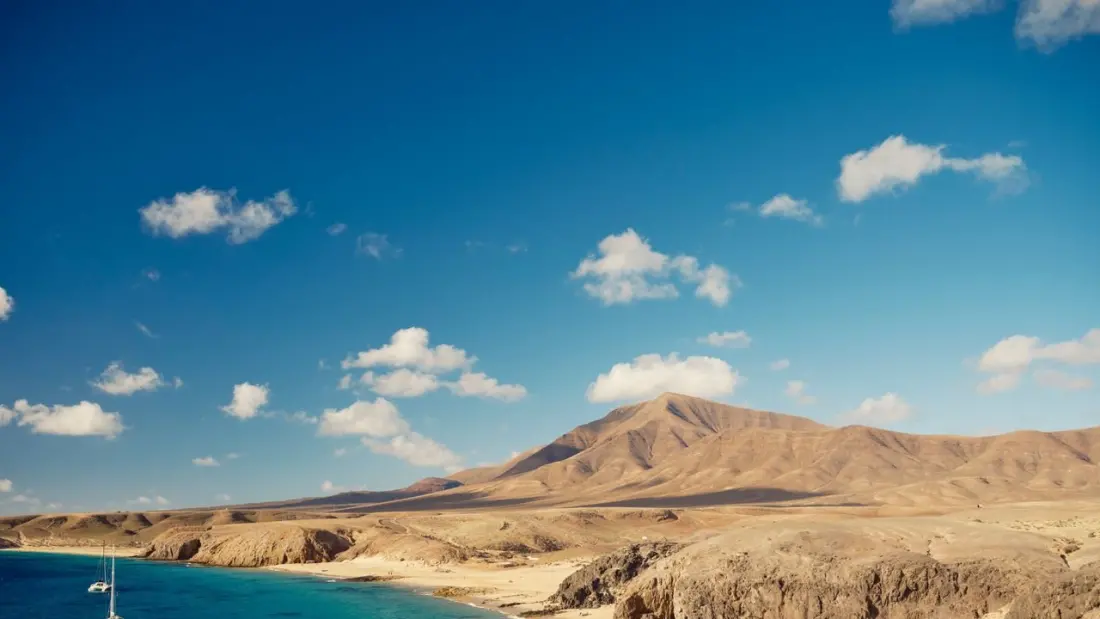
The Canary Islands lead the pack. Tenerife averages highs of 21°C in February and can climb towards the mid-20s, making it one of the few European destinations where swimwear is genuinely worth packing. Lanzarote isn't far behind at 20°C, and has rebranded itself in recent years as a hub for hikers, surfers, kitesurfers and golfers, with volcanic trails to boot. If you want warm and cheap, mainland Spain and the Canaries are the safest bets: established flight routes and plenty of open hotels keep prices competitive, unlike smaller cities where limited off-season availability pushes rates up.
Mainland Spain has its own sun traps. Seville and Almería both average 18°C, Valencia 17°C. Seville in particular is made for this time of year — bike rides through the parks, long lunches outdoors and sightseeing that doesn't involve wilting in summer heat. Valencia remains oddly under-visited by British travellers despite its Old Town, rooftop bars and a beach within easy reach. Almería, in the dry, mountainous south-east, offers wild coastline and beaches like Playa de los Genoveses, best explored with a hire car.
Portugal contributes two solid options. Lisbon hits 16°C averages, which is plenty for wandering Alfama or queuing-free visits to Jerónimos Monastery and Belém — you'll want a light jacket, but the sun often shows up. Madeira, geographically closer to Africa than to the Algarve, averages 19°C and rewards hikers with mountain trails; Funchal adds restaurants, nightlife and its famous toboggan rides without the usual crowds.
Elsewhere, the Mediterranean delivers mild rather than hot. Palermo averages 15°C — a smart alternative to Sicily's ferocious summers — with quiet markets and €2 Aperol Spritzes. Paphos in Cyprus (17°C) offers the Aphrodite Trail, the Tombs of the Kings and a relaxed off-season pace. Crete, Greece's southernmost island, also sits at 16°C: no sea swimming, but historical sites minus the tour buses. Just note some hotels and tavernas close for winter, so book ahead. Malta (16°C) works well as a mini-itinerary — Valletta's food scene, Mdina's walled streets, then a hop to Gozo. And Gibraltar, a curious British-flavoured outpost with familiar high-street names, manages 17°C and plenty of al-fresco lunches.
The realistic expectation: 14–21°C, sunny spells, occasional rain, and jackets rather than bikinis in most places. The trade-off is serious — no queues, lower prices, and locals living at normal pace. It's ideal for city-breakers, hikers and anyone whose main goal is topping up vitamin D rather than lying on a beach. If actual sunbathing is non-negotiable, Tenerife and Lanzarote are your two strongest cards.