Anyone flying through Chicago O'Hare should get comfortable with the idea of fewer flight choices. The FAA has capped the airport at roughly 2,700 daily takeoffs and landings, and while the current limits run through October 2027, United's chief commercial officer Andrew Nocella told CBS News Chicago that they could stick around until ORDNext — the airport's massive rebuild — wraps up in 2034.
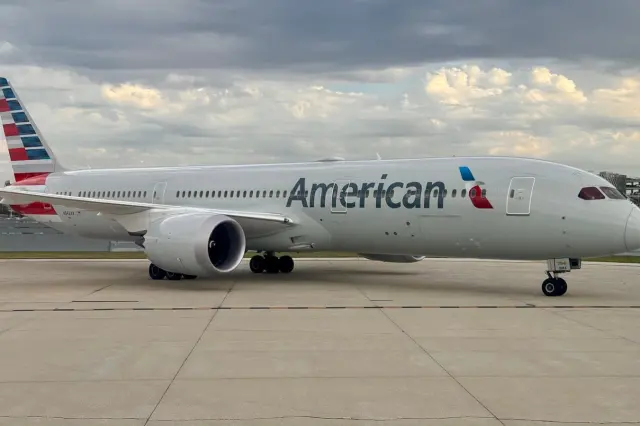
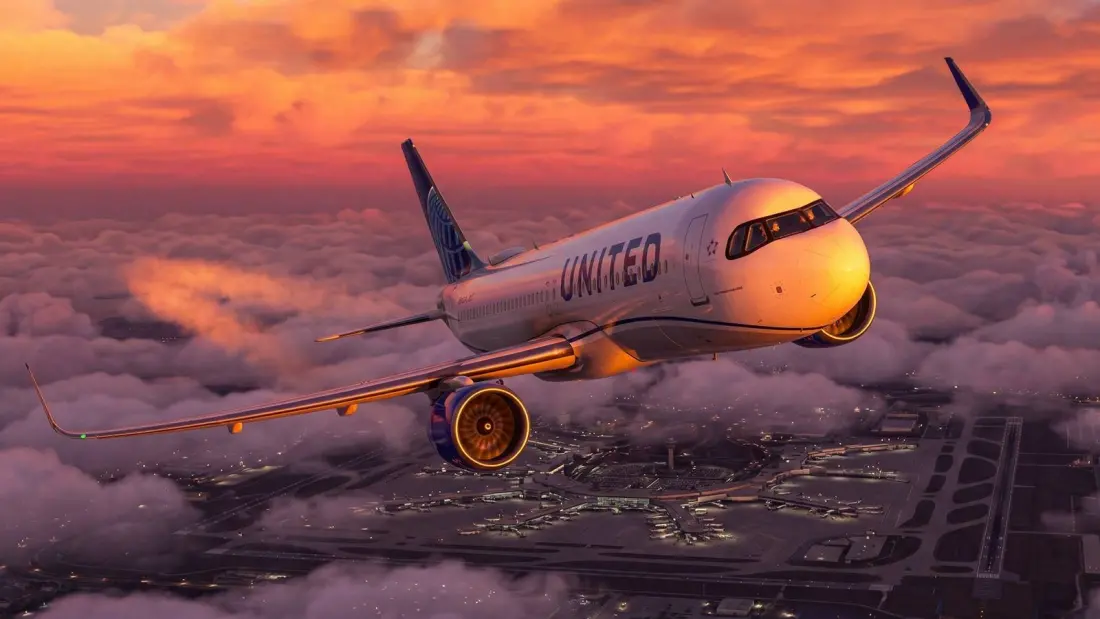
O'Hare is the world's busiest airport by flight departures, and the caps have hit its two hometown carriers hard. United had to drop about 10% of its operations there, suspending ten planned regional Midwest routes plus an international service to Guadalajara. It has also shelved its ambition of reaching 1,000 daily flights. American Airlines, which shares the hub, has scaled back its summer expansion — it had been targeting more than 500 daily departures — effectively freezing the turf war between the two airlines.
The root cause is construction. ORDNext, a $9.8 billion modernization program, is the largest terminal expansion in O'Hare's recent history and will periodically take taxiways and gates out of service. The plan includes two new satellite concourses near Terminal 1 — one 580,000-square-foot facility with 19 gates broke ground in August 2025 and should open in late 2028 — plus a full overhaul of Terminal 2, additional gates at Concourse E, a new O'Hare Global Terminal with construction slated for 2029 to 2033, and supporting work on tunnels, roadways and stormwater systems. Gate capacity should rise by up to 14% once it's all done, with better domestic-to-international connections and upgraded passenger amenities.
For travellers, the practical effect is a squeeze. Expect fewer direct route options, limited seat availability on peak routes, and upward pressure on fares out of Chicago for the better part of a decade. If you're booking a Midwest regional hop or a transborder flight that used to be on United's expansion list, it may simply not exist yet — or may cost more than it would have in an uncapped market. Connecting through O'Hare still works, but flexibility on dates and nearby alternatives (Midway, or hubs like Minneapolis and Detroit) will pay off.
The silver lining: by the mid-2030s, O'Hare should be a genuinely better airport, with more gates, smoother international transfers and modern facilities. Until then, book early and expect a construction site with a flight schedule attached.