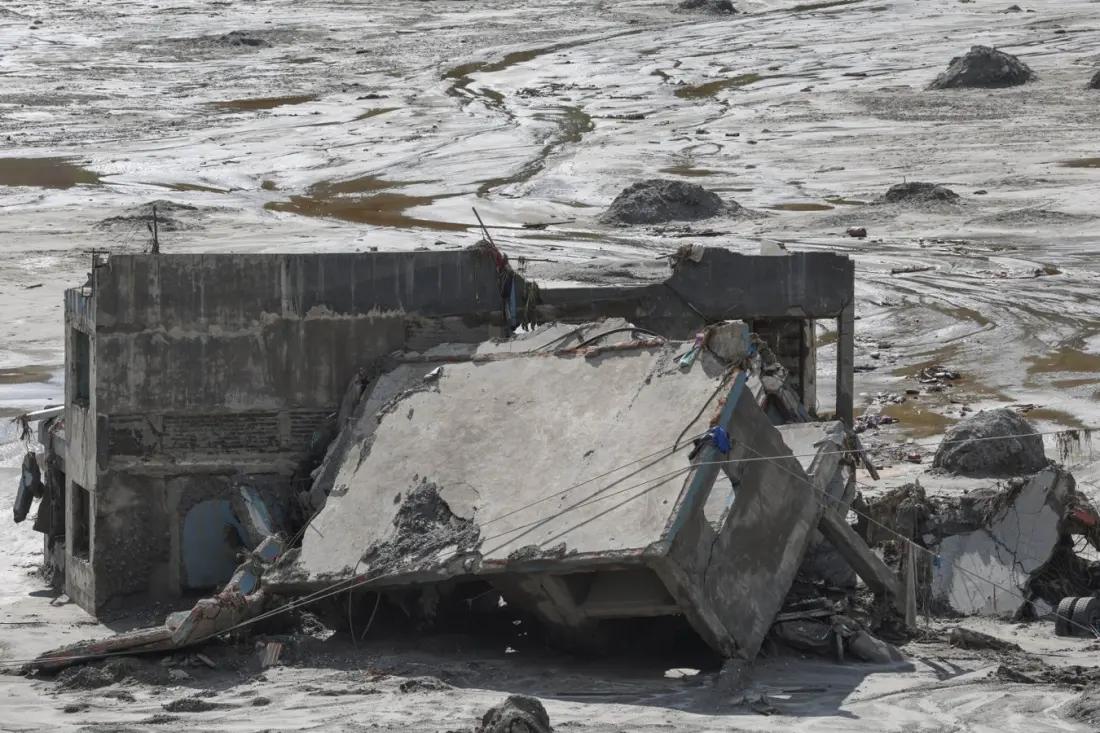
Nepal has become the first country to receive money from the UN's Loss & Damage Fund — but the headline figure hides a sobering reality. The Fund for Responding to Loss and Damage provisionally approved a $21.6 million grant for relief and reconstruction after the catastrophic Trisuli Valley flood of 26 August. That sounds significant until you learn that rebuilding is estimated at $4.7 billion, meaning the grant covers just 0.4% of the cost. Of the total, $1.6 million goes on administration, and Nepal still has to submit a detailed spending plan for approval.
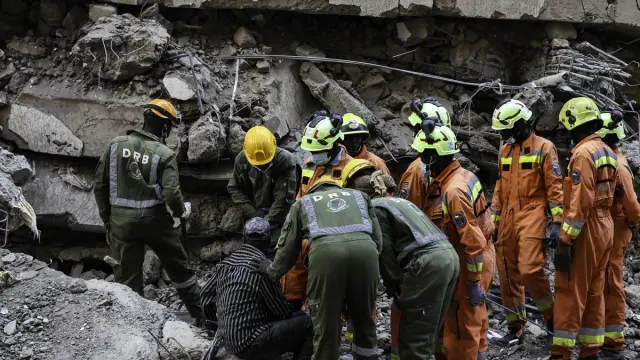
The disaster itself was devastating. At least 1,500 bodies have been recovered, over 5,000 people remain unaccounted for, and more than 60,000 people were directly affected — 15,000 of them children. Twelve hydropower plants, operating or under construction, totalling 1,000MW were damaged or destroyed. Nepal lobbied hard: Finance Minister Swarnim Waglé and Environment Minister Gita Chaudhary wrote to the fund within days of the flood, and Prime Minister Balendra Shah made an emotional appeal for climate justice at the UN General Assembly.
Not everyone on the fund's board was comfortable. At an extraordinary meeting on 22 October, some members reportedly worried the grant could set a precedent for a queue of similar claims from other countries. Still, Nepali officials see symbolic value: the fund was created at the 2022 Sharm El-Sheikh climate summit after three decades of pressure from developing nations, and this is its first payout. Negotiators hope the case will put mountain countries' vulnerability on the agenda at COP31, the climate summit starting in Türkiye on 9 November.
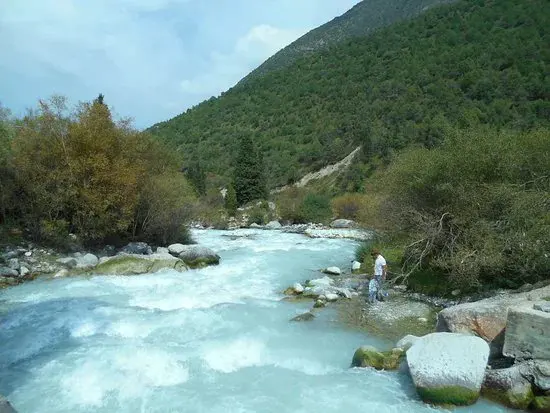
For anyone who travels to or loves the Himalaya, the bigger story is what comes next. The Trisuli Valley — a popular rafting and road corridor north of Kathmandu — sits in a region where scientists warn that heavier, more frequent glacial floods are likely as the atmosphere warms. The UNEP's latest Emissions Gap Report, released ahead of COP31, projects global temperatures could rise 2.6°C above pre-industrial levels this century. At that level, the Himalaya could lose two-thirds of its remaining ice. High Asia is dubbed the 'Third Pole' for holding the world's third-largest store of fresh water as ice; models show river flows increasing until about 2060, then steadily declining for the two billion people living downstream.
Some argue the Trisuli disaster was driven by geology and risky riverside construction rather than climate change, but climate adviser Manjeet Dhakal points to World Weather Attribution research linking the floods to global warming. Experts like watershed scientist Madhukar Upadhyay say the lesson for Nepal is preparedness: strengthening local communities rather than relying on shrinking emergency funds.
For travellers, it's a reminder that Himalayan routes and river valleys are changing fast — and that the places people go to raft, trek and explore are on the front line of a crisis playing out now, not in some distant future.
Nepali Times