Day 152 of a northbound Appalachian Trail thru-hike ends with a milestone and a warning. The hiker behind this diary, writing on 20 September, crosses the final state line of the trip — New Hampshire into Maine — and immediately learns that Maine does not do gentle introductions.
The day actually starts light. Camp gossip is all about lobster rolls, because Maine means lobster country. A prank seals the mood: a southbound hiker with round glasses and a long white beard delivers a deadpan "I have a message for you" — a food truck selling lobster rolls waits at a parking lot ahead. There is no parking lot ahead. Cue Borat and Lil' John impressions all morning, and a reminder that trail humour runs on exactly this kind of nonsense. The group has also spent weeks shouting "0.2 to Maine!" as an inside joke, since FarOut, the trail's navigation app, seemed to list everything as 0.2 miles away. Today the joke was literally true.
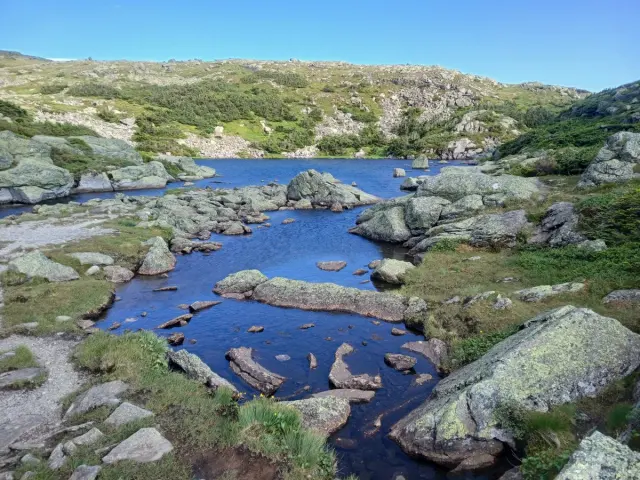
Crossing the border means saying goodbye to New Hampshire, the section everyone loves to fear. The writer's verdict: the White Mountains really are the hardest terrain so far, a grind of constant climbing rather than flowy hiking. The fix was simply slowing down and cutting daily mileage. The payoff — big views and a stay in one of the famous high huts — made it worth it.
Then Maine hits. Rain arrives almost with the state line, temperatures drop, and the trail turns to slick rock scrambles over the Goose mountains. A lunch detour to a shelter just for dry space says a lot; one hiking partner, Dreamcatcher from South Carolina, shivers in every layer she owns. The only cure is movement. The real trouble comes at camp: a failed drybag soaks every spare layer and the down quilt, which clumps and loses its insulation. With a foam pad that no longer blocks the cold ground, the night becomes a shivering, half-sleeping ordeal — described as the worst on the whole trail, and dangerous enough that the group plans an immediate outfitter stop.
Why should a traveller care? This is an honest snapshot of late-season hiking in the far northern AT: the terrain is rugged, the weather can flip from sunny banter to hypothermia risk in hours, and gear redundancy matters more than mileage ego. If you're planning a section hike in Maine or dreaming of Katahdin, pack for cold and wet even in September — and maybe keep a drybag inside your drybag.