Ninety-six percent of the world's shallow-water coral reefs are critically endangered, according to the first global assessment of these ecosystems under the IUCN Red List of Ecosystems. The study, released at the UN biodiversity conference (COP17) in Yerevan, Armenia, warns that nearly every assessed reef faces an extremely high risk of collapse by 2075 — and the MSC Foundation, the philanthropic arm of the cruise giant, has thrown its weight behind the findings.
The assessment is a serious piece of science: more than 250 researchers contributed, drawing on decades of observations and climate data across reefs in over 80 countries and territories. Its central message is stark but not hopeless. Reefs are already damaged, yet the worst threats are still to come, which means action taken now has a real chance of averting further loss and giving reefs room to recover.
Daniela Picco, the MSC Foundation's executive director, spoke about the work from the UN conference, arguing that understanding the scale of the threat is the first step towards protecting reefs. The Foundation funds conservation science worldwide through grants, but its most tangible project sits in The Bahamas — and it's one cruise passengers can actually visit.
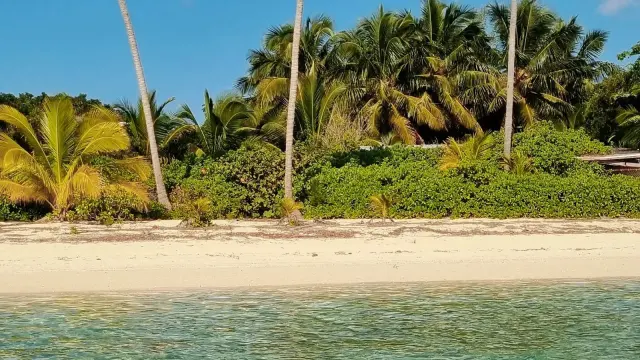
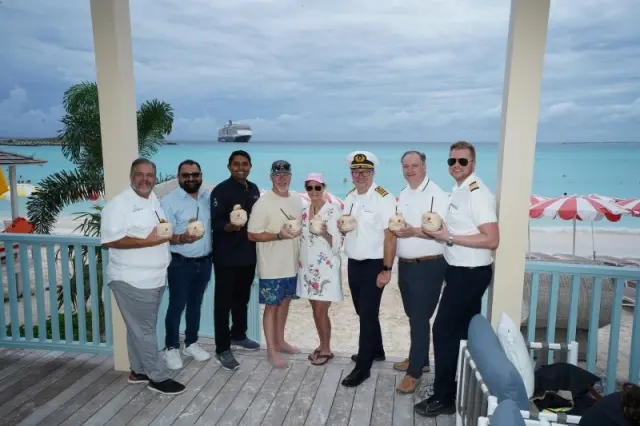
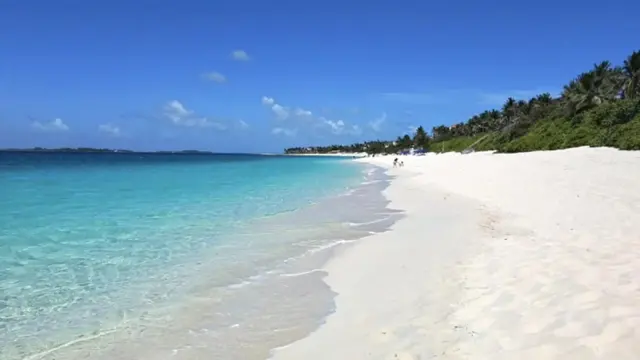
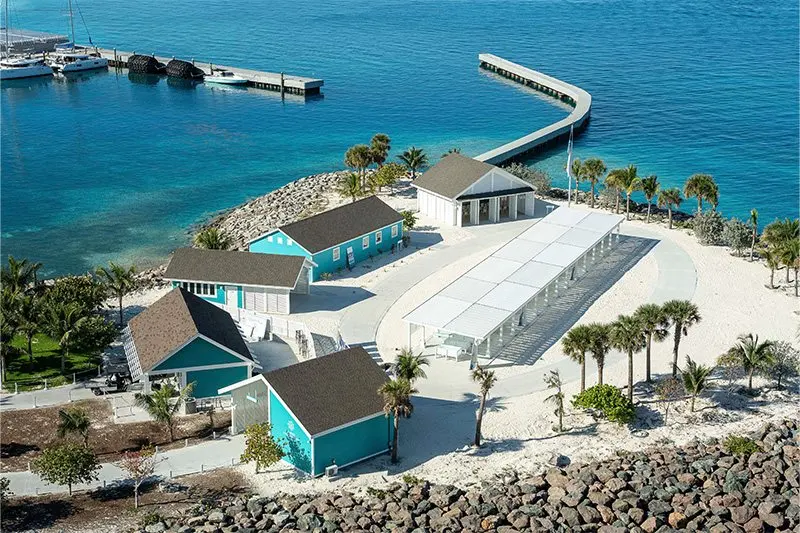
Ocean Cay, MSC Cruises' private marine reserve island, is home to the Foundation's Super Coral Reefs Program. Bahamian and international scientists there are studying heat-tolerant corals, raising corals in underwater nurseries and testing how well restoration efforts actually rebuild reef ecosystems. One highlight: the program has identified and propagated elkhorn coral (Acropora palmata), a critically endangered species and fast-growing reef builder that shelters and nurtures marine life. Nursery-grown corals are being monitored for heat stress, with early signs of resilience described as encouraging, and the Foundation is increasing its research investment.
The on-island Marine Conservation Center doubles as a research facility and an education space. Guests calling at Ocean Cay can learn about reef protection directly, and the program also supports opportunities for emerging marine scientists — a rare example of a cruise destination built around conservation rather than just a beach day.
For travellers, this matters on two levels. If you dive or snorkel, the 2075 projection is a reminder that reef trips in the Caribbean, the Red Sea or Southeast Asia are worth prioritising and doing responsibly — choose operators that don't anchor on coral, use reef-safe sunscreen and follow local guidelines. And if you're sailing with MSC in the Bahamas, Ocean Cay offers something most private islands don't: the chance to see active coral science up close and understand what's at stake beneath the surface. Whether the wider industry follows this model could shape what's left of the reef experience for the next generation of holidaymakers.
Story via Cruise Industry News.