Colombian actress Johana Bahamón has spent more than a decade working in a place most people never think about unless something goes wrong: prison. She founded Fundación Acción Interna in 2012, and in a recent conversation with ColombiaOne she explained why she believes a sentence should not define a person forever — and what it actually takes to give someone a viable path back into society.
The foundation's premise is straightforward but contested: people in prison have histories, families and futures, and once they have served their time they should not face permanent rejection. For Bahamón, a 'second chance' is not a slogan. It means practical support, real opportunities and, increasingly, help from the state itself. Acción Interna is pushing a legislative initiative that would give public institutions a formal role in supporting women in prison and those preparing for release, so that reintegration doesn't depend entirely on individual resilience or luck.
The human stories behind the policy are what give it weight. Camilo served 14 years at La Picota prison in Bogotá and describes a system where rights and due process could slip. What kept him going, he says, was family — regular visits from his children, and the sense that a different future was possible. Today he works alongside Bahamón at the foundation. José's situation flips the perspective: his wife is currently incarcerated, and he accompanies her through her own process, calling Acción Interna a 'great blessing'. His story is a reminder that imprisonment lands on partners and children too.
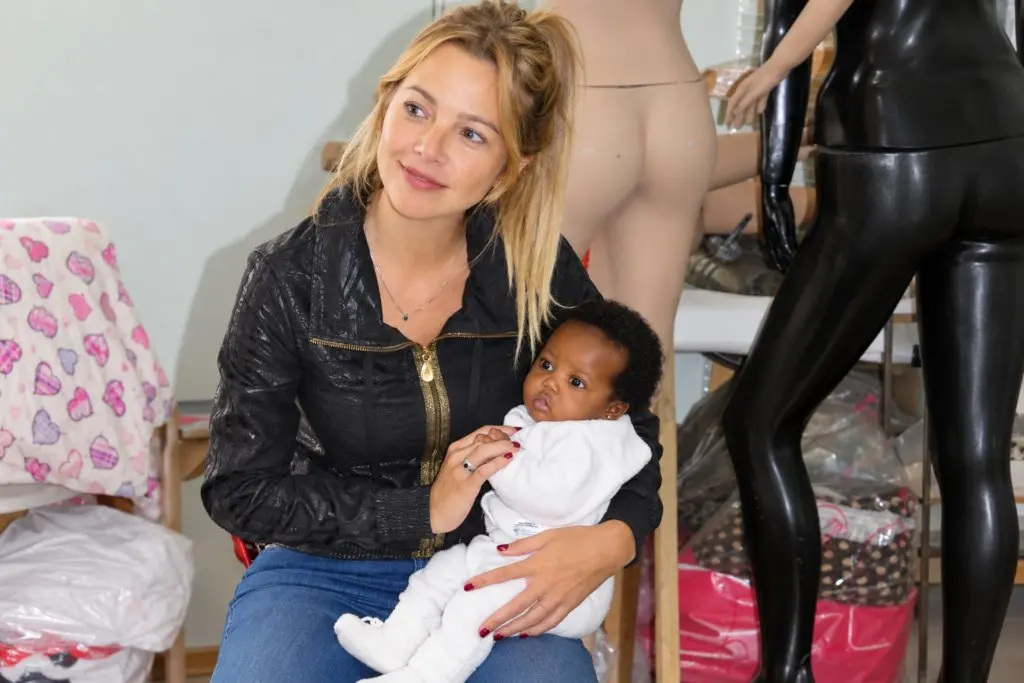
Then there is the bond that changed Bahamón's own life. A woman named Clari, serving time in prison, had a baby daughter, Evelyn — and when Evelyn was only months old, Bahamón took her in and cared for her. The relationship stuck. Bahamón now says Evelyn has 'two moms': Clari remains her mother, while Bahamón became another source of love and support. It is a striking illustration of what her work actually looks like up close, far from statistics and policy papers.
Bahamón's argument is that recognising people can change does not mean ignoring responsibility for what they did. It means leaving room for a future that holds more than their past — and accepting that second chances are a shared job involving institutions, communities and the individuals who choose to stand beside someone rebuilding a life. Her work has, she says, reshaped her own ideas about trust, family and change.
Who is this for? Travellers curious about Colombia beyond the usual itinerary will find here a picture of a country wrestling honestly with justice and social reintegration — and of a well-known public figure whose second act matters as much as her first. Fundación Acción Interna also runs social enterprise projects that give incarcerated people in Colombia the chance to learn skills and earn income, so visitors who want to engage with local social causes have a genuine example of the kind of organisation making that possible.
Story source: ColombiaOne