Australians are getting picky about their holidays, and a new Booking.com report suggests 2027 will be the year of the off-script trip. Its Travel Predictions research, conducted in mid-2026, flags nine trends shaping how Aussies book, and some of them might raise eyebrows among travel companions.
Money is the first fault line. Nearly half of Australian travellers (48 per cent) have reconsidered inviting someone on a trip over mismatched spending habits, and 34 per cent have straight-up removed someone from a group. Parents are getting selective too: 70 per cent want a child-free holiday so they can splurge on themselves, ahead of the 61 per cent global average. The practical takeaway is simple — budget conversations need to happen before departure, not at the resort bar.
The all-inclusive model is also wobbling. A striking 73 per cent of travellers would prefer packages that let them strip out services they won't use, and 61 per cent say changes to their health or lifestyle have reshaped their holiday choices. With sobriety, new eating habits and weight-loss medications in the mix, operators may need to sell opt-out flexibility rather than a wall of inclusions.
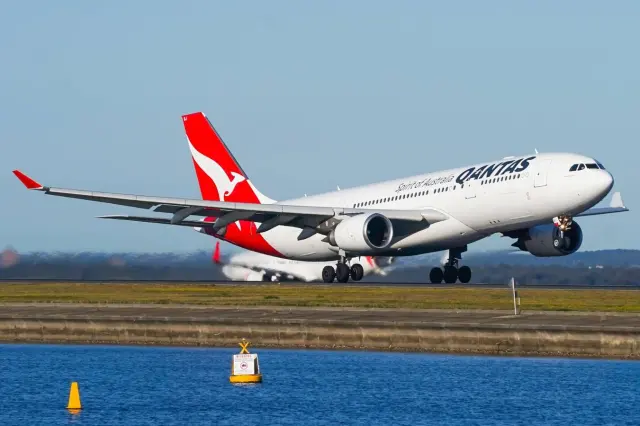
For a country that spends the best part of a day flying to Europe, sleep is serious business. A huge 93 per cent of Australians said they'd happily take a long-haul flight if guaranteed to arrive rested. Their wishlist: sleep-friendly menus and caffeine-timing advice (37 per cent), jet-lag-busting cabin lighting (26 per cent), skincare kits (24 per cent) — and 28 per cent would even pick a child-free quiet zone onboard.
Search itself may be changing. Some 78 per cent said they'd pick a destination based on how they want to feel rather than where they want to go, and 73 per cent would use a mood-based search tool. Gen Z and millennials are especially relaxed about sharing personal data to get personalised recommendations.
AI might also protect the holiday itself. Sixty per cent of travellers are open to AI covering their workload while away, 44 per cent would let it handle emails — and a cheeky 46 per cent would use it to catch up on missed work so they could sneak an extra day off unnoticed.
Other trends worth watching: solo travel is going social through fitness events (51 per cent of solo travellers are keen to travel for one, and 55 per cent who've shared a physical challenge made a lasting friend); 62 per cent are curious about paranormal experiences and ghost tours; 45 per cent of couples would consider a trip specifically to work through a conflict, ideally with a hike attached; and 73 per cent want a holiday that's completely out of character.
On destinations, Booking.com's ten to watch for 2027 are Christchurch (New Zealand), Monterey (USA), Sendai (Japan), Reims (France), Rosario (Argentina), Pescara (Italy), Puri (India), Goiânia (Brazil), Asunción (Paraguay) and Bratislava (Slovakia) — a list that skips the obvious hotspots almost entirely.
Why it matters: whether you're a traveller or an advisor, the message is that flexibility beats fixed itineraries. Expect people to ask what a trip will feel like, who's actually worth bringing, and what they can leave out of the package.