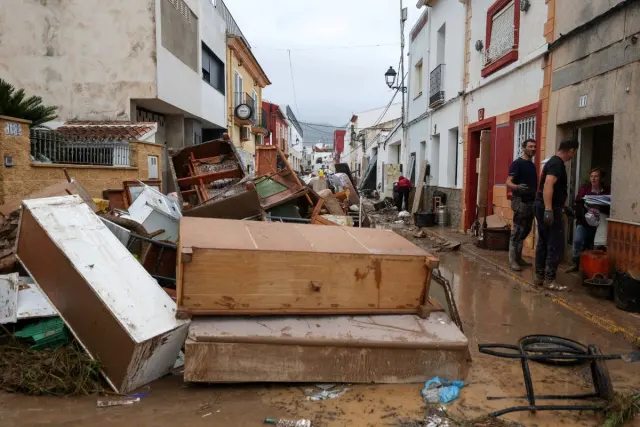
Storm Adam has brought some of the worst flooding eastern Spain has seen in decades, killing four people and forcing rooftop rescues across the Valencia and Alicante coastlines.
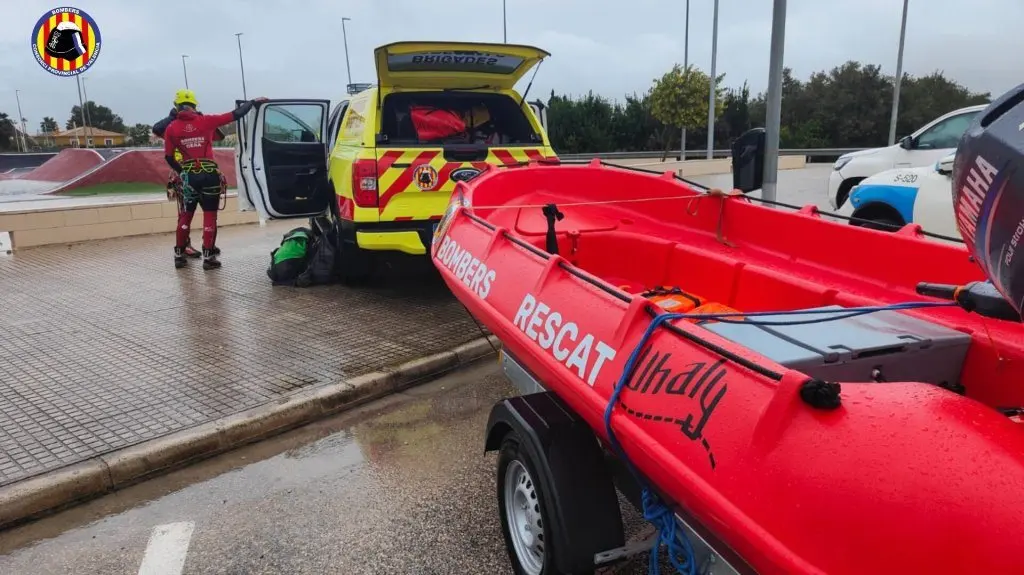
The two latest deaths were found in Oliva, a beach town in southern Valencia province, where the Military Emergency Unit deployed helicopters and ground teams to pull elderly and vulnerable residents from waist-deep floodwater. Earlier victims included a woman swept away crossing a watercourse with her children in Cabrera de Mar, north of Barcelona, and another in Sagunto.
The numbers are startling. Some spots in the La Safor and Marina Alta districts recorded 600 to 700 litres of rain per square metre over 36 to 48 hours; Oliva beach saw nearly 132 litres in a single hour. Spain's weather agency Aemet compared the episode to the catastrophic floods of November 1987, which set the national one-day rainfall record of 817 litres in Oliva.
Authorities confined residents across 145 municipalities, sent mass alerts to mobile phones, and told people to move to upper floors. More than 102,000 pupils were out of school, over 20 roads closed, and the Red Cross opened a 40-place shelter in Gandia. Around 100 people evacuated from a campsite in Xàbia were still in municipal accommodation. In the Pego-Oliva marshland, residents waited on rooftops for aerial rescue because even heavy fire vehicles couldn't get through.
The threat then shifted north, with orange warnings for Barcelona, Girona and Tarragona, while the Balearics dealt with closures on Mallorca, Ibiza and Formentera.
Why should travellers care? The Costa Blanca and Valencia coast are hugely popular autumn destinations, and this shows how quickly a dana — the Mediterranean storm pattern that also caused the deadly 2024 Valencia floods — can shut a region down. If you're booked into the area during storm warnings, expect road closures, suspended trains and school and service disruptions, and follow Es-Alert phone notifications and local instructions closely. The broader context matters too: September 2026 was mainland Spain's hottest on record, and scientists note warmer seas feed these intense autumn storms, so travel insurance and flexible booking are worth having for off-season trips to the Spanish Mediterranean.