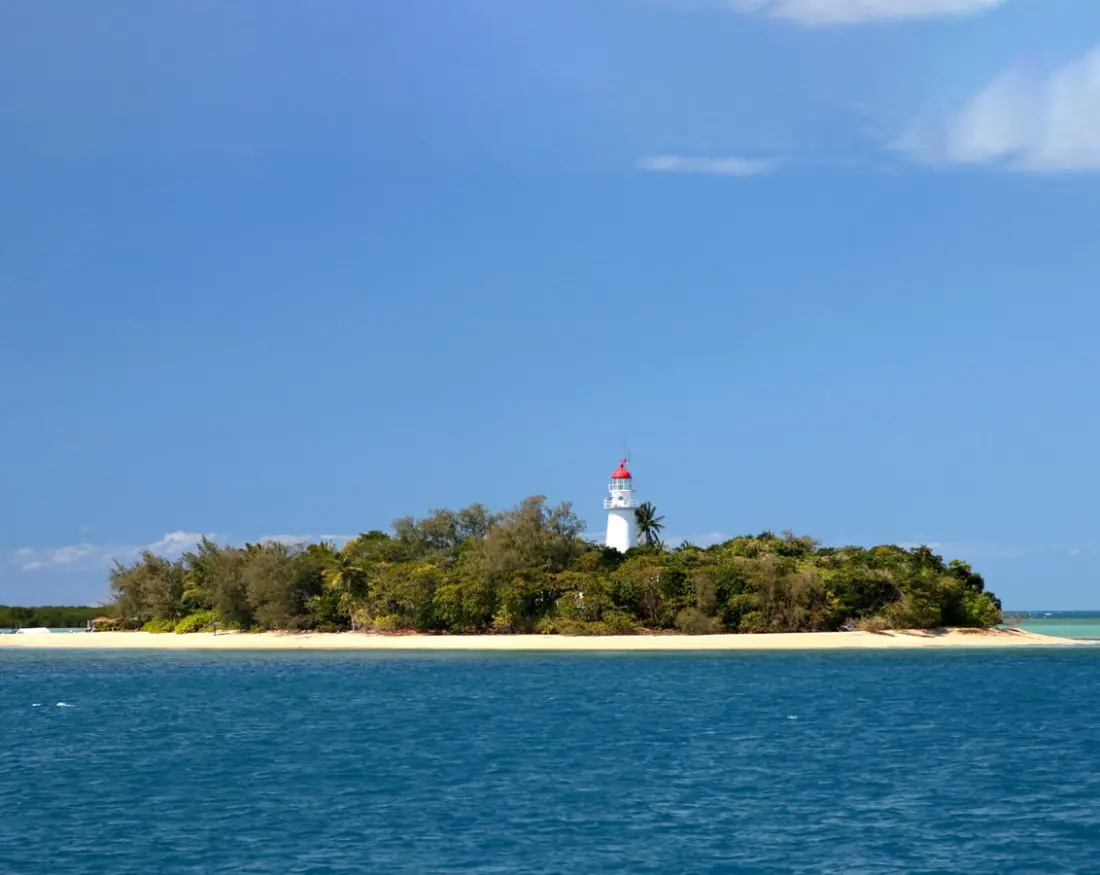
On Low Island, a coral cay about 15km north-east of Port Douglas, a red-and-white lighthouse has been guiding ships since 1878. Beside it, in a simple grave on the western shore, lay Jane Ann Owen, wife of the lightstation's first superintendent. When coastal erosion brought the tide within reach of her headstone, a two-year project set out to save her — and ended up resurrecting her story.
By 2022, shifting sand and storms had eaten away the beach so severely that the Great Barrier Reef Marine Park Authority and Queensland's environment department faced a choice: let the sea take the grave, or exhume and rebury the remains inland. They chose the latter, with advice from Eastern Kuku Yalanji and Yirrganydji cultural advisers and help from volunteers. When the first dig began in November 2023, nobody was even sure the grave held a body rather than just a memorial. A single bone fragment proved otherwise.
A second excavation in September 2024 uncovered a small, well-preserved woman buried east to west in the traditional Christian manner, wrapped in a blanket with a small metal plate placed on her chest. Her bones told a hard life: scoliosis, arthritis, a congenital knee problem and poor teeth. But inside her mouth was a gold dental plate with porcelain teeth — a sign, archaeologists argue, that she had once been reasonably affluent, a striking contrast with her plain grave.
Jane's life reads like frontier fiction. Born in Northumberland, England in 1836, she sailed to Australia aged 36 aboard the immigrant ship Great Queensland, where she met Welsh mariner Daniel Hugh Owen. They married three days after docking in Brisbane. In 1878 the family moved to Low Island, where Daniel became superintendent of Far North Queensland's first lighthouse. Life was brutally isolated — supplies arrived by boat every few weeks, and when their daughter Susie fell ill with whooping cough, the couple signalled distress with two large fires. Jane died of tuberculosis in 1880, aged 42, after a nine-day illness, and was buried the next day. Daniel stayed on, remarried, and served until 1899.
Jane's remains were reburied with remarkable care — plastic and wooden tools only, a 2mm sieve for tiny bones, her sediment returned beneath her, and an Anglican minister on hand to recommitted her to the earth. Interpretive signage telling her story is being developed for the island, whose lighthouse still operates, though unmanned.
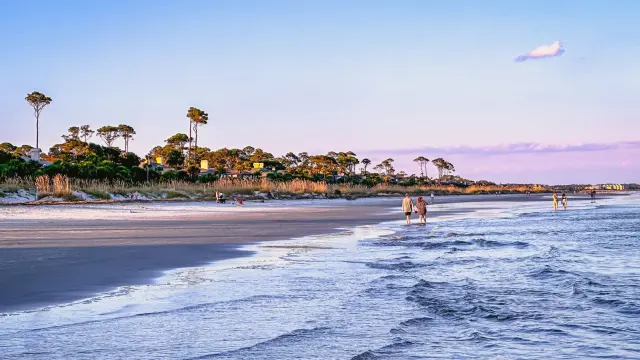
For travellers, this adds a human layer to one of the reef's prettier day trips. Tour boats reach the Low Isles daily, and the 22 hectares of reef around Low and Woody Islands host 150 hard coral species, parrotfish, clownfish, turtles and bright white sand. Snorkel the reef, walk the shore past the old lightstation, and from later this year you'll be able to stand at Jane's grave and picture a frontier family keeping the light burning alone in the 1870s.