A new analysis out of Astana sketches a striking picture of how a warming climate may redraw the population map of Central Asia — and the numbers are bigger than most people would guess. According to the World Bank's 2021 Groundswell report, cited by climate advocate Nugzar Kokhreidze, up to 2.4 million people could be forced to move within their own countries in the region by 2050 under a pessimistic scenario. Even under more optimistic models involving lower emissions and inclusive development, the figure stays between 1.7 and 1.9 million.
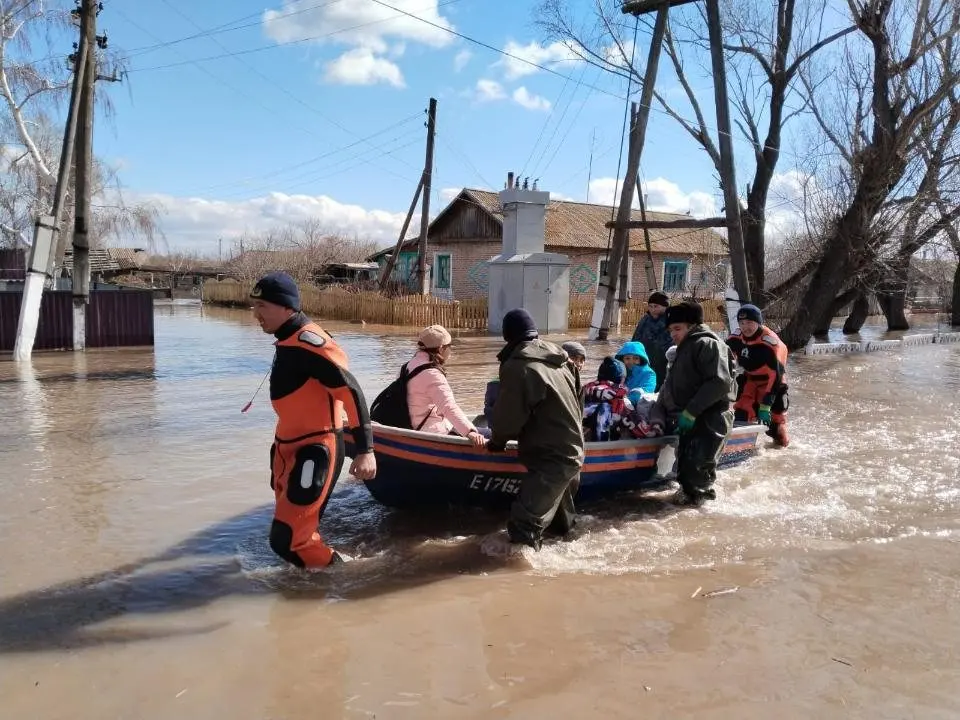
The mechanics are simple: heat, drought and shrinking water supplies erode harvests and pastureland, which erodes incomes, which eventually pushes families to move. What makes this hard to track is that climate rarely gets named on the paperwork. People usually leave for "economic reasons" — but as Kokhreidze puts it, drought and water scarcity often sit behind the economics. There's no clean category of "climate migrant", and the evidence tends to come from disasters and degradation rather than official statistics. Kazakhstan's 2024 floods, which triggered nearly 120,000 evacuations, and the slow-motion collapse around the Aral Sea in Karakalpakstan are the clearest examples.
Geographically, the projections split the region in two. The World Bank flags the Ferghana Valley, the areas around Tashkent and Dushanbe, and parts of Kazakhstan including Astana, Karagandy and Kostanai as likely destinations, where water and crop conditions may hold up better. On the way out: southern Kazakhstan, the lands around the Ferghana Valley in Uzbekistan and Tajikistan, and the area near Bishkek. None of this factors in the longer-term wildcard — glacier melt, which feeds the rivers the whole region depends on.
The pressures aren't unique to Central Asia. In Georgia, dozens of villages have been abandoned to landslides over four decades, with Adjara and Kakheti among the exposed areas. Armenia's Ararat Valley faces water stress that could push 12,000 to 52,000 internal migrants toward Yerevan by 2050 on IOM projections. Globally, the IDMC counted 29.9 million disaster displacements in 2025, down from a record 45.8 million in 2024.
One counterintuitive finding matters for anyone thinking about these regions: research from Stanford scholar Hélène Benveniste suggests middle-income households are the most likely to move, because moving costs money. The poorest often stay put — not because they're safe, but because they can't leave. Researchers call it "involuntary immobility", and it means quiet villages aren't necessarily unscathed ones.
For travellers, this is context worth carrying. The Ferghana Valley's bazaars, Karakalpakstan's ship graveyard at Moynaq, Kyrgyz and Tajik glacier-fed valleys — the places people visit are the same places these shifts are playing out. Understanding the water stress behind a dying lake or an emptying mountain village turns a sightseeing stop into a genuine story. The piece ends on an open question for the region's governments, and it's a fair one for visitors too: the Central Asia of 2050 may look demographically quite different from the one on current guidebook pages. — The Astana Times