Forty years on, fans of Crocodile Dundee are still turning up in Kakadu National Park, hunting for the exact spots where Paul Hogan's Mick Dundee charmed American journalist Sue Charlton on screen. One of the most recognisable is Anbangbang Billabong, a wetland framed by sandstone cliffs that featured in the famous scene where Dundee swaps his shaving razor for a massive knife to impress Sue. Finding the specific tree from that shot takes a bit of detective work these days — the sandstone backdrop hasn't moved, but four decades of growth in the Top End means the finer details take a local's eye to pin down.
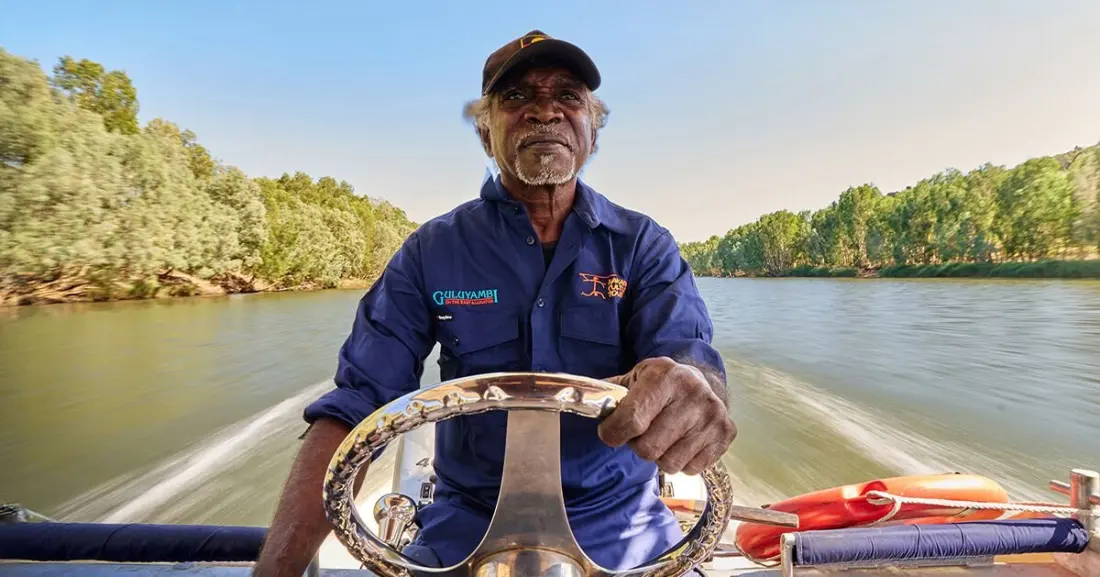
That's where Aboriginal guides come in. Kakadu is not just a film set; it's living Country, jointly managed by its Traditional Owners and Parks Australia, and Bininj/Mungguy guides can read the landscape in ways no movie location map can. A wetland like Anbangbang isn't merely a pretty backdrop — it's a place with names, seasons, food sources and stories that stretch back tens of thousands of years, far beyond 1986.
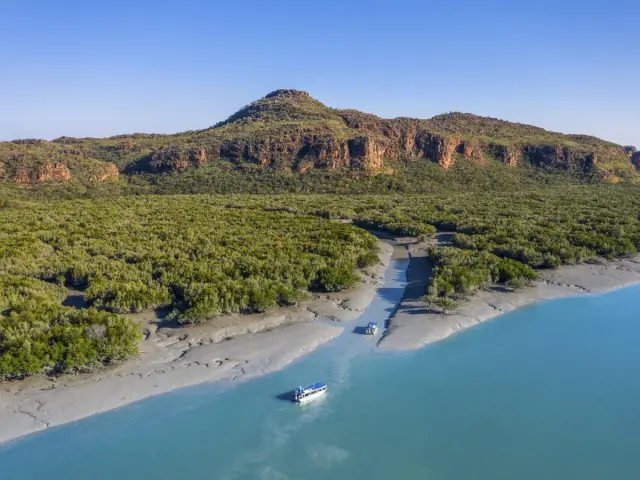
For travellers, that reframes the whole visit. You might arrive chasing a cinematic moment, but you leave with something richer: an understanding of why this corner of the Northern Territory looks the way it does. The park is enormous — roughly the size of Slovenia — and packed with more than just billabongs. There are ancient rock-art sites like Ubirr and Nourlangie (Burrungkuy), crocodile-filled waterways, waterfalls such as Jim Jim and Twin Falls, and a wet season/dry season rhythm that completely changes what you'll see.
The practical takeaway is simple: if Kakadu is on your list — whether for the movie pilgrimage or the rock art — going with an Aboriginal-owned or Aboriginal-guided tour is the way to do it. You'll get the filming locations, yes, but also the cultural context that turns a photo op into an actual education. And in a park where crocodiles, seasonal flooding and unsealed roads are all real considerations, local knowledge isn't just enriching. It's useful.
Crocodile Dundee put this part of Australia on the global map, but the people who've lived here for millennia are the ones who can truly explain it. Come for the movie nostalgia; stay for the oldest continuous culture on Earth.