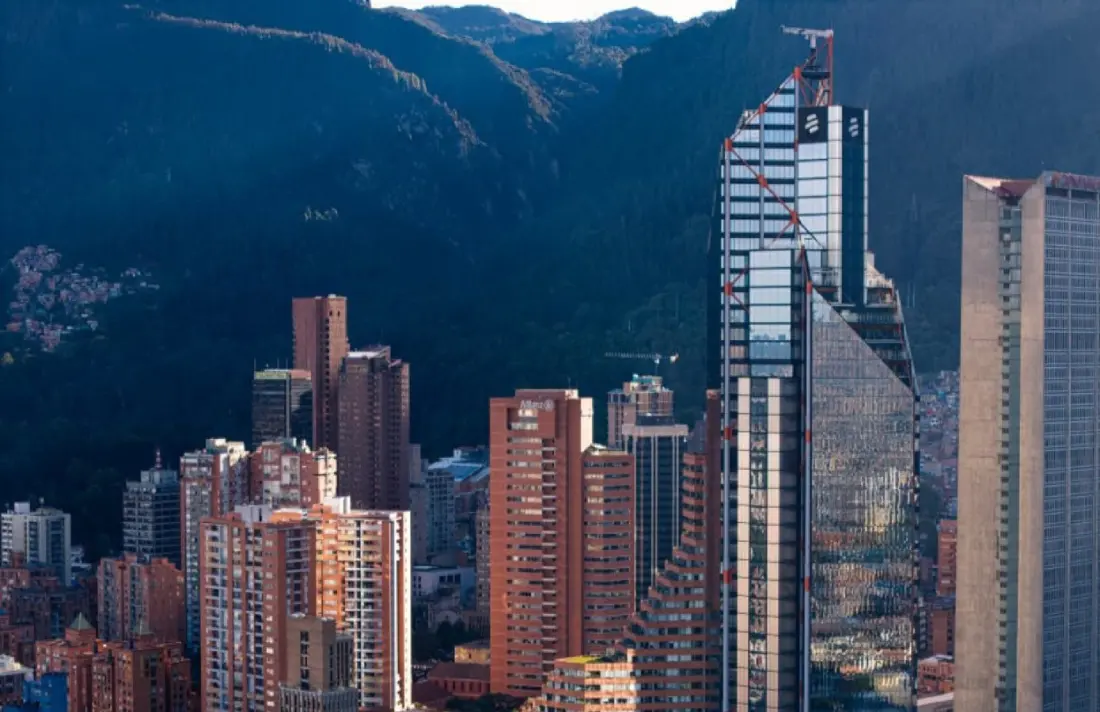
Colombia's capital cities hold roughly 47% of the national population, so when UNDP Colombia and Asocapitales (the Colombian Association of Capital Cities) rolled out a new risk guide for all 32 departmental capitals, it was a big deal for anyone living in — or travelling to — the country.
The tool is an ABC guide aimed at mayors and their teams, built to get ahead of the 2026-2027 El Niño event. It focuses on the basics that matter most when a hot, dry spell bites: keeping water flowing, pre-empting fires, and making sure hospitals and essential services stay running.
What makes it more than a PDF nobody reads is its structure. The guide maps out 19 risk scenarios — from dwindling water sources and drinking-water shortages to vegetation fires, worse air quality, heat stress, vector-borne diseases and food security problems. At its core sits a decision-making traffic light with three stages: yellow for preparedness, orange for anticipatory action, and red for crisis response. Crucially, there is no one-size-fits-all trigger; each city sets its own thresholds based on its water sources, local risks and response capacity, working with utilities and technical teams.
Recommended actions include regular water supply-and-demand assessments, lining up alternative water sources, updating contingency plans, checking that hospitals have backup water and power, and reviewing fire departments' operational readiness. The measures span eight areas — water security, fires, energy and critical services, public health, food security and social protection, governance, risk communication and recovery — tracked on a monitoring dashboard with weekly or biweekly check-ins.
One caveat worth knowing: El Niño doesn't switch off the rain. The guide stresses that cities must brace for both shortages and the opposite — heavy downpours, flash floods and landslides — depending on the region. Asocapitales is also pushing for closer coordination between mayors' offices, utilities, environmental authorities and emergency agencies, with extra attention on vulnerable communities.
For travellers, the relevance is straightforward. El Niño years in Colombia typically mean water rationing in some cities, hazy air from wildfires, and hotter days — all things that can shape a trip. If you're planning city-hopping during 2026 or 2027, it's worth checking local water restrictions and air quality before you go, packing for heat, and building some flexibility into itineraries around remote or forested areas where fire risk is higher. Cities that follow this roadmap should handle disruptions better, but conditions can still change quickly.