One week after a 7.4-magnitude earthquake struck western Colombia, the official toll stands at 289 dead and more than 4,100 injured, with dozens of families homeless and hundreds still missing. The departments of Chocó and Valle del Cauca and the coffee region around Pereira have been hit hardest, and recovery looks set to take months, not weeks.
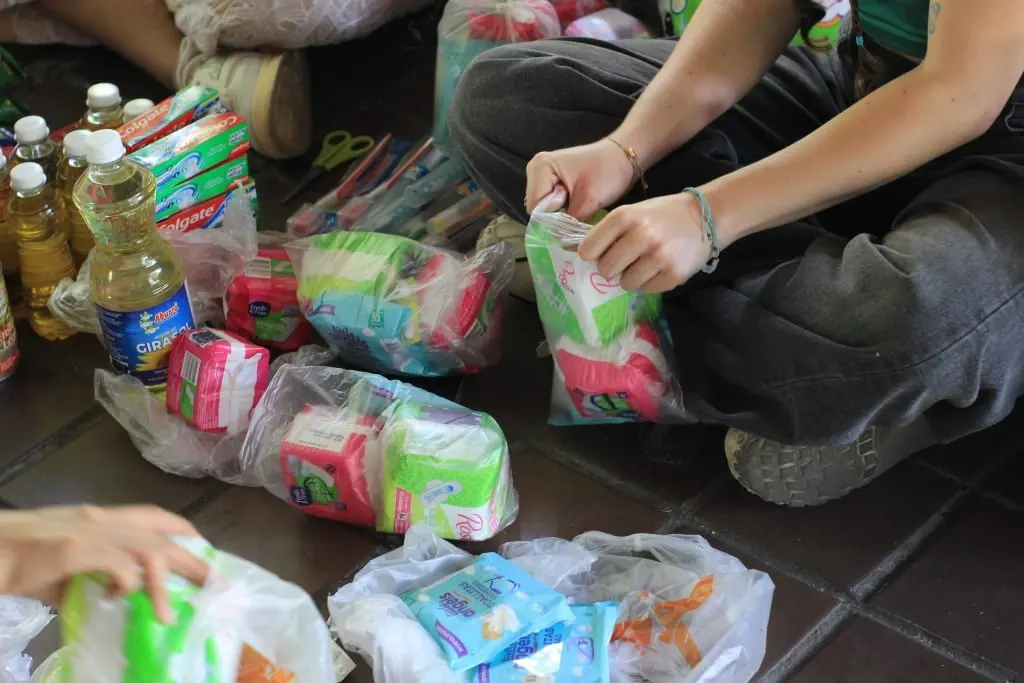
What has stood out in the days since is the scale of the civilian response. In Pereira, residents have run collection centres even as their own city lies in ruins — one café owner, Alejandro Giraldo, has been clearing debris while organising shipments of tools, food and supplies from Popayán. In Medellín, a student collective called Afroudea has set up a donation point at the University of Antioquia focused on Chocó, one of Colombia's most historically neglected regions. A grassroots effort known as SOS Chocó is flying and driving aid — medicine, food, sanitary items, construction materials — into the region daily, with support networks in Cali, Cartagena and Barranquilla.
Bogotá has become a logistics hub of its own: four official collection points, including a stadium car park, have gathered 344 tons of donations, with thousands of volunteers sorting and loading supplies. All 82 of the country's blood banks hit full capacity this week, professionals from engineers to psychologists have travelled to help, and benefit concerts are being organised, headlined by Karol G. Footballers including James Rodríguez and John Arias have launched their own relief initiatives.
For anyone with a trip planned to Colombia, the practical picture is still forming. The coffee region — Pereira, Manizales, Armenia — is a major draw for travellers, and parts of it are dealing with serious damage, disrupted roads and strained local services. If you're heading to that area soon, check route conditions and local advisories before travelling, expect some hotels and tour operators to be affected, and be mindful that communities there are grieving. If you're already in the country, the most useful thing you can do is donate through established channels rather than travelling independently into disaster zones, which can add pressure to overwhelmed local infrastructure. Chocó in particular needs sustained, long-term support rather than one-off visits.
This story matters for travellers because it reshapes the map for the next few months: Bogotá, Medellín and Cartagena are functioning as normal, while parts of the coffee region and the Pacific coast need time. Travelling respectfully, adjusting itineraries where needed, and supporting local businesses as they reopen are the best ways visitors can help Colombia bounce back — a country that, as the past week has shown, shows up for its own.
Additional reporting by Angie Acosta M.