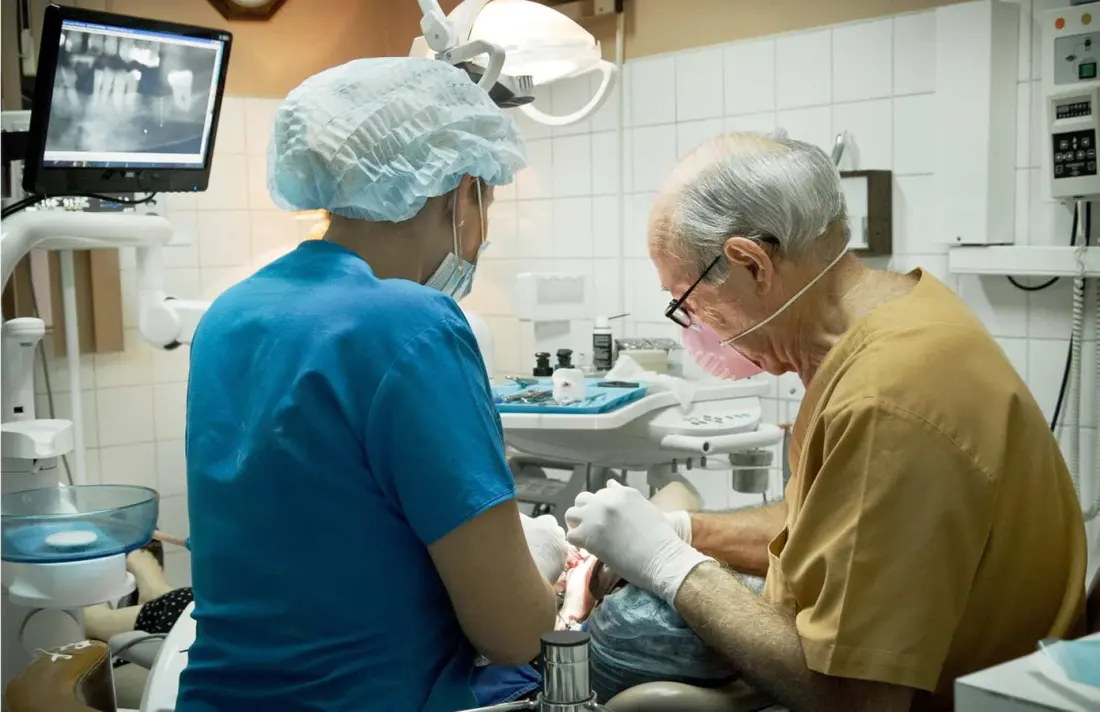
Costa Rica's private clinics are seeing just as many foreign patients as before, but each visit now earns less. The Costa Rican Chamber of Health says medical tourism revenue has fallen 10% to 15%, not because demand has cooled, but because the US dollar has slid hard against the colón.
The math is simple. Clinics bill international patients in dollars, yet pay salaries, rent and suppliers in colones. The dollar closed at 452.62 colones this week — more than 50 colones below the same date last year and over 200 below mid-2022, when it traded near 700. On a $10,000 treatment package, that gap means roughly 500,000 fewer colones per patient than a year ago.
The sector is far from small. Central Bank figures put medical tourism at about $465 million a year, generated by 70,455 medical tourists spending an average of $6,600 each. Over two decades, the chamber reckons the trade has brought in around $9.3 billion across 1.4 million patient visits.
Demand drivers remain intact. About 94% of patients come from the United States and Canada, where healthcare costs stay high and employer health insurance remains a major expense after payroll. Chamber executive director Massimo Manzi says that pressure keeps pushing patients south. There's a subtler tourism angle too: Roberto Herrera, the chamber's first vice president, notes that a meaningful share of older visitors choose Costa Rica partly because they know quality private care exists locally if something goes wrong — no medical evacuation required.
The currency squeeze reaches beyond hospitals. An analysis of Central Bank data found tourism earned record foreign currency in the second quarter of 2026, yet that translated to about 601 billion colones — 7.7% less than a year earlier, when the dollar bought roughly 505 colones instead of 455.
For travellers, the picture cuts both ways. Costa Rica is becoming more expensive for anyone paid in dollars, so budget accordingly, especially for elective procedures quoted in dollars. But the underlying proposition — first-world private care at a fraction of US prices, in a country people actually want to visit — is unchanged. The chamber insists the exchange rate hasn't dented its reputation, and the country formalised the sector in 2023 through Law 10.320, which regulates health tourism and puts the chamber on the oversight commission. Wellness tourism around the Nicoya Peninsula, one of the world's famed longevity zones, is being developed as a companion draw for high-spending visitors.
So if you're weighing dental work, cosmetic surgery or a knee replacement abroad, Costa Rica still makes the shortlist. Just expect the quote to sting a little more than it did in 2024 — and know the clinics, not you, are absorbing most of that difference.