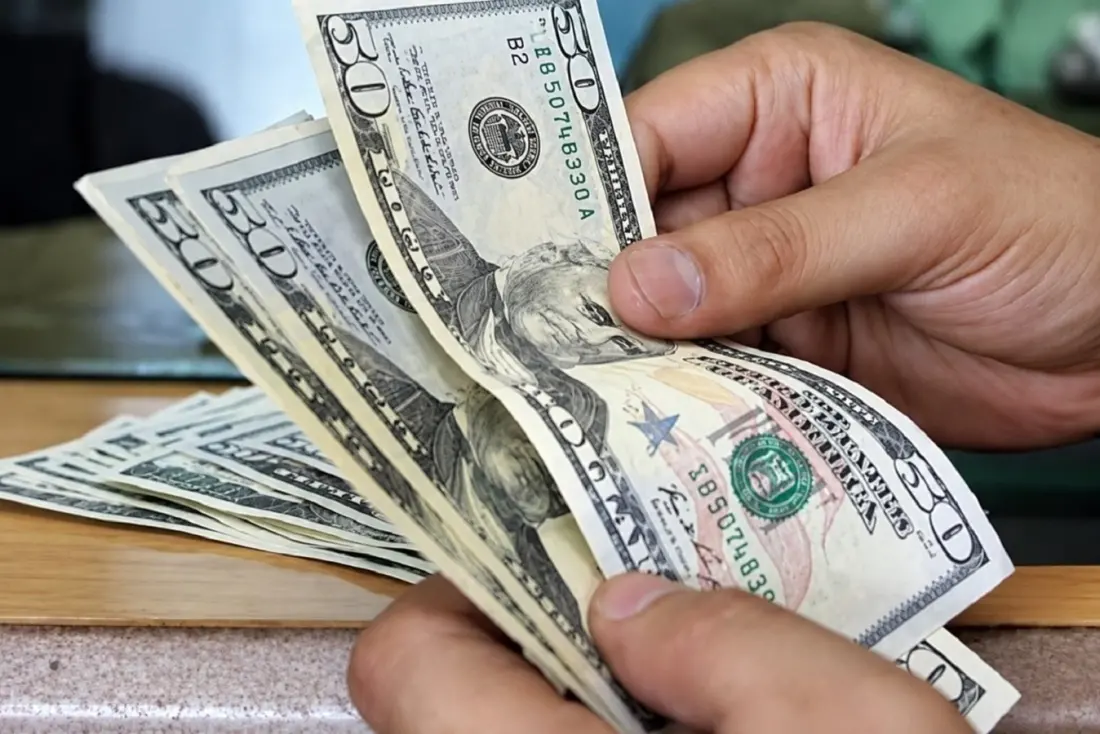
The US dollar is having a big week in Colombia. On Wednesday, November 25, it climbed as high as 3,691 pesos in early trading before settling around 3,630, and the official Representative Market Exchange Rate (TRM) for November 26-27 was set at 3,630.89 pesos. That caps a rapid two-day run: the dollar jumped roughly 86 pesos on Tuesday alone, after a 44-peso gain on Monday — more than 130 pesos added in two sessions, one of the sharpest moves the Colombian foreign exchange market has seen recently.
So what's driving it? A mix of external and domestic pressure. Abroad, markets expect the US Federal Reserve may keep rates high — or even hike again in December — as inflation lingers. Higher US rates make dollar assets more attractive and tend to pull capital out of emerging markets like Colombia, while general risk aversion is sending investors toward safer assets. At home, investors are uneasy about the government's fiscal picture: the still-unapproved Fiscal Rescue Law, financing needs, and a public deficit that's proving hard to control. Oil prices matter too — Colombia is a major crude exporter, so any dip in prices would cut dollar inflows and weaken the peso further.
The direction from here is uncertain. Some analysts think the dollar's gains could moderate by the end of November, but volatility is high and a few financial institutions are already betting the rate could break 3,800 pesos before the year is out. For now, the trend is firmly upward.
Why should travellers care? Because the exchange rate directly shapes what a Colombia trip costs. If you're paid in dollars, euros or pounds, a weaker peso stretches your budget noticeably further — hotels, restaurant meals, domestic flights and coffee-region tours all effectively get cheaper relative to prices quoted in pesos. Travellers who planned trips months ago at a rate of, say, 3,500 pesos to the dollar are now getting around 3,600-plus, roughly a 3-4% boost. Anyone considering a Colombia trip in the coming weeks may find it a favourable moment to lock in accommodation, flights or multi-day tours priced in local currency, especially if analysts expecting further peso weakness are right.
A few practical notes. The TRM is the official reference rate used widely across the country, so check the day's TRM before exchanging money. Rates at airport casetas and hotel desks are usually worse than at city exchange houses or ATMs, and card payments often give a rate close to the interbank rate plus your bank's fee. Given the current volatility, it's worth avoiding changing large sums at once — spread exchanges across your trip so a sudden swing works in your favour rather than against you.
For anyone planning a Colombia itinerary — Bogotá's museums and food scene, Medellín's neighborhoods, the Caribbean coast around Cartagena, or hiking in the coffee hills — the current rate is a genuine tailwind. Just budget in pesos, keep an eye on the daily TRM, and remember that a fast-moving currency can soften as quickly as it strengthened.