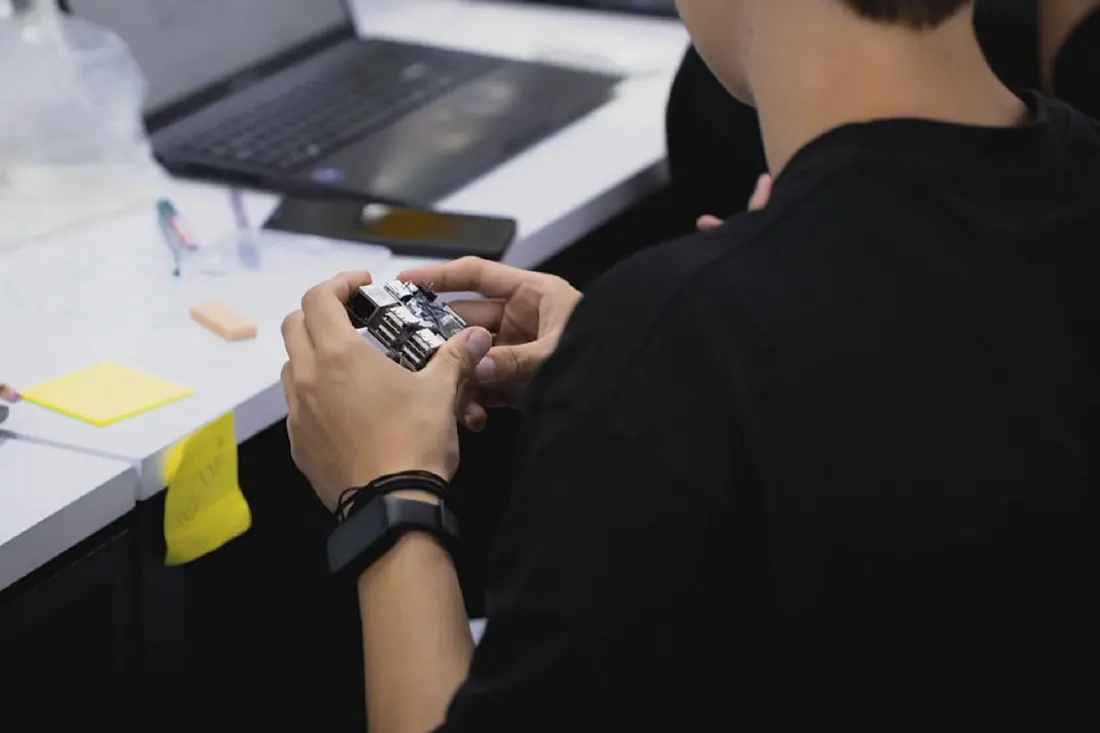
An August 10 earthquake in Colombia's coffee-growing region killed more than 300 people and left around 260,000 affected. The disaster also knocked out 119 rural water systems, leaving 6,423 people without safe drinking water and driving up stomach-related illnesses. Out of that crisis has come something unexpectedly forward-looking: a student hackathon at the National University of Colombia's Manizales campus, where teams turned lab knowledge into working prototypes for disaster response.
The standout winner was a portable water purification suitcase built by the GICAP team. Running on solar power and manual pumping, it treats 25 litres of water at a time — settling out heavy particles, filtering, then disinfecting with ultraviolet light. It's designed for exactly the scenario an earthquake creates: shelters full of people and no working mains supply. The team has a 90-day testing plan and cost calculations already drawn up.
Second place went to a solar-powered community communication hub. It creates a local network that phones can join without internet or apps, letting people in affected areas send organised requests straight to the Unified Command Post that coordinates emergency response — no more jammed phone lines or duplicated pleas for help. A pilot test in Manizales is planned within 90 days.
Third place, and a 2-million-peso incentive, went to Blue Planet's water treatment system, which installs in 48 hours and needs no electricity at all: it uses the natural flow of water to filter it, then disinfects with a continuous chlorine drip. It also monitors water quality in real time and alerts health authorities. A pilot plant is earmarked for a rural village in Caldas in 2027.
Other ideas filled the gaps around water and connectivity. A team from the Free University of Pereira built a routing tool that combines risk alerts, road closures and cargo restrictions to get aid convoys moving on viable roads, with a Telegram chat assistant called Manny to reroute drivers on the fly. Fifth-placed Fourier Andina worked a UNAL patent for potato-peel-powered batteries into a portable emergency kit — local-network messaging, an SOS button and three to five days of backup power from solar and batteries.
Why should travellers care? The coffee region — Manizales, Pereira and the surrounding hills of Caldas — is one of Colombia's most-loved areas for its haciendas, cloud forest and hillside trails, and it's exactly the kind of terrain where landslides and quakes can cut roads and water. A region investing in resilient infrastructure and rapid-response tech is one that will reopen, and stay open, more confidently after disasters. If you're planning a trip there, it's a good reminder to carry some offline maps, know your route alternatives, and travel with a power bank — the same problems these students are engineering away.
The hackathon wasn't a one-off pitch contest: it was structured as a training and validation process so projects move past the presentation stage, which is often where good disaster-tech ideas quietly die. Watching which of these pilots actually deploy in Caldas over the next couple of years will tell you a lot about how prepared the region will be next time.
Colombia One