A bear that followed and circled a hiker for nearly 30 minutes near Apex Park in Golden — Colorado's first reported bear attack of 2026 — kicked off a year wildlife officials are watching closely. By the preliminary count, the state has logged over 6,000 bear encounters in 2026, more than double last year's figure, and ten attacks. The culprit isn't a more aggressive bear population: drought, wildfires and badly timed frosts have wiped out the natural forage bears rely on, pushing them toward human food sources.
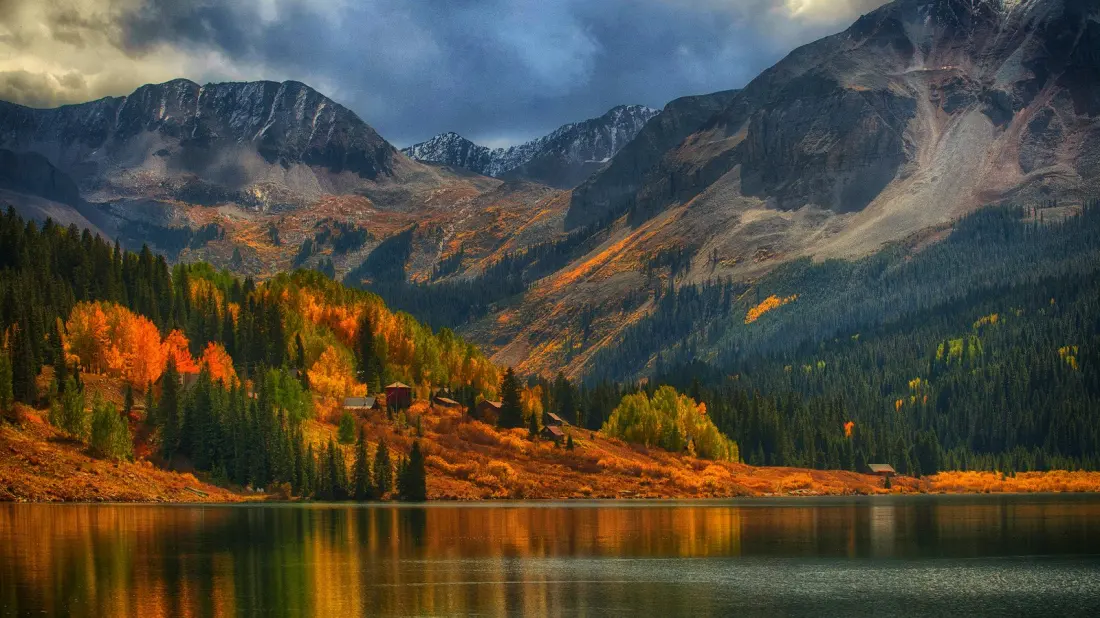
The timing matters because autumn is peak season for Colorado tourism. Fall is when the state's aspens turn gold — often earlier than foliage hotspots elsewhere — and it coincides with hyperphagia, the pre-hibernation phase when bears pack in up to 20,000 calories a day. A hungry bear that has learned to associate people, coolers and trash cans with meals is a bear more likely to wander into camp.
Perspective is still worth keeping. Colorado Parks and Wildlife notes the state has recorded just 105 bear attacks since 1960, against more than 96 million visitors in 2025 alone. Black bears — the only species in Colorado — are not naturally aggressive, and most problems stem from food left where bears can get it. But the risk isn't evenly spread: encounters cluster west of the I-25 corridor, with Pitkin County (home to the popular foliage village of Snowmass), Routt and La Plata among the busiest, and El Paso County straddling the line.
None of this means cancelling a trip. The basics are simple: use bear-proof canisters and campground lockers, keep scented items — toiletries, cooking clothes — away from where you sleep, and avoid pitching camp near streams, berry patches or acorn stands. In a car or RV, lock up and stash food and coolers inside, since bears have learned to recognise coolers as dinner. Travellers who'd rather skip the variables entirely can take in the autumn colours from the Durango & Silverton scenic train instead.
Colorado's fall colour window is short and spectacular, and it's still very much worth the trip — just pack the same respect you'd bring to grizzly country and give wildlife its space.