A decade in Vietnam changes a person. Kyler, a South African now married to a Vietnamese wife and fluent in the language, sat down with a reporter in Pretoria to explain how he went from curious foreigner to something of a cultural ambassador between the two countries — and his story doubles as a masterclass for travellers who want to connect rather than just visit.
His starting point wasn't a guidebook or a tour itinerary. It was greetings. He learned how to say hello properly, and that tiny effort unlocked everything: locals corrected his pronunciation, told him about their families, and drew him into daily life. His guiding idea is a saying he picked up somewhere along the way — speak to someone in English and you reach their head; speak their mother tongue and you reach their heart.
Asked what sells Vietnamese culture hardest abroad, he answered without hesitation: food. His wife's cooking wins over friends back home in South Africa, and when he brought phin coffee to the office, colleagues kept coming back for more. He also points to contemporary Vietnamese art, where young creators mix traditional materials with modern sound — though he'd like to see better English subtitles and more insider content creators helping outsiders make sense of it all.
On preservation, he draws lessons from home. Cape Town's District Six Museum works because the people who lived that history tell it themselves, and Robben Island and Constitution Hill turn painful chapters into education. He reckons Vietnam's heritage towns — Hội An and Huế — are doing exactly the right thing: managing tourism and protecting relics while keeping the resident community's everyday life intact. That balance, he notes, is the hard part, especially funding it long term.
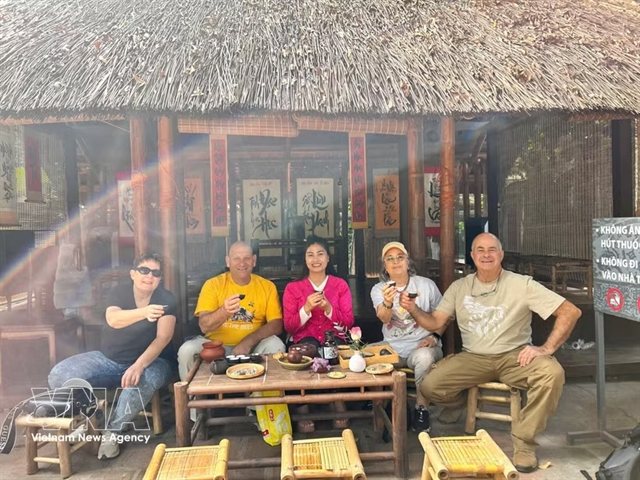
For a traveller, there's real practical wisdom here. The warmth he describes — strangers pressing fruit and tea into your hands, asking genuine questions and actually listening — is the same hospitality you'll meet in a Hanoi tea shop or a Hoi An cafe. Learn a handful of Vietnamese phrases before you go and the trip changes shape entirely: street vendors become conversations, and you stop feeling like an observer. Food is your fastest route in, whether that's lotus-scented tea by Hanoi's West Lake, a bowl of regional pho, or strong phin coffee in a plastic stool cafe. And if heritage matters to you, Hội An and Huế are living proof that an old town can stay a real neighbourhood rather than a museum set.
Who's this for? Slow travellers, first-timers nervous about the language gap, and anyone who cares about travelling in a way that leaves the local community better off. Vietnam rewards the effort like few places do — and Kyler's ten years are the evidence.