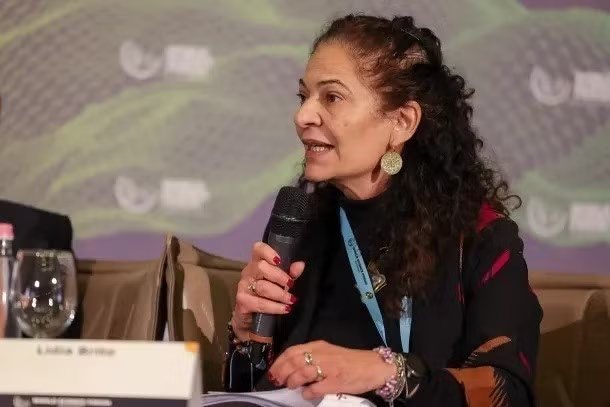
Vietnam has quietly become one of UNESCO's most active partners, and its standing is about to grow further. Lidia Brito, UNESCO's Assistant Director-General for Priority Africa and External Relations, says the country is expected to lead implementation of the International Decade of Culture for Sustainable Development, a global initiative running 2027-36 that Vietnam itself proposed. A formal 2026-30 cooperation agreement is set to be signed in December when UNESCO Director-General Khaled El-Enany visits Hanoi, alongside a country strategy for 2027-31.
The numbers behind the partnership are striking. Since joining UNESCO in 1976, Vietnam has secured nine World Heritage sites, 17 intangible cultural heritage listings and four cities in the Creative Cities Network. It served on UNESCO's Executive Board from 2021 to 2025 and is a member of the World Heritage Committee.
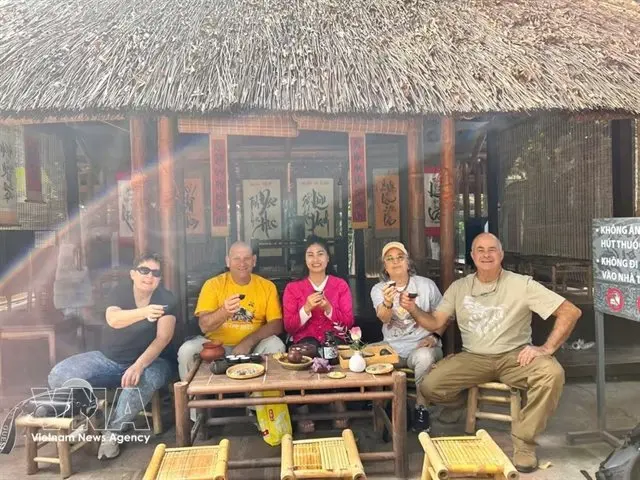
For travellers, the heritage story is the practical one. Brito singled out Huế, Hội An, Hạ Long Bay–Cát Bà Archipelago and the Tràng An Landscape Complex as places where conservation and local economic development work together — with Tràng An praised specifically for community-led, sustainable tourism. That matters on the ground: expect better-managed sites, more community-based tours and guides with a stake in protecting what you've come to see. The recent Asia-Pacific Dialogue on Heritage and Authenticity, held in Hanoi and Ninh Bình, produced the Hà Nội Document, positioning Vietnam as a voice on how heritage should evolve.
There's more to come. UNESCO's next phase in Vietnam includes training teachers in digital technology and AI ethics, sustainable livelihoods in biosphere reserves, preserving ethnic minority languages, and helping young journalists spot misinformation. After storms in 2024 and 2025, the organisation also mobilised over 830,000 USD to protect schools and heritage sites — a reminder that some sites you visit are actively being restored.
If you've been waiting for a sign to plan a Vietnam trip built around culture rather than just beaches, this is it. The decade ahead should mean heavier investment in heritage sites and creative industries, so earlier visits to places like Tràng An and Huế offer a look at Vietnamese heritage before the spotlight widens.