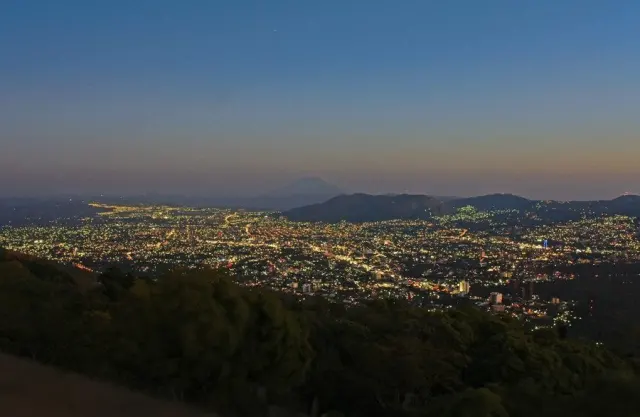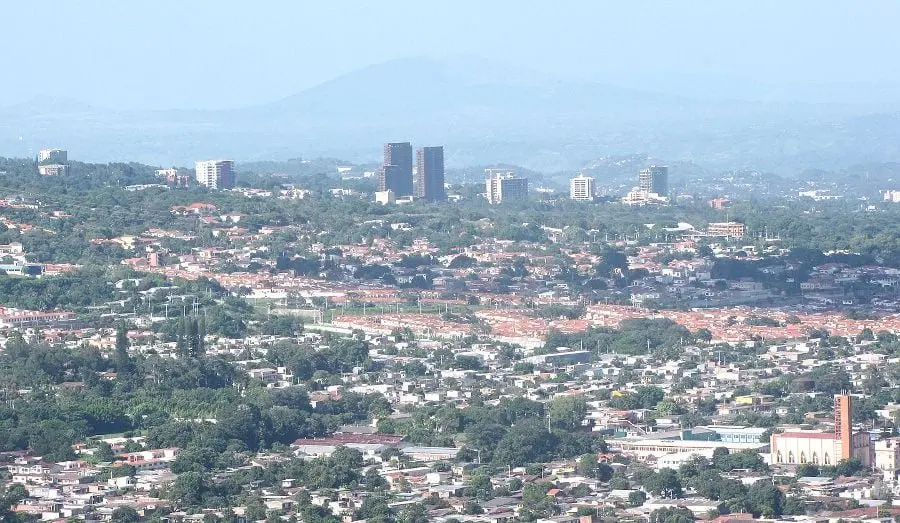
Most visitors to El Salvador rush through San Salvador or head straight for the surf beaches. They often miss Santa Tecla, a city of roughly the same metro sprawl but a very different feel, sitting at the foot of the Bálsamo mountain range just west of the capital.
The city has an unusual origin story. After a major earthquake destroyed San Salvador in 1854, authorities founded a replacement settlement here, initially called Nueva San Salvador. It briefly served as the national capital before San Salvador took the role back. Coffee money and commerce then shaped the town, leaving it with churches, public buildings and traditional houses that still line the historic centre today.
That centre is the reason to come. It's compact and walkable, and most of the main sights sit within easy strolling distance. Paseo El Carmen is the social heart — a pedestrian-friendly strip of restaurants, cafés and cultural events that gets properly lively on evenings and weekends. Nearby, the Gothic-inspired El Carmen Church is the city's most photographed landmark, its ornate exterior worth a stop even if you never step inside.
A short walk away you'll find Daniel Hernández Park, a traditional gathering spot surrounded by shops and civic buildings, and the Palace of Culture and Arts, a handsome historic building hosting exhibitions and community events. For green space, El Cafetalón Park is the local favourite: walking and cycling paths, sports fields, playgrounds and swimming pools, packed with families on weekends. It's as much a slice of everyday Salvadoran life as a tourist attraction — which is exactly its appeal.
Nature is close too. El Boquerón, the crater at the top of San Salvador volcano, is nearby and offers cooler air, viewpoints and volcanic scenery. From Santa Tecla it's also straightforward to continue into the western highlands or back down to the coast.
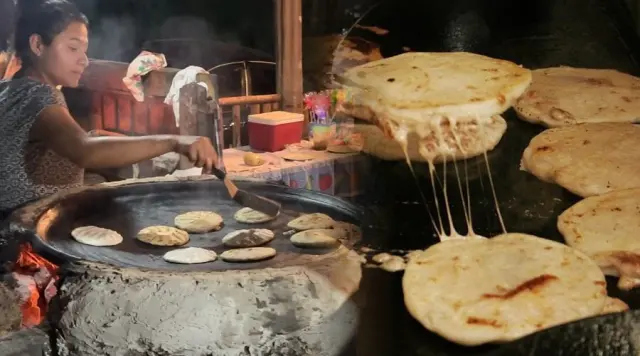
Food-wise, this is proper pupusa country, as you'd expect anywhere in El Salvador. Paseo El Carmen concentrates the best dining — traditional dishes, grilled meats, pastries and good coffee — though smaller neighbourhood restaurants away from the entertainment strip are often more rewarding. The city also has modern shopping centres alongside traditional markets, and unlike the beach towns its rhythm is set by residents, not tourists: schools, universities and offices keep it running year-round.
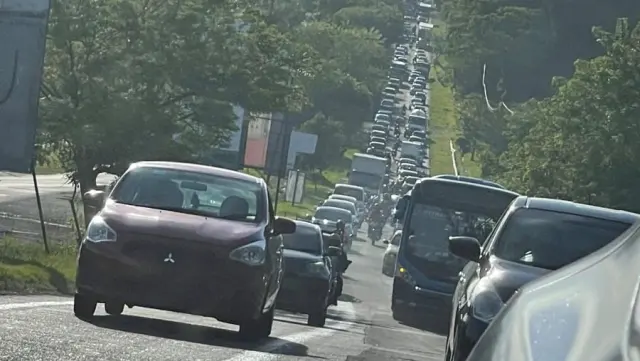
One practical note: Santa Tecla connects to San Salvador via the Pan-American Highway, but rush-hour traffic can turn a short trip into a slow one. Time your transfers outside morning and evening peaks.
Who is this for? Travellers who want urban El Salvador beyond the capital — history, food and a genuine local scene — without sacrificing convenience. It works as a day trip from San Salvador, but staying a night or two lets you enjoy Paseo El Carmen after dark and use the city as a base for El Boquerón and the highlands. If your itinerary is all beaches and volcanoes, Santa Tecla adds the missing city layer to the trip.
Story based on reporting from El Salvador Info.