A fibre line accidentally cut at a New Jersey construction site knocked out key radar and radio links at the Philadelphia Terminal Radar Approach Control (TRACON) facility, prompting the FAA to halt inbound flights at some of the busiest airports on the US East Coast.
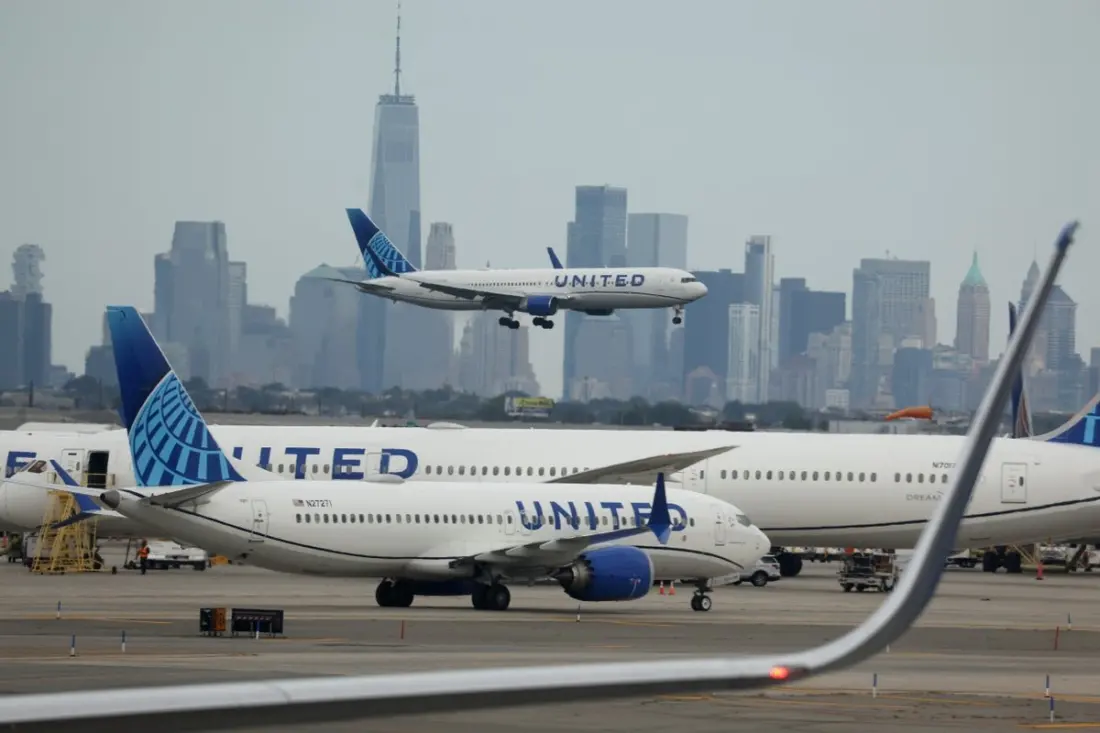
Ground stops began at Newark Liberty, Philadelphia and Teterboro, then widened to JFK, LaGuardia and Boston Logan as the FAA scrambled to restore communications. By 1 p.m. ET, flight tracker FlightAware counted more than 600 delays at Newark and Philadelphia alone — roughly a fifth of their schedules — with some flights diverting mid-air. That matters beyond the immediate chaos: Newark is a major United Airlines hub and Philadelphia is a cornerstone of American Airlines' network, so cancellations ripple across connecting itineraries nationwide.
FAA Administrator Bryan Bedford said a replacement circuit would be up and running shortly, but could not say exactly when the ground stops would lift. The timing was awkward. New York is hosting the UN General Assembly's high-level week, with 130 world leaders and dozens of ministers flying in under heavy security already complicating arrivals.
The failure also has an uncomfortable history. Philadelphia TRACON guides approach and departure traffic across the region, and it suffered a major telecoms outage in 2024 that disrupted radar displays and communications. Newark's guiding facility endured a string of serious communication failures in May 2025. Congress has since approved $12.5 billion to modernise the aging air traffic control system and hire more controllers, though Monday's incident shows how fragile the current setup remains.
The US was not alone. Across the Atlantic, a connectivity fault at NATS' Prestwick centre in Scotland grounded flights at Edinburgh, Leeds Bradford, Belfast and Manchester — the second UK air travel meltdown within a month, after a software fault caused widespread disruption on September 8.
For travellers, the lesson is practical rather than alarmist. If you are flying into or out of the New York, Philadelphia or Boston area during a disruption window, check your airline's app before leaving for the airport, as ground stops can freeze arrivals for hours and knock-on delays last all day. Consider travel insurance that covers significant delay, keep connections generous rather than tight, and remember that hub airports like Newark and Philadelphia mean a local technical fault can cancel a flight you are taking from somewhere completely different.