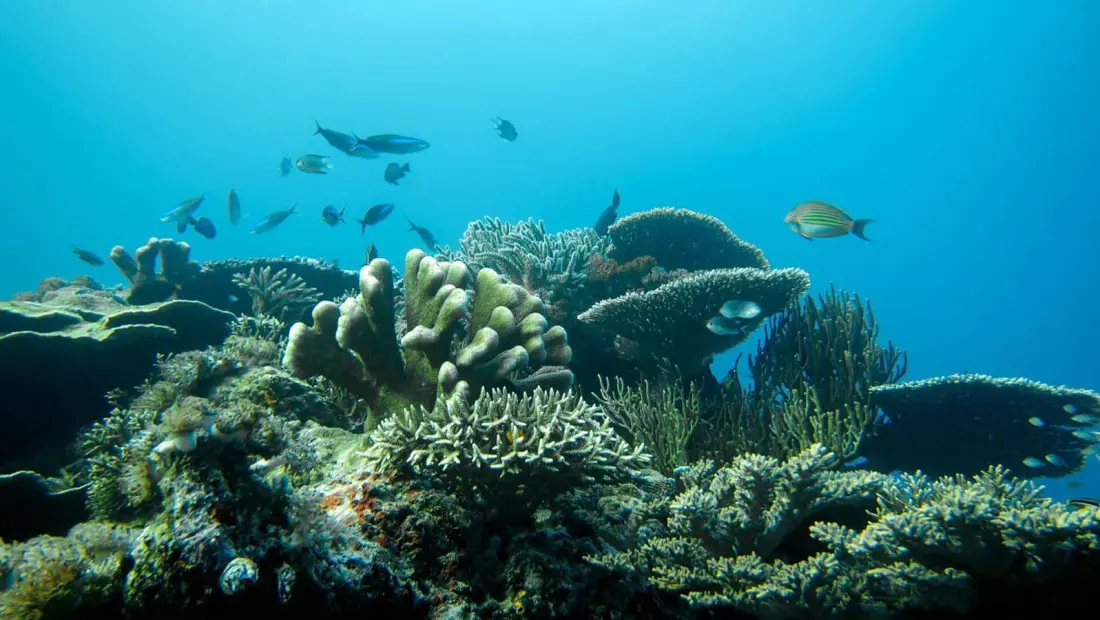
Off the Osa Peninsula in southern Costa Rica, researchers are photographing coral reefs with everyday phones and turning the shots into detailed 3D digital models. The nonprofit Raising Coral is leading the project in Golfo Dulce and around Caño Island Biological Reserve, working with Samsung, the conservation group SeaTrees and the Scripps Institution of Oceanography in California.
The technique, called underwater photogrammetry, involves taking hundreds of overlapping photos of the same reef section from different angles. Software at Scripps then stitches them into a three-dimensional reconstruction — essentially a digital twin of the reef. Instead of relying on what a diver can see during a short dive, scientists can study entire reef sections, spot damage and measure changes over time. The team uses Samsung Galaxy S26 Ultra phones with an underwater-focused Ocean Mode that improves colour accuracy below the surface.
Timing matters. The 2023–2024 El Niño brought unusually warm water that caused widespread bleaching around the Osa Peninsula, and researchers are watching closely for a repeat. Monitoring began in December 2025 roughly every four months; since July 2026 the team has surveyed monthly to catch El Niño-related changes early. Surveys around Caño Island have already fed a technical assessment for restoration work, with coral cover in the studied areas ranging from about 18% to 40%.
The mapping also helps answer the question every restoration project faces: is any of this actually working? Raising Coral has been restoring reefs since 2016, growing coral fragments in underwater nurseries and transplanting them onto damaged reefs — some attached to metal structures that keep them above the sediment. The current partnership aims to plant roughly 1,000 corals a year between 2026 and 2029, about 4,000 in total across Golfo Dulce and Caño Island. Comparing 3D models month by month lets researchers measure whether individual colonies survive, grow and attract marine life.
Beyond the science, the approach could make reef monitoring far cheaper. Detailed underwater mapping traditionally required expensive camera rigs and specialist training; smartphones put it within reach of small conservation groups. Local residents are being trained as coral gardeners through Raising Coral's community program, and similar smartphone-assisted projects are running in Fiji, the Galápagos and Indonesia.
For travellers, this is the ecosystem behind one of Costa Rica's best snorkelling and diving spots. Caño Island's reefs shelter abundant fish and give the island its reputation among divers, while Golfo Dulce's waters face added pressure from river sediment and land runoff. If you're planning a trip to the Osa region, knowing that scientists are actively monitoring and restoring these reefs adds context to what you'll see below the surface — and local conservation programs offer ways to get involved directly.