Costa Rica sells itself on biodiversity: cloud forests, toucans, sloths, the whole postcard. So it comes as a jolt to many visitors that the country ranks at or near the top globally for pesticide and herbicide use per unit of farmland. The contradiction is the subject of a candid piece in The Tico Times, written by a resident of San Isidro de El General in the country's southern zone.
The villain here isn't small-scale farming — it's industrial export agriculture. Vast banana and pineapple plantations, many run by multinationals like Del Monte, lean heavily on chemicals such as mancozeb, glyphosate and ethoprophos to protect yields. The writer recalls spending a year in a town in the heart of Del Monte pineapple country: a village ringed by what he describes as a desert of pineapples, where nearly everyone worked for the company on low pay, enduring long shifts in the sun and routine chemical exposure, with a free company clinic existing largely because the work demanded it.
He also draws an uncomfortable comparison with the mega-resorts spreading along Costa Rica's coasts. Both plantations and resorts bring jobs; both are usually owned by outside interests; both talk up their environmental credentials while felling trees, filling mangroves and handling waste loosely — sometimes, he suggests, with fines absorbed or eyes turned away.
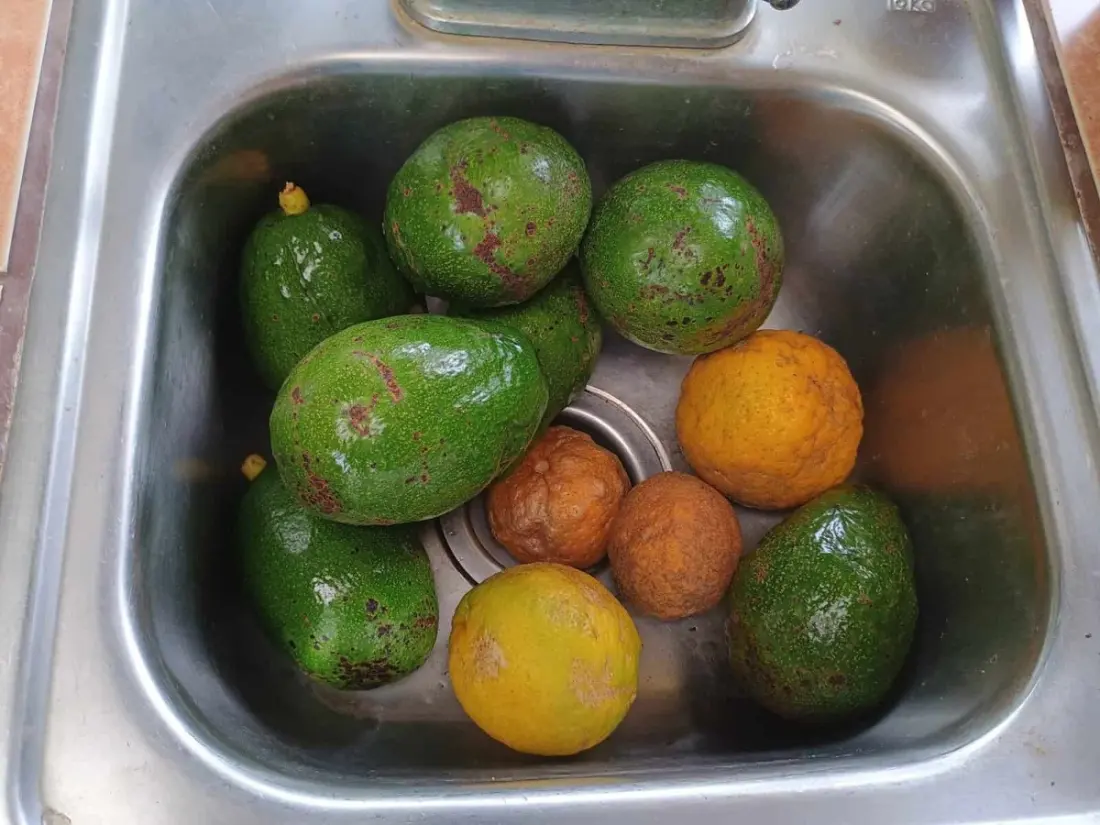
The counterpoint is the humble Costa Rican backyard. On his 700-square-metre lot a mile uphill from San Isidro's centre, the writer harvests avocados (hundreds of fruit in recent years), bananas, giant chayotes from a single vine, lemons, pineapples, mint and oregano — all without lab-derived chemicals. The land is so fertile, he argues, that seeds practically plant themselves, and most home gardens across the country use minimal or no chemicals even when they're not formally organic.
Why should travellers care? Because what you eat and where you stay in Costa Rica is shaped by this tension. The pineapples and bananas shipped to supermarkets worldwide come at an environmental and human cost that the eco-brochure doesn't mention, and some of the country's newest beach resorts have similar gaps between marketing and practice. Choosing smaller, locally owned lodges, shopping at ferias (farmers' markets), or simply eating at sodas serving food grown nearby all nudge your money toward the version of Costa Rica the country's reputation is built on. And if you rent a house or villa, you may find the garden outside your door is quietly producing your breakfast — a small, delicious lesson in what this land can do without the chemicals.