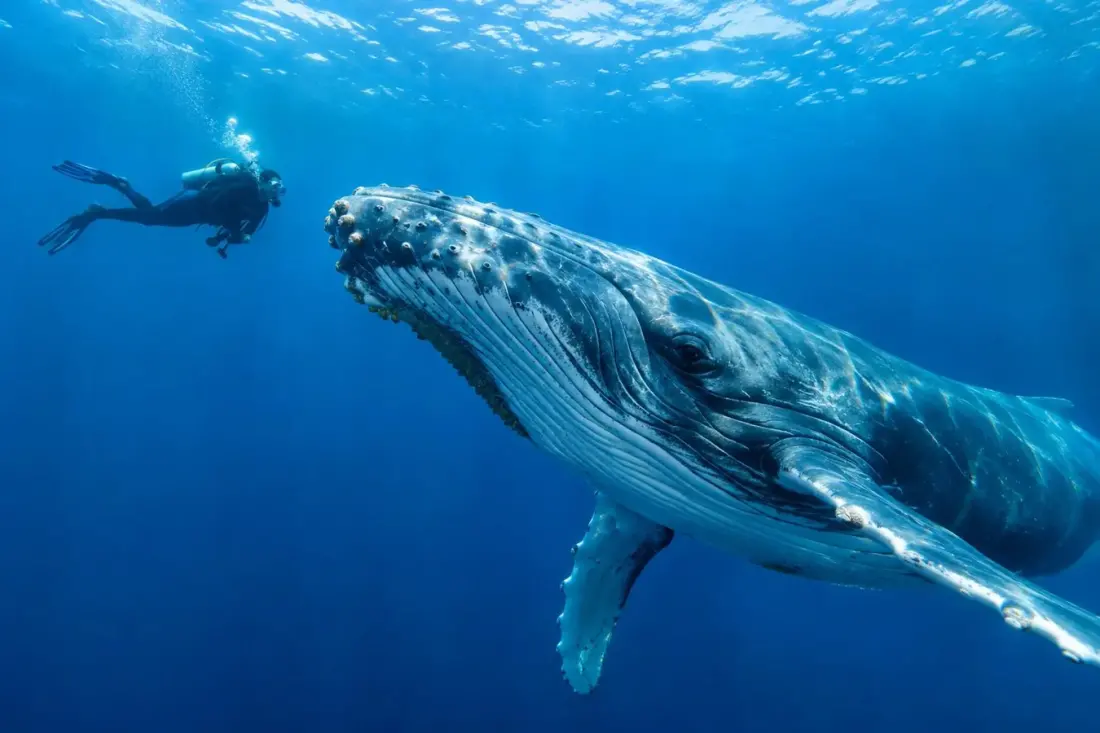
Costa Rica has two coastlines and two very different underwater moods. The Pacific side is the one most divers come for: energetic water, quick-changing visibility and a genuine shot at big animals — mantas, turtles, white-tipped reef sharks and, on the right day, a humpback whale breaching next to the boat. The Caribbean coast is quieter, with coral gardens around Cahuita and a slower, Afro-Caribbean rhythm on land, though visibility there is at the mercy of rain and river runoff.
Most trips start in Guanacaste on the northern Pacific, where Playas del Coco, Ocotal, Flamingo and Tamarindo have established dive shops, easy boat launches and accommodation for every budget. It suits first-timers and families mixing diving with beaches and rainforest. The Catalina Islands nearby are the draw for rays, including giant mantas seasonally. One catch: from December to April, the dry-season Papagayo winds churn up nutrient-rich water — great for marine life, rougher on stomachs and visibility. If you get seasick, say so before you board.
Experienced divers head further north to the Bat Islands (Islas Murciélago), where currents, surge and deeper sites come with the chance of seasonal bull sharks. Good operators here will quiz you on certification, recent dives and comfort in current — take that as a good sign, not an insult. On the opposite coast, Caño Island Biological Reserve off the Osa Peninsula delivers clear-water volcanic reefs, turtles, rays and schooling fish, plus dolphins or whales in transit. It pairs perfectly with Osa's rainforest, but build slack into your itinerary for weather delays.
Then there's Cocos Island: a remote UNESCO site famous for schooling hammerheads and demanding open-ocean diving that requires a multi-day liveaboard and a serious budget. It's a bucket-list expedition, not an add-on. With a week or less, Guanacaste or Caño will give you more joy per day.
A few planning notes worth taking seriously. Be honest about your logbook — an Open Water card from years ago may warrant a refresher before current-prone sites. Vet operators on group size, oxygen on board, equipment maintenance and whether they'll reroute based on conditions rather than force a promised itinerary. Pack reef-safe sunscreen, secure camera straps and a windbreaker for boat rides. And underwater, treat it as a privilege: no chasing, touching or feeding. Costa Rica's marine protections depend on visitors and local operators who spend and dive responsibly.
Why it matters: few countries let you surface from a two-tank morning and be eating grilled fish under howler monkeys by dusk. Diving here folds naturally into a bigger Costa Rica trip — you just have to let the ocean, not your checklist, set the schedule.