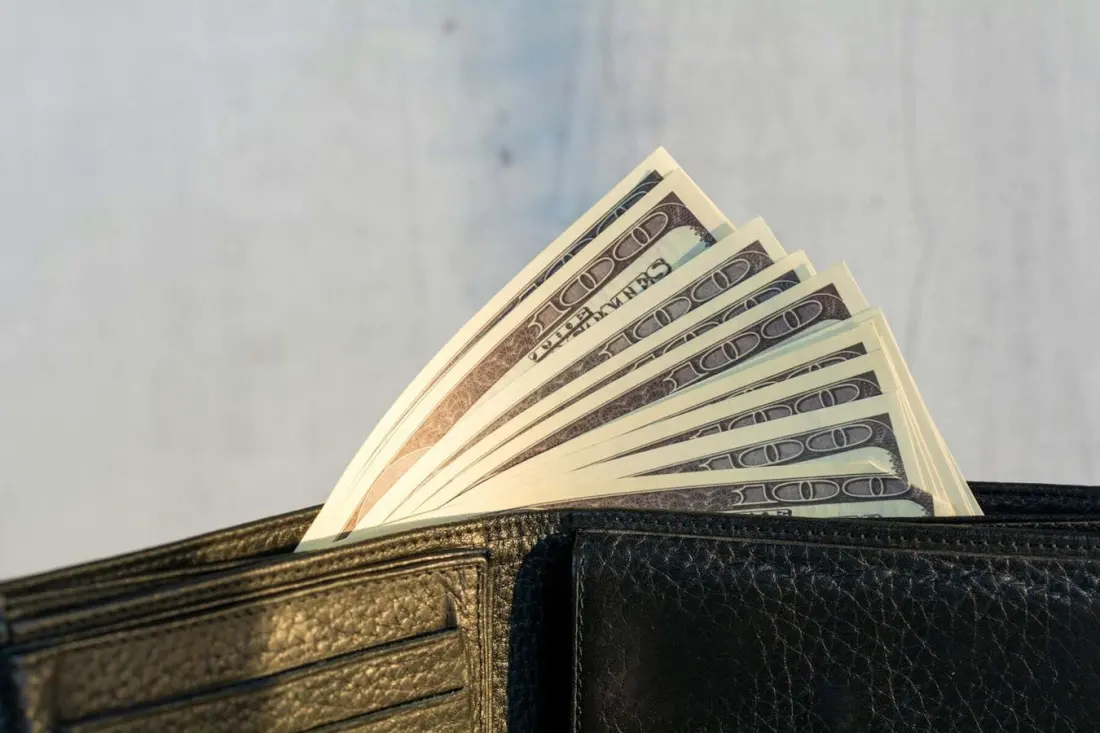
If you're heading to Costa Rica with dollars, your money goes further in some ways than you might expect — but for locals and businesses earning in dollars, 2026 has been a year of steady erosion. The US dollar has fallen roughly 9.4% against the colón since January, and that shift is now rippling through everything from hotel pricing to medical tourism.
The numbers tell the story. On Monex, the Central Bank's wholesale currency market, the average rate closed at 450.26 colones per dollar on Thursday, November 5 — down from 453.81 on October 26 and the lowest daily average in recent weeks. Back on January 2, the same market averaged 497.07. In real terms, $1,000 converted at the start of the year would have fetched 497,070 colones; at Thursday's rate it brings 450,260 — about 46,810 colones less, or roughly $104 at current rates.
The dollar first dipped below 450 colones back on July 17, a level the market had never seen since Monex opened in 2006. The Central Bank has called the country's dollar surplus extraordinary and has stepped in to buy dollars to slow the slide. The underlying cause is an unusually abundant supply of greenbacks — a notable turnaround two decades after Costa Rica scrapped its scheduled devaluations.
There are winners and losers. Exporters, tourism operators and retirees receiving foreign pensions are taking home less in colón terms, and sectors like medical tourism have already reported revenue squeezes. On the flip side, households earning colones but paying dollar-denominated rent or loans are getting relief. For visitors, the practical effect depends on how you pay: many hotels, tours and restaurants price in dollars, so quoted prices haven't dropped — but if you're charged in colones, or you're negotiating locally in cash, a weaker dollar means slightly less purchasing power than a year ago.
One thing worth understanding before you go: the rate you see in headlines isn't the rate you'll get. Monex is a wholesale market where banks trade with each other. Bank windows and exchange houses set their own buy and sell prices around the Central Bank's daily reference rate, which on November 6 stood at 453.34 to sell dollars and 448.27 to buy. Expect a small spread wherever you exchange.
For travellers, this is mostly context rather than a deal-breaker — Costa Rica remains a premium destination where costs are driven more by lodging and tour pricing than currency swings. But if you're budgeting a longer stay, working remotely from the country, or receiving income in dollars while spending locally, it's worth tracking the reference rate as you plan. Cards that settle at close-to-market rates will typically beat airport exchange counters, and paying in colones rather than dollars at point of sale usually gets you a fairer conversion.