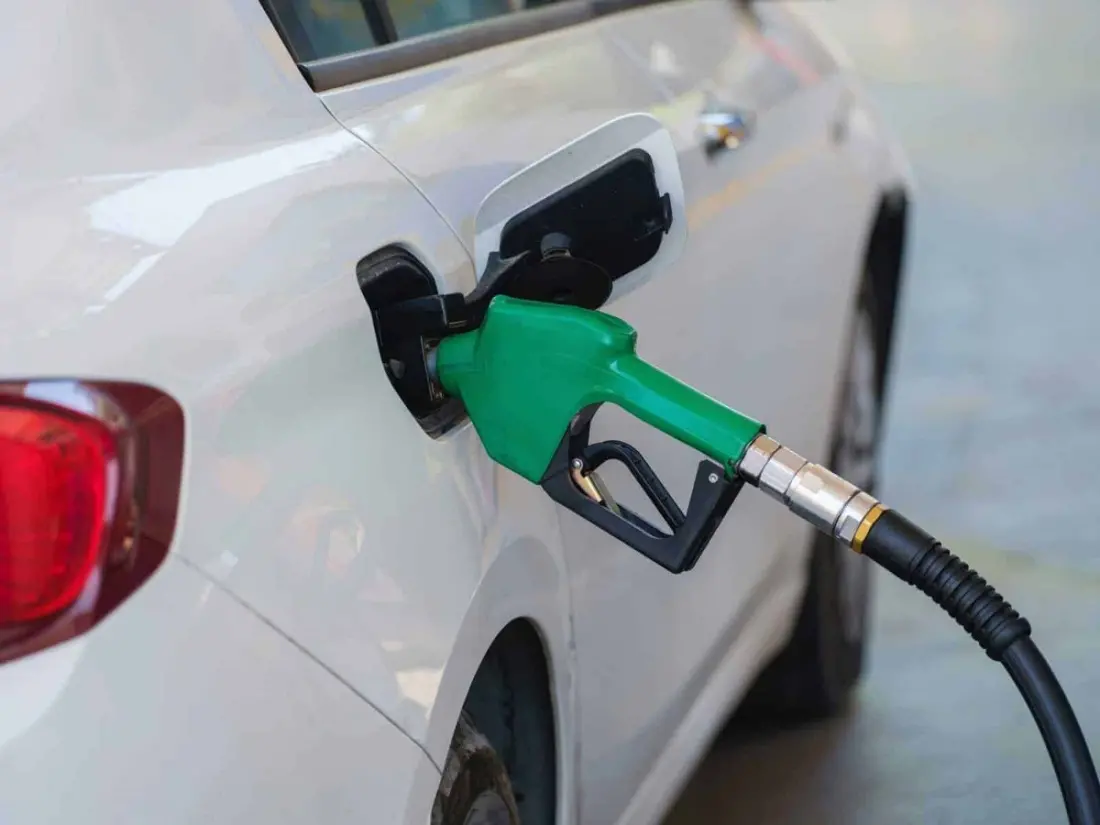
Costa Rica's pump prices are heading up again — and there's a quirky twist for anyone renting a car there. The country's regulator, ARESEP, has approved a 12.38% rise in regular gasoline that pushes it above premium at the forecourt, reversing the usual order of things.
From the date the ruling lands in the official gazette, La Gaceta (plus one day), regular gasoline climbs ₡89 to ₡808 per litre, while premium rises just ₡42 to ₡806 — leaving regular ₡2 per litre dearer than the supposedly fancy stuff. Diesel also lands at ₡808 after a ₡23 bump. The exact start date hadn't been confirmed at the time of reporting, so there's a small window to fill up at the old rates.
In practical terms, filling a 40-litre tank with regular will cost about ₡32,320 (roughly $71), up from around $64 — an extra $8 per fill. A 60-litre tank adds about ₡5,340 to the bill. It's the second increase in October, arriving just ahead of the busy end-of-year holiday season.
The story isn't only about cars. A standard 25-pound propane cylinder for cooking rises ₡549 to ₡7,721, a change ARESEP says affects about 53% of Costa Rican households, plus restaurants and small food businesses.
Why the hikes? Costa Rica imports every drop of its finished fuel, so domestic prices are acutely sensitive to global supply, shipping costs and the colón-dollar exchange rate. The regulator cited Middle East shipping disruptions, falling inventories, higher refining and transport costs, and a weaker colón (an average ₡456.66 per dollar was used, versus ₡450.41 last time). The numbers are based on RECOPE, the state refinery's, purchases between 11 September and 8 October.
For travellers, the direct hit is modest: fuel prices are regulated, so rental cars pay the same as locals. But shuttle fares, tour prices and rental rates could creep up as operators absorb higher costs across long routes — think the drive from Juan Santamaría airport near San José out to La Fortuna, Manuel Antonio, Tamarindo or the southern Pacific coast. Roughly two million vehicles are covered by the ruling, including the buses and shuttles visitors rely on.
One genuinely useful tip buried in the announcement: once the new rates kick in, premium will technically be the cheaper gasoline. Unless your rental is specifically a premium-fuel vehicle, though, the saving is negligible — stick to whatever the manufacturer specifies and don't overthink it. The main takeaway is simply that getting around Costa Rica is getting a bit pricier this high season, so budget a few extra dollars per tank if you're driving.