Croatia is about to get much stricter about who can legally rent apartments to tourists. A new Hospitality Activity Act, currently at its second reading in Parliament, targets an estimated 60,000 apartments in residential buildings that are let to holidaymakers, and it brings surveillance powers that would have sounded heavy-handed a few years ago.
Tourism and Sport Minister Tonči Glavina frames the law around three goals: stamping out unregistered rentals, moving all tourism paperwork online, and raising the overall quality of short-term accommodation. The key mechanism is a EU-aligned digital registration number. From now on, listings without one should not appear on booking platforms at all — and the platforms themselves face what Glavina calls "draconian" fines if they ignore that rule. Since most tourist bookings flow through those platforms, enforcement there could do most of the heavy lifting.
The oversight net is widening too. Beyond the State Inspectorate, the Customs Administration, plus cities and municipalities via their wardens, will get supervisory powers, and fine revenue will flow straight into local and regional budgets — a clear incentive to actually enforce. The Inspectorate can also carry out covert monitoring of classified ads and social media groups where unregistered rentals are commonly offered.
The context matters. Between 2016 and roughly a year and a half ago, Croatia was adding about 25,000 new tourist beds in short-term accommodation every year, and the minister admitted no one has kept proper records of what kind of buildings these apartments sit in — something the new digital system will fix. The rapid growth also squeezed the housing stock, a problem Glavina notes other EU countries are grappling with as well. In the past two years, bed numbers have levelled off and even dipped slightly, with some units shifting back into long-term housing.
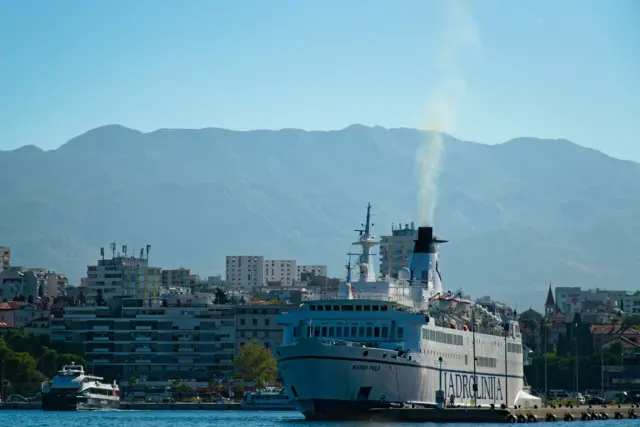
For travellers, the practical effect should be positive: what you book will be registered, inspected and easier to hold accountable if something goes wrong. The flip side is that some casual hosts — a friend-of-a-friend apartment in Split, a last-minute find on a Facebook group — may disappear, especially in peak season along the coast. Book through established platforms and licensed operators, and you'll notice little except, hopefully, better-maintained places. Landlords running family accommodation, which the minister stressed remains very important to Croatian tourism, are being given some accommodation in the law itself.
If you're heading to Croatia in summer 2027 or beyond, expect slightly fewer apartment options but a cleaner, more legitimate market — and don't be surprised if hosts ask for extra registration details at check-in.