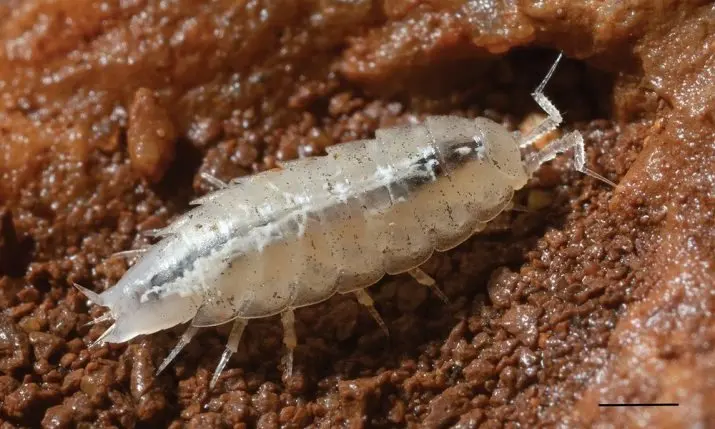
Two animal species have turned up in a cave in the Predolac area near Metković in southern Croatia — not brand-new to science, but never before documented in that particular underground world. Speleologists working in hard-to-reach sections of the cave found Herold's Illyrian woodlouse, a subterranean crustacean, and a spider from the Stalagtia group.
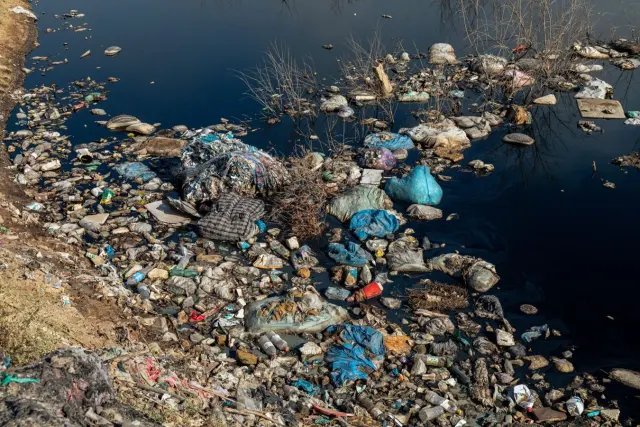
The work was carried out by the Baptini association together with the Estavela Speleological Association and the Croatian Biospeleological Society from Zagreb, combining exploration with cleaning of the cave's less accessible parts. So far more than 20 animal species have been observed during the research, and biologists are still analysing samples. Markica Vuica, president of Baptini, told Jutarnji list that at least one more species may prove to be a first record for the site, pending expert confirmation.
The cave sits in the Neretva region, a part of Croatia better known for its delta wetlands, mandarin groves and birdlife than for what lies beneath. That's exactly what makes the find interesting: Croatia's karst terrain is riddled with caves, and many of their ecosystems remain poorly documented. Each survey adds a piece to the picture of what lives in the dark — creatures that have evolved in isolation over millennia and exist nowhere else in the immediate area.
For travellers, Metković itself is a modest river town on the Neretva, a couple of hours from both Split and Dubrovnik, and it makes a genuinely off-the-beaten-path stop. The area draws nature lovers for its ornithological reserve and boat trips through the delta channels. The cave research is still scientific work in progress rather than a tourist attraction, but it signals a place where local passion for the underground is growing — and where future access or guided visits could well follow if funding and careful management allow.
The researchers also made a point that matters beyond biology: further discoveries depend on money for research and responsible handling of the natural environment. Croatia's subterranean habitats are fragile, and unregulated caving can damage formations and disturb species that took thousands of years to establish. Anyone tempted to explore caves in the region should go with experienced local guides rather than attempting independent trips.
So why should a holidaymaker care? Because stories like this are a reminder that Croatia is far more than beaches and city walls. The Dalmatian hinterland hides a whole second world underground, and places like Metković offer a quieter, more curious kind of trip — one where you can paddle the Neretva, eat fresh river fish, and know that scientists are only just beginning to catalogue what lies below your feet. If the researchers' hopes pan out, there may be more species still waiting in the Predolac cave, and that sense of ongoing discovery is part of the appeal of visiting a region most tourists drive straight past.
Story first reported by Croatia Week.