A dispute over landfill capacity in Croatia has escalated into what local campaigners are calling a genuine waste crisis, and the areas affected include some of the country's most popular coastal destinations.
The Zagreb-based association Ekologija grada (City Ecology) has warned that several landfills have limited or outright refused to accept waste from other municipalities, a reaction they link to a string of scandals involving illegally dumped waste. Among the sites curtailing intake are Karepovac, Lovornik near Ploče, Doline near Bjelovar, Diklo and Sodol. The upshot: towns without their own disposal options are scrambling for alternatives.
The squeeze is being felt hardest along the Adriatic. Makarska and the municipalities of the Makarska Riviera, Omiš, Kaštela, Dugi Rat, Zadvarje and Šestanovac have all had to hunt for alternative landfills, negotiate temporary deals or truck their waste to counties far away. Inland, Varaždin, Samobor, Jastrebarsko, Josipdol and Plaški face similar headaches, while Otočac redirected its waste to the Babina Gora Waste Management Centre after its Podum landfill shut.
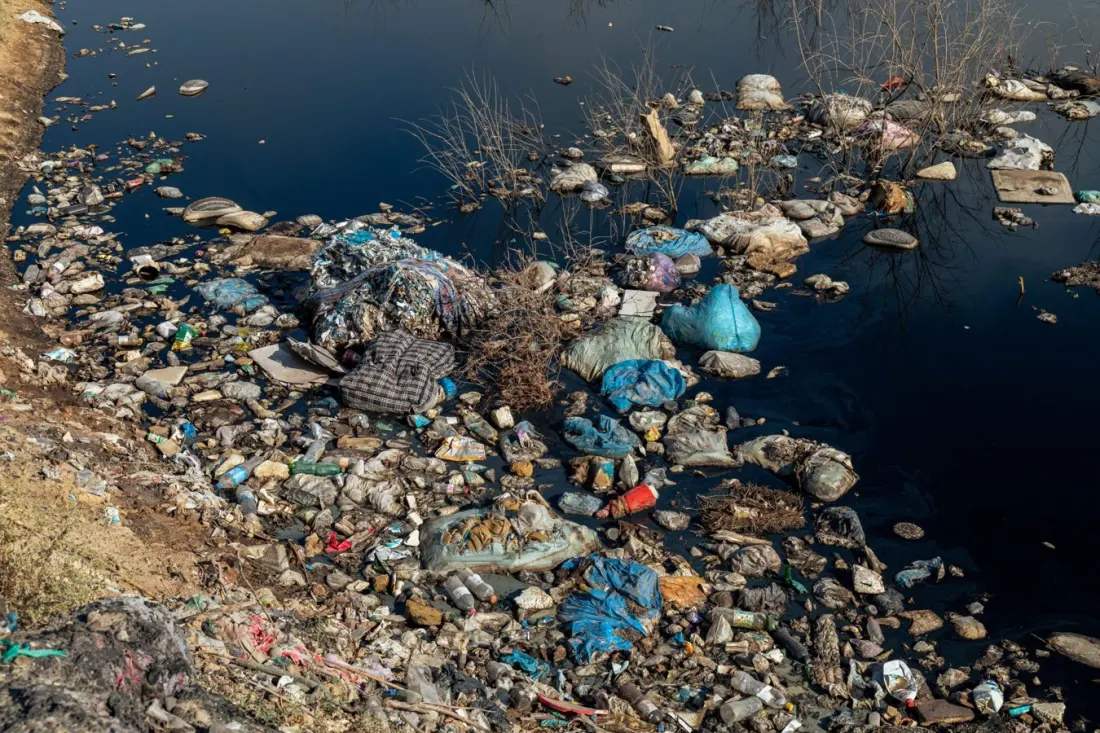
Ekologija grada's warning goes beyond overflowing bins. They point out that industrial waste is caught up in the same squeeze, and that if authorised companies run out of disposal space, the waste has nowhere to go but the streets, forests and riverbanks — or overcrowded warehouses where fire risk climbs. As association president Josip Pavlović put it, every week spent with ministries, counties and cities pointing fingers is a week closer to waste piling up in public spaces.
The group is pressing the Ministry and the Environmental Protection and Energy Efficiency Fund for a binding rule obliging landfills to accept municipal waste from towns left without capacity, an urgent plan for industrial and hazardous waste, and a review of landfill contracts — including clawing back public funds from sites that took money but refuse intake. They also want public disclosure of which landfills have spare capacity and how much.
Why should holidaymakers care? Croatia drew record visitor numbers in recent years, and places like Makarska, Omiš and Kaštela sit squarely on the tourist map. A breakdown in waste collection during or after the summer season would be unhygienic, unsightly and damaging to the image of destinations that trade on clean coastline and forested hinterland. For now, no collection interruptions have been confirmed, but the standoff is unresolved, so travellers heading to Dalmatia in the coming months may notice fuller bins or roadside dumping in affected municipalities — worth factoring in, and worth reporting locally if you see it.
There's also a broader point for anyone who cares about the places they visit: Croatia's waste management struggles are not new, but this round shows how quickly local disputes can ripple out to the coastal towns that depend on tourism. Whether the Fund and Ministry act on the association's demands will determine whether the problem stays behind the scenes or ends up, quite literally, in view.