Croatia was days away from rolling out new price transparency rules when the Government pulled the plug. On 28 September, Economy Minister Ante Šušnjar announced that measures requiring businesses to display reference, or "anchor", prices — originally set to take effect on 1 October 2026 — would be postponed and the decisions already published in the Official Gazette withdrawn.
The plan had been to make shops and service providers show a current price alongside a reference price, so shoppers could instantly see how much something had gone up or down. Businesses would also have had to publish price lists online and keep them regularly updated, with the rules covering a much wider range of retailers and consumer services than the previous system.
That breadth turned out to be the problem. Tradespeople, entrepreneurs and retailers pushed back hard in the run-up to the deadline, complaining about the administrative workload, the cost of changing their systems, and the practical mess of applying fixed reference prices to services where quotes naturally vary. Šušnjar, who says he spent nearly two decades as an entrepreneur before entering politics, acknowledged the criticism, saying that if a solution has been set too broadly or without enough time to implement it, correcting it is the responsible move.
The U-turn is a delay rather than a scrap. A revised framework is now being prepared to enter into force in November 2026, covering base prices and online price list publication. The minister promised reasonable exemptions for businesses where the rules make little sense, and the removal of administrative requirements that do not genuinely help consumers. He also plans to sit down with business and employers' associations to hammer out the details before then. The stated goal — making it easier for consumers to compare prices and understand price movements — stays the same.
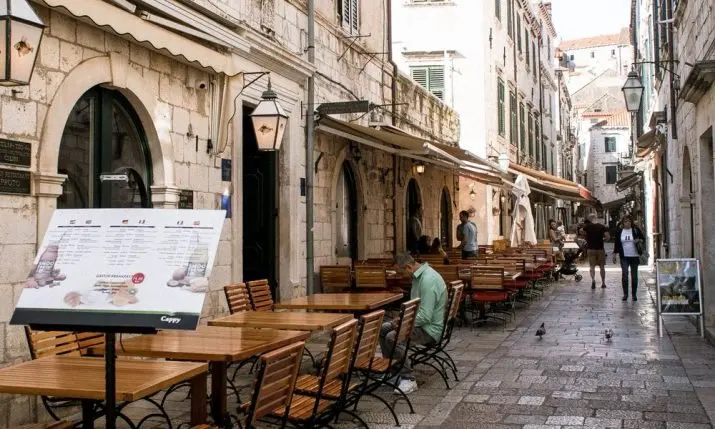
For anyone travelling to Croatia, the takeaway is simple: for now, nothing changes. Prices in shops, restaurants, cafés and hotels will look exactly as they did before, with no extra reference prices on menus or shelves. If the November rules land as planned, they should eventually make it a bit easier to spot price trends, but the exact requirements and exemptions are still being worked out. Croatia uses the euro, so comparing prices with the rest of the eurozone is already straightforward — the anchor price scheme was always a layer on top of that, aimed at keeping inflation-driven hikes visible rather than changing what is charged.