Spain is in full campaign mode. The 15-day race for a new Congress of Deputies and Senate opened at midnight on Friday 13 November, with rallies across the country the evening before, and the vote itself lands on Sunday 29 November.
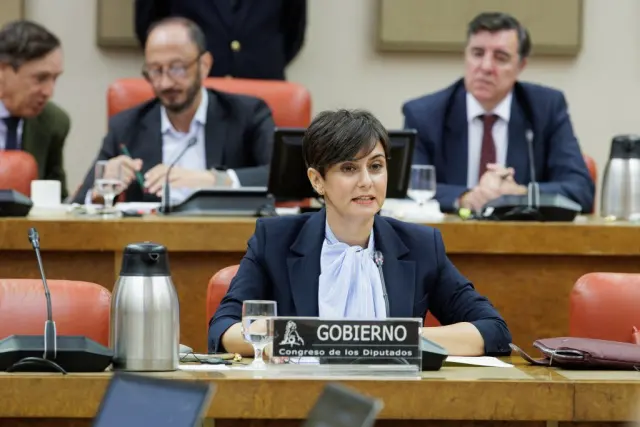
Prime Minister Pedro Sánchez launched his Socialist re-election bid in Seville, calling for an 'epic comeback' and positioning himself against austerity and against Trump's 5%-of-GDP defence-spending demand. His wife Begoña Gómez appeared at a rally for the first time while her influence-peddling trial looms. The People's Party's Alberto Núñez Feijóo chose Badalona near Barcelona to pitch a change of government, promising an 'audit of the looting' and a harder line on immigration and territorial integrity. Far-right Vox leader Santiago Abascal rallied in Huesca, where hundreds protested outside, framing the vote as 'the election of our lives' with immigration controls at the core of his message.
The campaign opened against a feisty backdrop: Thursday saw Spain's first general strike in 14 years, driven by demands for affordable housing and higher wages. Housing dominated the launch events — Sánchez defended a fresh rental decree approved by Congress, while former Barcelona mayor Ada Colau, now leading the Frente Amplio coalition, launched in Madrid's Vallecas district demanding tougher rent regulation. Regional parties also staked their claims: ERC and Junts traded barbs in Catalonia, EH Bildu and the PNV launched in Vitoria-Gasteiz, and parties from the Canaries to the Balearics pushed island-specific agendas, including a call from Ara Més to tackle overtourism and property speculation in the Balearics.
So what does this mean if you're travelling? Polls suggest a close race, and a hung parliament is a realistic outcome, which could mean weeks of post-election negotiation. Short trips in late November and early December should be largely unaffected, though it's worth knowing that rallies and counter-protests have drawn crowds in city centres — Vox events in particular attracted demonstrations in Huesca and A Coruña. The general strike shows public feeling on housing and wages runs high; further strike days aren't out of the question during coalition talks, so check transport schedules if you're moving between cities in December.
Housing is the political theme that touches travellers most directly. Rent regulation, eviction protections and tourist-flat crackdowns are all live issues, and whoever governs will shape how many short-term rentals stay on the market in Barcelona, Madrid and Palma. If you rent holiday flats regularly in Spain, expect the rules around them to keep shifting into 2027.
For now, the practical picture is calm: shops, trains and restaurants operate normally outside strike days, and tourists aren't targets of the unrest. Keep an eye on local news for rally dates in your destination city, plan buffer time around major demonstrations, and if you're visiting Barcelona or Palma, remember overtourism is now a frontline political issue — being a considerate visitor has never been more relevant.