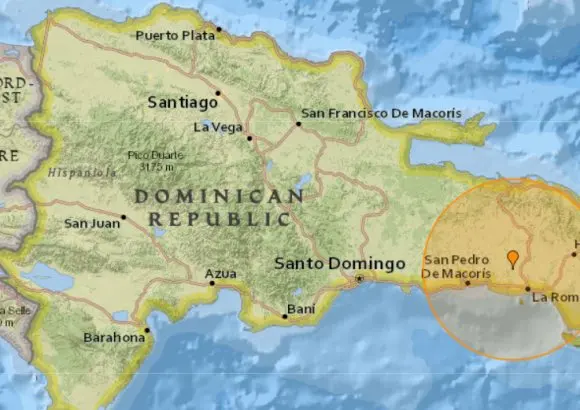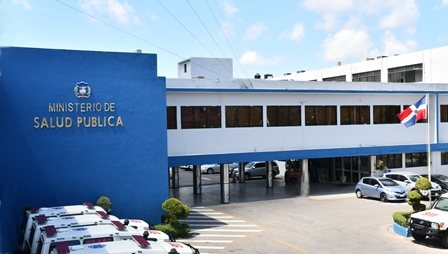
A holiday to the Dominican Republic comes with fewer health worries this year. The country's Ministry of Health reports that malaria incidence has fallen 83% compared with the same period in 2025, dropping from 9.60 cases per 100,000 inhabitants to just 1.67.
The numbers behind the headline are modest in absolute terms but telling. During epidemiological week 43, only five new cases were confirmed, taking the 2026 total to 152 cases nationwide, according to the Directorate of Epidemiology (DIEPI). For a country that welcomed millions of visitors in that span, the risk to a typical tourist spending a week at a Punta Cana resort or exploring Santo Domingo is very low.
Health authorities credit the improvement to a focused strategy rather than luck. Teams have concentrated on the communities where cases actually appear: screening people with fevers so treatment starts early and is supervised, fumigating properties, applying larvicide, and clearing the standing water where the Anopheles mosquito breeds. Community education campaigns are also pushing the basics — mosquito nets and repellent — which remain the most effective personal protection anywhere malaria circulates.
There was encouraging news on another front too. No new cases of leptospirosis, a bacterial infection linked to contaminated water and flooding, were recorded that week, leaving the cumulative total at 305 for the period, an incidence of 3.34 per 100,000.
Why does this matter if you're planning a Caribbean trip? Malaria risk has historically been one of the small asterisks attached to the Dominican Republic, particularly around lowland and border areas, even though the main tourist corridors have long been considered low-risk. A decline of this scale signals that the country is actively managing the problem rather than letting it drift — something worth knowing when weighing it against other island destinations. Standard precautions still apply: use repellent in the evenings, and if you're travelling into rural border regions, it's sensible to check current health guidance before you go. But for most itineraries, this is one less thing to think about.